No wonder, because this is exactly where Japan’s food art, character culture, and family love all meet in one neat little box.



Monchhichi bento: when obento becomes character art
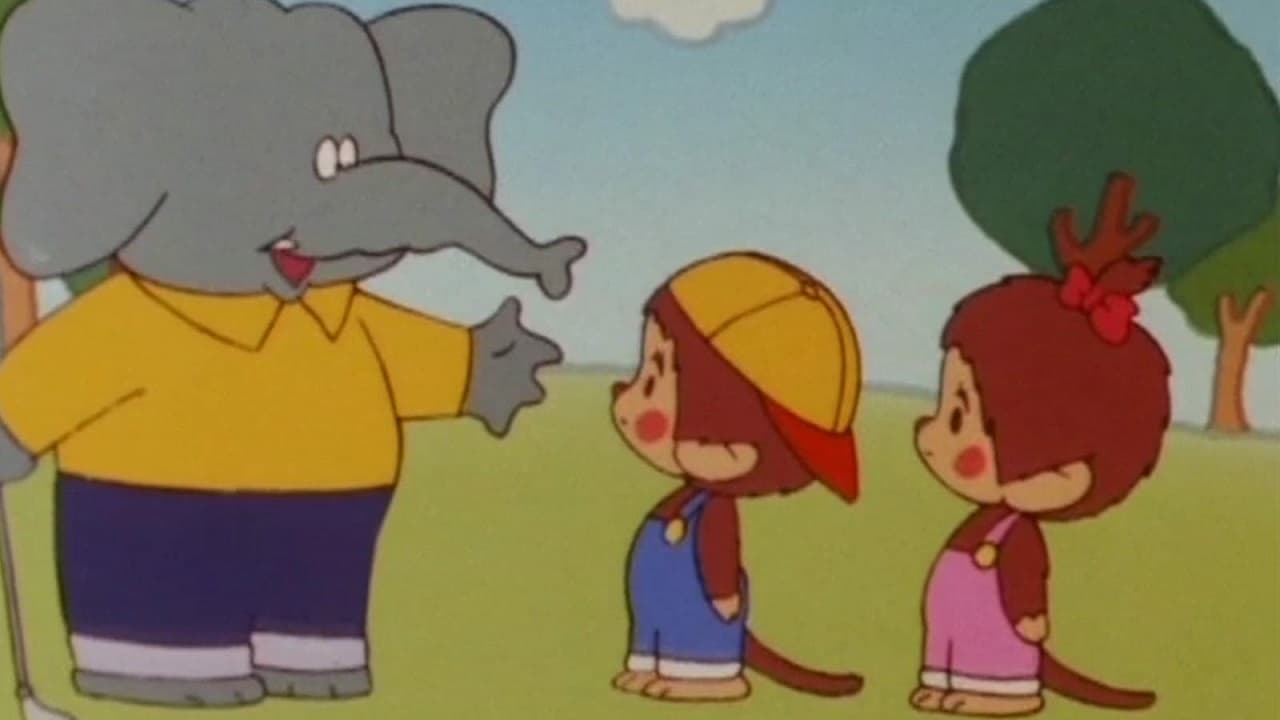
Monchhichi 弁当 (bento, lunchbox meal) is a perfect example of how far Japanese お弁当 (obento, lunchbox meal; packed lunch) culture can go. A lunchbox is no longer just lunch; it becomes a mini stage for design, affection, and a bit of nerd pride. This time, the star is Monchhichi, the furry-faced character created by Sekiguchi in 1974, and the appeal is obvious even before you take the first bite.
The first time I went to Japan, I expected cute packaging everywhere, but the level of craft in homemade bento still surprised me. A rice ball can become a face, a sausage can become a hand, and seaweed can turn into a smile. If you want to understand Japanese pop culture from the inside, start with lunch.
Bento food art and the Monchhichi motif
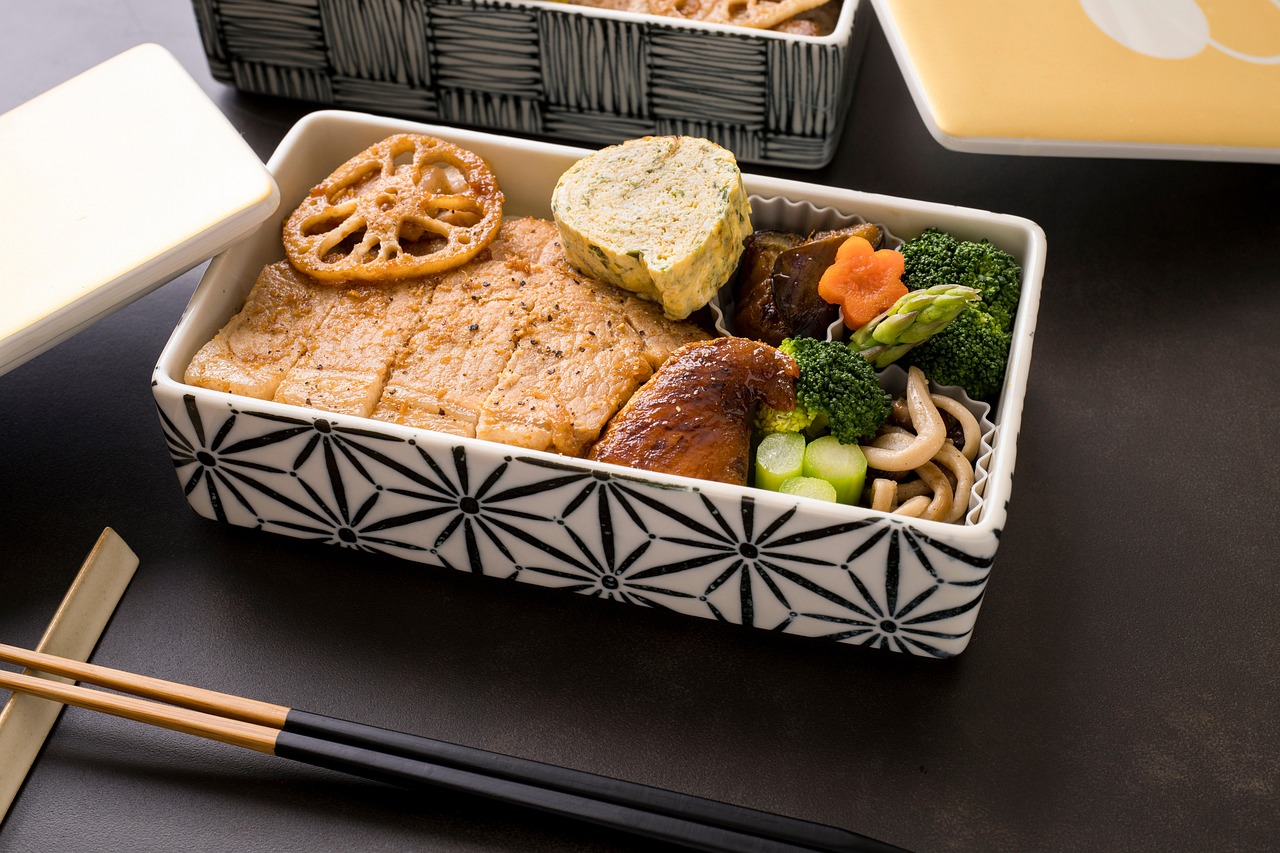
What makes this Monchhichi bento stand out is the way the character is built from everyday food. Rice usually forms the base, 海苔 (nori, edible seaweed) adds the dark details, and colourful side dishes fill out the frame. Carrot slices, 卵焼き (tamagoyaki, Japanese rolled omelette), and leafy greens do more than balance the meal; they shape the picture, too.
Take Monchhichi, for instance: the look is simple but very specific. Round eyes, a soft face, and that instantly recognisable childlike expression make it a great fit for obento art. Unlike what we're used to in many Western lunchboxes, here the food isn't arranged only for convenience; it's arranged to tell a story. Sounds odd, but it's true.
Why Monchhichi works so well in bento form
Monchhichi has been popular for decades, and that matters. The character has a strong retro charm, but it still feels fresh because fans keep reusing it in new ways. A bento version lets the mother in this story show both skill and affection, and the nostalgia factor lands immediately for anyone who grew up seeing Monchhichi dolls, stationery, or keychains.
What many overlook: character food art in Japan isn't only about looking cute for social media. It can also be a family language. A parent makes a lunchbox that says, “I know what you love,” and that message is often stronger than the decoration itself. Convinced yet?
A mother-made lunchbox with a strong family and nerd factor
The most charming part of this story is that the Monchhichi bento was made by a mother for her daughter. That detail changes everything. This isn't a chef's competition piece or a commercial display; it's a homemade lunch packed with personal meaning. The family connection gives it warmth, and the character choice gives it a playful nerd edge.
To be fair, Japan has a long history of mothers shaping school lunches around their children's preferences, schedules, and moods. Obento culture often carries quiet pressure, yes, but it also carries care. A thoughtfully made lunch can become a daily message of support, especially when a child is a fan of a certain anime, game, or classic mascot.
And it gets better: when a parent chooses a retro icon like Monchhichi, the lunchbox becomes a bridge between generations. The mother remembers one era, the daughter enjoys another, and the bento sits right in the middle. That's the kind of small domestic detail that says a lot about Japanese pop culture, not just what people buy, but how they share it at home. See what I mean?
Japanese learning connections: words, culture, and obento habits
For Japanese learners, this story is a nice vocabulary booster. The word obento means lunchbox meal, while キャラクター (kyarakuta), from the English word character, often appears in pop culture discussions. If you hear someone say キャラ弁 (kyaraben), they're talking about character bento, meals shaped to look like characters, animals, or symbols. That one word opens a whole world of daily Japanese creativity.
What most people don't know: Japanese school lunches and homemade lunches often reflect seasons, celebrations, and personal taste. A spring bento may feature sakura colours, while a child’s lunch can be packed with a favourite mascot from Sanrio, Nintendo, or an old-school toy brand like Sekiguchi. My tip: when learning Japanese, pay attention to how food words and character names appear together, because that's where a lot of real-life language lives. Convinced yet?
There's also a cultural lesson hidden in the presentation. In Japan, neatness matters, balance matters, and visual harmony matters. A lunchbox can feel like a tiny gallery, but it still has to be edible. That's the trick, and it's why bento art gets so much respect from fans and learners alike. Not bad, right?
Why this Monchhichi bento resonates online
Stories like this travel fast because they hit several sweet spots at once. They're cute, practical, personal, and deeply Japanese without needing any explanation. A classic character, a homemade lunch, and a parent-child bond, that's a strong combination, especially for people who love both Japan and character goods.
For readers of jpnerd.com, this is the sort of post that shows how Japanese culture often works best at street level, not just in big franchises or tourist spots. A lunchbox can carry memory, fandom, and skill, all before noon. And when it stars Monchhichi, it also carries a nice burst of retro joy. If you're interested, keep an eye on everyday Japan, because that's where the good stories hide.
Frequently Asked Questions
What is character bento?
It is a lunchbox meal arranged to look like a character, animal, or themed design.
Why is Monchhichi such a good bento motif?
Its simple face and soft, nostalgic look make it easy to recreate with rice, nori, and side dishes.
Is bento art common in Japan?
Yes, especially in homemade lunches, where presentation and personal meaning often matter a lot.