
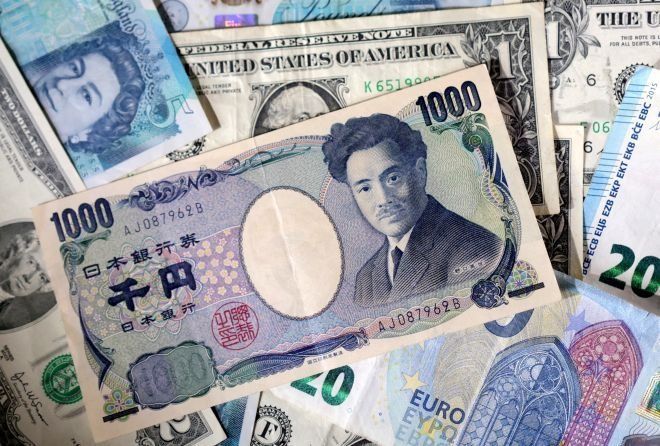
The Ministry of Finance stepped in with yen-buying intervention, and the pressure was especially clear when the currency pushed past 160 per dollar during Golden Week. Sounds weird, but it's true.



Japan spent $73 billion on yen intervention, and that number matters
How much money did Japan really put on the line? The answer is $73 billion, or 11.5 trillion yen, according to figures tied to the country's yen-buying intervention. That isn't a symbolic gesture; it's a huge move, and it shows how nervous officials were about the speed of the yen's fall.
The Ministry of Finance doesn't shout about these operations while they happen. That makes the final tally even more interesting, because the market can feel the impact first and only later see the size of the fire hose that was used. For Japan watchers, this is the kind of number that tells a story all by itself. My verdict:
Yen-buying intervention and the 160-yen line
Why did Japan step in? Because the yen had weakened to levels that started to sting, especially around imports, energy, and travel costs. During Golden Week, the currency moved past 160 per dollar, a level that hit headlines across Japan and abroad.
That 160 line was more than a chart marker. For households in Tokyo, Osaka, and Fukuoka, it meant a more expensive trip to the supermarket and a pricier summer holiday abroad. For visitors, it meant Japan stayed attractive, but the exchange rate was no longer the bargain it had been just a year or two earlier. Convinced yet?
What the market saw
Fun fact: currency traders often treat round numbers like 150 or 160 as psychological barriers. Once those levels break, the next move can feel even faster, because everyone starts watching the same line at once. Japan's intervention was designed to slow that momentum, or at least remind traders that the government still had teeth.

That reminds me: the yen has always been a big part of Japan's economic mood, not just a finance story. When the yen weakens, export-heavy companies may cheer, but consumers often feel the pinch much faster. But let's stick with the market mechanics for now. My verdict:
What yen intervention means for Japan fans and learners
If you follow Japan for travel, food, or language study, this story is worth paying attention to. A weaker yen can make a trip to Japan cheaper for many foreign visitors, but it can also push up the cost of things Japan imports, from fuel to wheat to some ingredients used in everyday cooking.



Here's the thing: that balance between cheap travel and expensive living costs is part of modern Japan's economic reality. It also gives you useful vocabulary if you're learning Japanese. Words like 円 (en, yen) for yen, バックアップ (bakkuappu, backup; support) for backup or support in some contexts, and 為替 (kawase, foreign exchange) for foreign exchange show up in news articles all the time. Seriously though: if you read Japanese news, currency stories are a great way to build real-world reading skills because the same terms keep coming back in slightly different forms. Wait, there's more.
Golden Week made the timing stand out
Golden Week is one of those cultural moments that makes the exchange rate feel very real. Travel demand rises, family plans stack up, and people who were thinking about overseas shopping or domestic trips suddenly notice how much their money buys. Imagine a narrow alley in Tokyo. Now imagine the same alley filled with tourists comparing prices on snacks, gifts, and train fares, while the yen wobbles in the background. That is the kind of practical context that turns finance into everyday life.

I still remember exactly how quickly people started talking about exchange rates whenever Japan-related travel came up. It wasn't just traders and economists anymore; it was regular people checking their phones before booking flights or ordering online from abroad. My tip: if you're learning Japanese, pay attention to headlines about the yen, because they connect language, policy, and daily life in one place. Convinced yet?
Japan's financial policy, and why this move was watched so closely
Japan's Ministry of Finance has a long history of intervening when currency moves become too one-sided. This time, the $73 billion figure tells us the authorities were willing to spend heavily to slow the yen's decline. That is especially notable because intervention isn't a cure-all; it usually buys time and sends a message.
Quick detour: market intervention is a bit like turning on the lights at a party where the music got too loud. It doesn't solve every problem, but everyone notices. In Japan's case, the signal was aimed at traders, companies, and households all at once. What I especially like: these policy moments are a reminder that Japan's economy isn't just about anime, temples, or train timetables, it's also about very real decisions that affect daily life and travel budgets. Seriously though, that's a big part of why Japan news is worth following. My verdict:
If you're learning Japanese, this is also a nice moment to build topic vocabulary. Try reading a few finance headlines and spotting repeat words like en, kawase, and 介入 (kainyu, intervention). You don't need to become a trader, just getting comfortable with recurring news language will make the next article feel much easier.
For more Japan-related updates, see more Japan news on jpnerd.com.
Frequently Asked Questions
Why did Japan intervene in the yen market?
Japan acted because the yen had weakened sharply, and officials wanted to slow the move and reduce pressure on the economy.
How much did Japan spend on the intervention?
The reported total was $73 billion, which equals about 11.5 trillion yen.
Why was 160 per dollar such a big deal?
It was a major psychological level, and the yen crossing it during Golden Week drew extra attention from markets and the public.

