
For Japan fans and language learners, this is also a very real reminder of how weather shapes daily life here. Speaking of which, knowing a few travel terms like 定期運行 (Teikinunko, regular service) and 新幹線 (Shinkansen, bullet train; high-speed rail) can make the news much easier to follow.
Typhoon No. 6 hits Japan's transport network
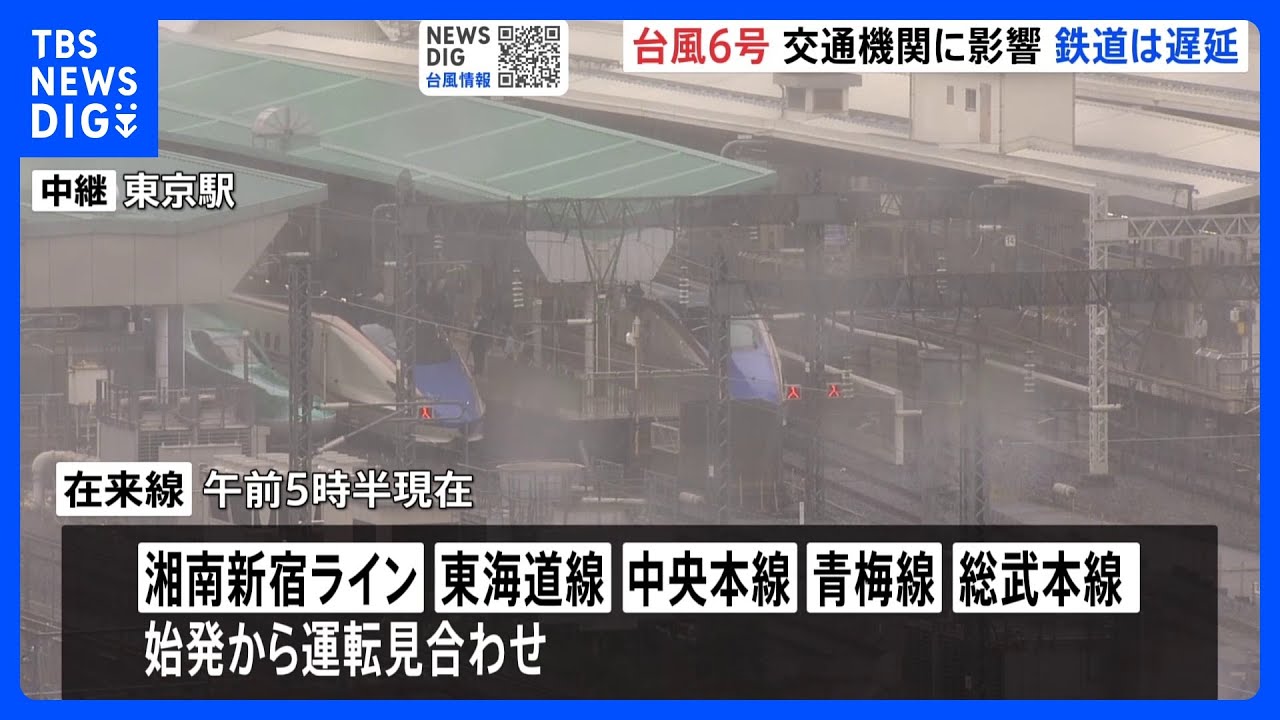
Typhoon No. 6 has pushed travel disruption across Japan into the spotlight, and this isn't a small local hassle. Western Japan and the 東海 (Tokai, Tōkai region) region are taking the hardest hit, with railway operators and airlines warning passengers to expect delays, suspensions, and cancellations. If you're heading anywhere near Osaka, Nagoya, or the wider 関西 (Kansai, Kansai region) corridor, this is the kind of weather alert that can rewrite a whole itinerary in minutes.

Let's be honest: Japan is famous for punctual transport, which makes storm-related chaos feel even sharper. One storm can throw off a carefully planned day trip, a ryokan check-in, or a long-distance bullet train ride. My tip is simple: always check the latest service updates before you leave your hotel, not after you've already reached the station.
Western Japan and Tokai face the biggest strain
Here's the deal: the areas under the most pressure are western Japan and the Tokai region, especially where heavy rain and strong winds can quickly affect rail lines and airport operations. Tokai, which includes Aichi, Gifu, Mie, and Shizuoka, is a major transport crossroads. When weather turns bad there, the impact doesn't stay local for long.
That matters because this corridor links some of Japan's busiest routes. Shinkansen services between Tokyo, Nagoya, Kyoto, and Osaka can be delayed or temporarily suspended when conditions worsen, and local trains often suffer first. In practical terms, one cancelled connection can snowball into a missed hotel dinner, a lost reservation, or a scrambled transfer to a night bus. Classic Japan, isn't it?

What many overlook: the knock-on effect
What many overlook is that the damage isn't just about one train being late. A single disruption can affect platform crowds, limited express connections, luggage forwarding, and even staff schedules. If you're travelling with children, big suitcases, or a tight same-day transfer, the stress level climbs fast.
I still remember how one storm day in Japan turned a simple two-hour ride into a five-hour puzzle of platform changes and slow announcements. The stations were still orderly, which I always love about Japan, but the message was clear: nature was in charge. From my experience, this is when having a backup plan feels less like overthinking and more like basic survival.
Flight cancellations and rail delays across Japan
Air travel is often hit hard when typhoons approach the archipelago, and Typhoon No. 6 is no exception. Airlines usually begin warning about cancellations early, especially for routes touching airports in western Japan. That can affect domestic hops as well as connections for international travellers coming through major hubs like Kansai, Chubu Centrair, and Osaka Itami.




Rail companies, meanwhile, tend to be very cautious, and that caution is one of the reasons Japan's transport system stays so safe. The first time I went to Japan, I was surprised by how quickly services could be reduced once weather alerts intensified. It felt strict at first, but after one rainy season, it made perfect sense. Safety first, schedules second.
Travel vocabulary that helps you read alerts
Fun fact: a few simple Japanese words can make travel alerts much easier to understand. Teikinunko means service suspension, 運行遅延 (unko chien, service delay) means delay, and yujo means cancellation. If you see these terms on station screens or airline notices, you'll know immediately what's happening.
Did you know that Japanese weather updates often use very direct, practical language? That's one reason learners can improve quickly by reading live notices during real events like this. Even if you only recognise a handful of words, you'll start spotting patterns. That's pretty handy.

How to handle typhoon travel in Japan
To be fair, not every trip has to stop just because a typhoon is moving through. But you do need to stay flexible. Check JR and airline websites, keep an eye on local news, and avoid locking yourself into non-refundable plans if you can help it.
Oh, almost forgot: if you're staying in a ryokan or hotel, contact the front desk early. Staff in Japan are usually very good at explaining alternatives, and they may help with rebooking or luggage timing. If your plan includes a famous onsen town or a day trip to a mountain area, it may be smarter to enjoy the downtime in a cafe, a museum, or even just a quiet konbini breakfast while the storm passes.
What I especially like is that Japan's travel system usually recovers fast once the weather improves. Delays can be annoying, sure, but the information flow is often excellent, and that makes a huge difference. My verdict: if you're in Japan during typhoon season, keep your day loose, your charger full, and your sense of humour intact.
In pictures

Frequently Asked Questions
Is Typhoon No. 6 affecting all of Japan?
No, the biggest disruption is in western Japan and the Tokai region, but knock-on effects can spread wider through rail and flight networks.
Should I still travel by train during a typhoon?
Sometimes yes, but only if services are running safely and your route is still active. Always check updates before leaving.
What should I do if my flight is cancelled?
Contact the airline immediately, check rebooking options, and ask your hotel if you need to change your arrival time.


