For Japan fans, this is pure mashup joy, because it connects British alt-rock, Nintendo nostalgia, and the sound world that shaped a whole generation of game players. Wild, isn't it?
![Dragon Ball Z: Kakarot [Master Edition]](https://s.pacn.ws/1/p/1eh/dragon-ball-z-kakarot-master-edition-908785.1.jpg?v=t8ja8t&width=400)
![Startup Company [Console Edition] (Limited Edition)](https://s.pacn.ws/1/p/157/startup-company-console-edition-limited-edition-741799.16.jpg?v=ry4mm8&width=400)
![Startup Company [Console Edition]](https://s.pacn.ws/1/p/157/startup-company-console-edition-741779.10.jpg?v=ry4ngq&width=400)
Radiohead OK Computer gets a Nintendo 64 makeover
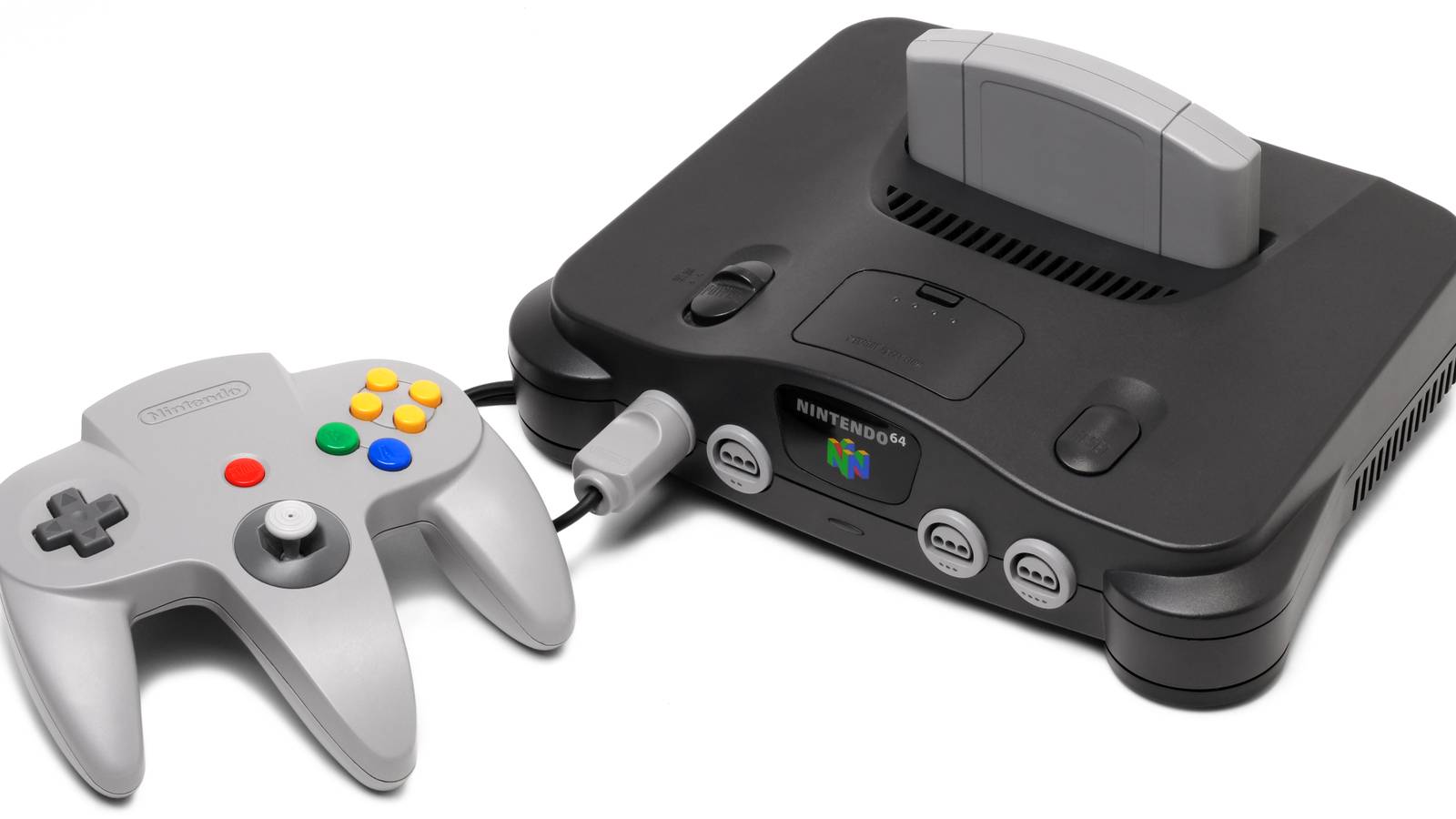
Guess what? Someone took Radiohead's OK Computer and reimagined the whole album with Nintendo 64 soundfonts, and the result is far more convincing than it sounds at first. Instead of guitars and Thom Yorke's haunted delivery, you get those crunchy, synthetic tones that instantly pull you back to late-1990s gaming.
OK Computer first came out in 1997, the same era when many players were hearing the startup chime of a grey Nintendo 64 in the living room, then spending hours with Mario Kart 64 or Super Mario 64. That timing matters, because the album and the console both belong to the same emotional archive, one about alienation, the other about pixelated wonder. Sounds weird, but it's true.
What makes the project click is that it doesn't just parody the record, it rebuilds its mood from the ground up. The bleakness of songs like 'Paranoid Android' or 'No Surprises' is still there, but it arrives dressed in bright, buzzy tones that feel like they're escaping from a game menu. Personally, I love when a remix keeps the soul of the original and flips the costume completely. Wait, there's more.
Nintendo 64 soundfonts, and why they hit so hard
Here's the thing: Nintendo 64 soundfonts are more than a gimmick, they're a memory trigger. A soundfont is basically a set of sampled instruments, and the N64 era had a very specific texture, partly because of the console's hardware limits and partly because developers leaned into those limits creatively.
The 1996-to-2001 Nintendo 64 library is full of sounds that Japan fans will recognise instantly, even if they can't name the technical side of it. The elastic bass of Mario Kart 64, the airy flute-like colours of The Legend of Zelda: Ocarina of Time, and the chunky percussion of Super Mario 64 all have that same compressed, lo-fi charm. Hand on heart: once you hear that palette, you can't unhear it.
Why the mashup feels so Japanese
Quick detour: this kind of internet creativity feels very close to what Japanese remix culture has always done well, especially in 同人 (doujin, fan-made / self-published works) spaces, game music arrangements, and fan-made tributes. The source material is respected, but it's also playfully remixed, and the result is half nostalgia, half invention.
That matters for learners too, because Japanese pop culture is full of this kind of layered reference game. A single track can point to game history, anime memory, and fan community knowledge at the same time. The reason is simple: Japanese fandom often rewards people who notice the little echoes, whether it's a melody, a visual cue, or a phrase like 可愛い (kawaii, cute) or 乾杯 (kampai, cheers; to a toast) tucked into an otherwise serious setting. Classic Japan, isn't it?
Mario Kart, Mario 64, and Ocarina of Time in the mix
Did you know that the strongest part of the arrangement is how clearly it quotes the N64 era without turning into a medley? You hear the bouncy, arcade-like energy of Mario Kart 64 in the rhythm choices, while Super Mario 64 seems to hover in the background through the playful instrument attack. Then Ocarina of Time slips in through the more pastoral textures, the kind that make a track feel like you're wandering Hyrule at sunset.
That blend is clever, because OK Computer already has a big, architectural sound. Its songs often feel like roads, terminals, towers, and empty spaces, which makes them easy to translate into game music language. The emotional distance stays intact, but it gets reframed as exploration. Convinced yet?
Oh, almost forgot: part of the fun is hearing familiar Radiohead drama through a medium usually linked to joy, race tracks, hidden stars, and dungeon puzzles. The contrast gives the album a strange sweetness. My tip: if you love retro game music, listen with headphones and focus on how quickly your brain starts assigning scenes to the sounds.
Why Japan fans and language learners should care
Let me show you why this matters beyond a cool novelty upload. Mashups like this are a great reminder that fandom is a language of its own, and for Japanese learners, that means listening for patterns, references, and moods, not just vocabulary lists.
For example, when people talk about retro games in Japanese, you'll often hear words like 懐かしい (natsukashii, nostalgic; brings back memories) for nostalgic, ゲーム (geemu) for game, and fon to describe soundfonts in casual online spaces. You may also run into terms like remix, cover, and fan work, especially in community posts, event descriptions, or video comments. Those little borrowed words sit comfortably beside Japanese expressions, and that mix is exactly what makes pop culture conversation so lively.
Here's the catch: you don't need to know every technical detail to enjoy the joke or the artistry. If you've ever spent time in Akihabara, browsed a second-hand game shop in Osaka, or listened to a lo-fi game arrangement on a train ride, you already understand the appeal. It's memory, style, and a tiny bit of absurdity, all at once. Personally...
If you want more Japan culture and language stories like this, check out more Japan news on jpnerd.com.
Frequently Asked Questions
What is OK Computer?
It is Radiohead's 1997 album, widely seen as one of the defining records of the 1990s.
What are Nintendo 64 soundfonts?
They are instrument samples and textures that recreate the sound of Nintendo 64-era game music.
Why do people like this kind of remix?
It combines nostalgia, humour, and strong pop culture references in one listen.