When Sega Left Hardware, Everything Changed
Ever wondered why Sega stopped making consoles? The short answer is simple, and a little sad: Sega couldn't keep fighting Sony, Nintendo, and the rising costs of the hardware business. By the late 1990s, the company had already been through the 32X, the Saturn, and a lot of bruising battles, then came the Dreamcast in 1998 in Japan and 1999 in North America and Europe.
![Dragon Ball Z: Kakarot [Master Edition]](https://s.pacn.ws/1/p/1eh/dragon-ball-z-kakarot-master-edition-908785.1.jpg?v=t8ja8t&width=400)


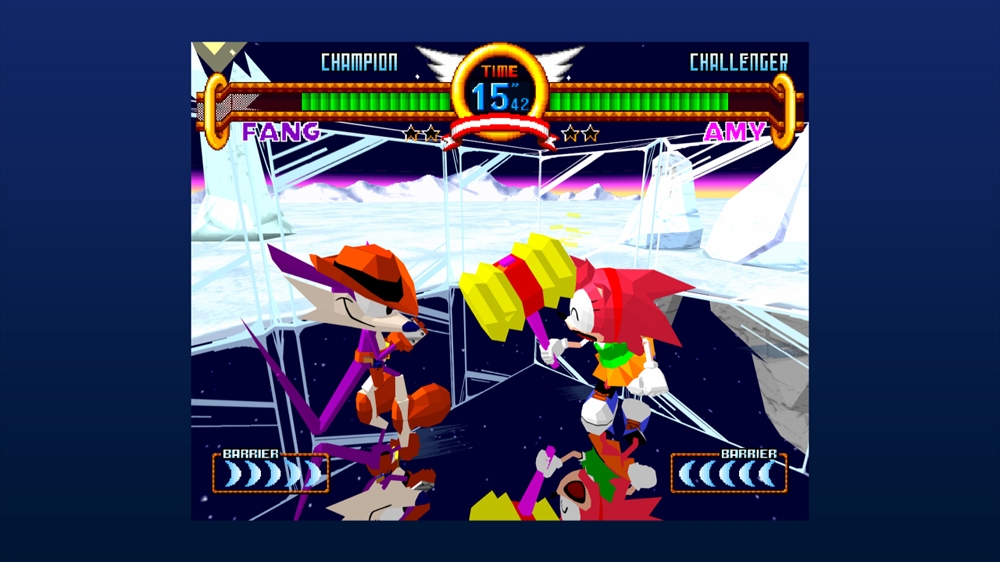
The Dreamcast was clever, fast, and way ahead of its time, with online play, VMU memory cards, and arcade-style games that still have a fanbase today. But the market had changed fast, and Sega was burning money. The console lasted only a few years, and in 2001 Sega announced it would leave the hardware business and become a third-party publisher. That was the real turning point, not just for Sega, but for the whole shape of game culture. And that's not all.
Dreamcast Ended, and a Rivalry Softened
What most people don't know is that the Dreamcast ending didn't just close a product line, it closed an era of identity. For years, Sega had been the cool, slightly rebellious alternative to Nintendo, especially in the 16-bit days when Mega Drive and Super Famicom fans argued like their lives depended on it. In Japan, that rivalry mattered a lot, because mascots weren't just mascots, they were brand weapons.
Compared to back home, Japanese game magazines and TV ads often treated the console war like a pop-culture showdown. Sega leaned into edge, speed, and arcade swagger, while Nintendo sold polish, family-friendly charm, and timeless characters. Then the Dreamcast failed to secure Sega's future, and the rivalry started to look less like a battle and more like a chapter break. Here's the deal: once Sega stopped making hardware, the idea of Sonic on a Nintendo system stopped being absurd. It started to feel inevitable. Sounds good, doesn't it?
Mario and Sonic as Symbolic Reconciliation
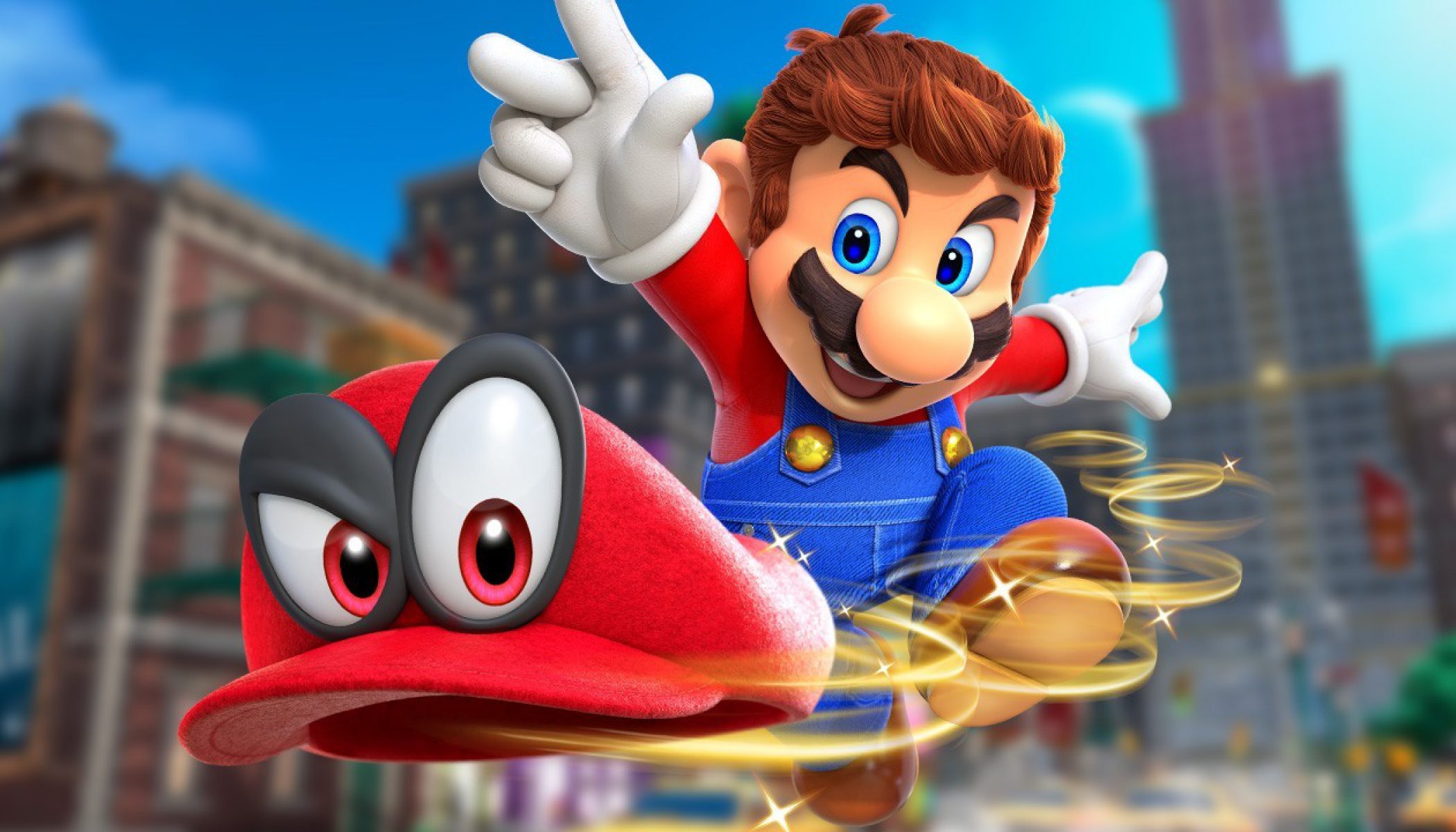
The first time I went to Japan, I noticed how deeply people care about character icons, from ガチャポン (gachapon, capsule toy vending machine) to station posters to theme park goods. Mario and Sonic fit that idea perfectly, two mascots built to be recognised in a split second. So when they finally appeared together, it wasn't just fan service, it was a symbolic hug between two old rivals.
A great example is the 2007 game Mario & Sonic at the Olympic Games for Wii and Nintendo DS. That project brought Nintendo's Mario, Sega's Sonic, and a cast of supporting characters into the same official space, tied to the Beijing 2008 Olympics. It was also the first time many younger players saw Sega and Nintendo side by side without irony. For fans who remembered the console war, that crossover felt almost ceremonial. The best part was that it turned competition into collaboration without losing either brand's identity. Simply brilliant.
Why that hug mattered so much
Trust me on this one: the famous image of Mario and Sonic together works because both characters carry huge emotional baggage. Mario had been Nintendo's face since Donkey Kong in 1981, while Sonic debuted in 1991 as Sega's answer to Mario, a blue blur designed to look fast, cool, and a bit smug. For more than a decade, they represented different ideas of what games should be.
So when they finally shared a title, the moment landed like a cultural reset. Fans who grew up choosing sides could relax a little, and new players just saw two legends teaming up. Before I forget, that's also why the crossover has lasted so long, with many sequels after 2007. It tapped into nostalgia, but it also made business sense, since Sega no longer needed to defend hardware turf. See what I mean?
What Japanese learners can notice in this Sega-Nintendo story
Insider tip: game history is a great way to learn Japanese because company names, product names, and media language show up everywhere in magazines, interviews, and fan talk. In Japanese, people often shorten console names or use playful labels, and that habit is a good reminder to listen for context instead of only literal translation. For example, hardware talk in Japanese media often uses words like konsole or 機器 (kiki, equipment; devices), while mascots and franchises are discussed almost like celebrities.
What I especially like is that the Sega story shows how Japanese pop culture loves dramatic transitions. One year it is rivalry, the next year it is collaboration, and nobody acts surprised for long. If you are studying Japanese, try reading older game articles or watching retro retrospective videos, then compare how people describe Sega, Nintendo, and Sonic across different decades. You'll pick up tone, not just vocabulary. Not bad, right?
The Dreamcast exit also helps explain why Sega became so active as a software company afterwards. It started publishing across platforms, including Nintendo systems, and that shift changed the whole tone of the industry. For Japan fans, that's the real nerdy pleasure here, a company that once stood for console war intensity ended up helping create one of gaming's friendliest crossover images. And that little hug between Mario and Sonic still says more than a thousand press releases ever could. And that's not all.
Frequently Asked Questions
Why did Sega stop making consoles?
Sega left the hardware business because the cost of competing in the console market was too high, and the Dreamcast couldn't secure long-term success.
What made the Mario and Sonic crossover so memorable?
It turned a famous rivalry into a friendly collaboration, which felt symbolic for fans who had followed the console wars for years.
Why is this story useful for Japanese learners?
It connects gaming history, pop culture, and the way Japanese media talks about characters, brands, and change.