What happened: sudden delisting from eShops
Did you know that reports first surfaced on the German gaming site 4P.de stating that Mario & Sonic at the Olympic Games entries were removed from digital storefronts? The coverage points specifically to sport-themed versions on Nintendo Switch and mentions both Nintendo and SEGA in the context of the removals. Picture this: one moment, the Tokyo 2020 entry and older Olympic tie-ins are visible on the Nintendo eShop; the next, they're no longer purchasable.
![Dragon Ball Z: Kakarot [Master Edition]](https://s.pacn.ws/1/p/1eh/dragon-ball-z-kakarot-master-edition-908785.1.jpg?v=t8ja8t&width=400)


Here's the thing: the delisting looks targeted at Olympic-branded titles. That means copies already downloaded generally still work, but new purchases are blocked. Sounds good, right?
Why games like this vanish: licensing and the Olympic brand
What most people don't know is that Olympic licensing is complex and usually time-limited. Mario & Sonic at the Olympic Games is a crossover series that began in 2007, developed by Sega and featuring Nintendo characters, with periodic entries tied to specific Olympic events. The Tokyo 2020 edition was released for Nintendo Switch in 2019, so these titles carry event-based branding that often has expiration dates.
How licensing typically works
The reason is simple: event licenses, music rights, and character use agreements often run out after a set window. When those contracts lapse, the publisher has to either renew costly rights or remove the game. For Olympic games, there's usually an extra layer of approval from organising bodies, so renewals aren't automatic. My tip? If you want a permanent copy, buy a physical cartridge before digital storefronts pull titles.
What this means for Nintendo, SEGA and players
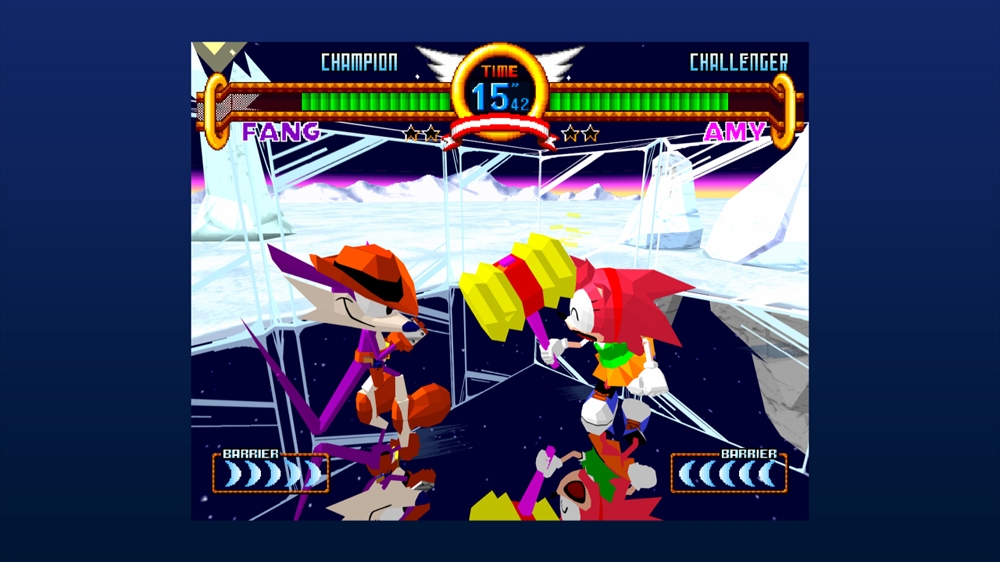
I still remember how excited fans were when Mario and Sonic first met in 2007 on the Wii and Nintendo DS. That crossover felt like a small cultural moment, a mixing of two corporate worlds in a sports festival style. Now, the disappearance underlines how fragile licensed gaming can be, even when the IPs involved are as big as Nintendo and SEGA.
Pro tip: collectors and language learners who use games as study tools should check region availability and second-hand markets. Physical copies of the Tokyo 2020 title and older Olympic entries often pop up on sites like eBay, and owning a cartridge avoids future digital delistings. Wait, there's more.
Connections to Japan learning and culture
For Japan fans, the series has cultural value beyond gameplay because Olympic-themed games often reference host-city imagery and local traditions. That reminds me: games tied to events like the Tokyo Olympics often include bits of Japanese culture, from festival visuals to the idea of おもてなし (omotenashi), hospitality, in presentation. Playing a region-appropriate copy can be a fun way to study vocabulary and learn how everyday Japanese is used in menus and UI.
A great example? The Tokyo 2020 game's menus include location names and event terms that you can turn into simple flashcards. My verdict: if you're studying Japanese and love gaming, these event titles are small cultural snapshots worth preserving.
Practical advice for fans in Japan and abroad
Before I forget, check your Nintendo account region and your download history. Digital purchases are tied to accounts, and redownloading may remain possible even after delisting, depending on region policies. That doesn't always hold true worldwide, so keep receipts and back up your Switch where possible.
What I especially like is that physical media often includes manuals, box art, and Japanese text that are useful for learners. Classic Japan, isn't it? Buying a boxed copy not only secures the game but gives you reading practice with in-game labels and menus. Sounds good, right?
Frequently Asked Questions
Why was Mario & Sonic removed from eShops?
Short answer: the most likely reason is that time-limited licenses for Olympic branding and related assets expired, prompting removal from digital storefronts.
Can I still play the game if I already bought it?
Short answer: yes, in most cases, previously purchased or downloaded copies remain playable, but future re-downloads depend on regional store policies.
How can I keep a copy for study or collecting?
Short answer: buy a physical cartridge, keep receipts, and check secondary markets for sealed or used copies.