
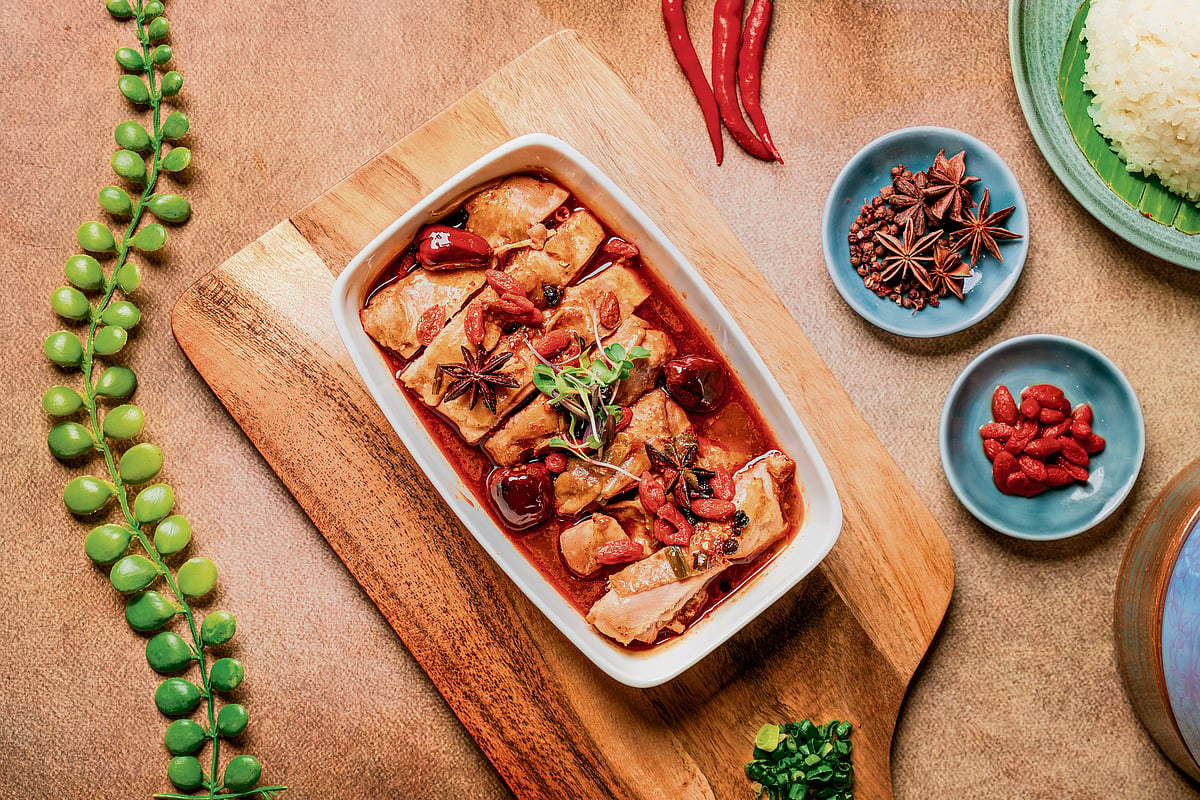
YouMee’s Manga Matsuri: a Japan-inspired food festival with a twist
I still remember how often Japan-themed events promise a lot, then quietly turn into a standard buffet. This one sounds different. YouMee’s Manga 祭り (matsuri) in Chennai is built as a pan-Asian food festival, but it borrows its energy from manga culture, playful presentation, and the kind of theatrical dining that feels very at home in Japan’s pop-culture-heavy food scene.
The event, covered by Indulgexpress, takes place at YouMee, a restaurant brand that already leans into bold Asian flavours and visual flair. That matters, because Manga Matsuri isn’t just a marketing phrase slapped onto a menu. It’s a full-on festival frame, with food designed to look as lively as the anime and manga inspiration behind it. Sounds good, right?
Pan-Asian food festival, but with Japanese precision
Ever wondered why Japanese dining events often feel more structured than other festival-style meals? The answer is simple: there’s usually a strong sense of balance, pacing, and presentation. Even when the menu travels across Asia, the Japanese influence shows up in how carefully each plate is built.
At Manga Matsuri, the pan-Asian angle matters. That means you’re not getting only sushi, or only ラーメン (ramen, ramen noodle soup), or only one-country comfort food. Instead, the menu moves across regions, which is smart for a festival setting, because it keeps the meal from feeling repetitive. On the flip side, it also gives Japan fans something to compare. How does a sushi roll sit next to a Thai-style spicy dish, or a sweet dessert that borrows from East Asian café culture? That contrast is half the fun.
Sushi, spice, and sweetness on one table
Let’s be honest: when a food event says “something for everyone”, it can sound lazy. Here, the promise seems more specific. The three words that matter most are sushi, spice, and sweetness. That’s a neat way to frame a menu, because it mirrors how many Asian dining experiences are built around contrast.
Sushi brings the precision. Think clean cuts, neat rolls, rice with just enough vinegar, and toppings arranged with care. Spice brings the energy, the kick that keeps the palate awake. Sweetness, meanwhile, gives the menu a softer landing, which is especially important if you’re sampling several dishes in one sitting. My tip: if you go to a festival like this, don’t start with the hottest item on the menu. Begin with something balanced, then move towards the bolder plates. You’ll enjoy the flavours much more that way. From my experience...
The show side of Manga Matsuri matters as much as the food
What most people don't know is that food festivals in Japan are often as much about atmosphere as they are about eating. That’s why the show element at Manga Matsuri is such a smart move. A playful presentation can turn a good dish into a memory, especially when the visuals echo manga, colour, and a bit of culinary theatre.
Imagine a table where the plating is sharp, the colours pop, and every dish feels like it was made for the camera. That’s very now, of course, but it also fits a broader Japanese aesthetic idea, where detail matters and food is part of the scene, not separate from it. Quick detour: if you’re learning Japanese, this is a nice moment to pick up a few related words. 美味しい (Oishii) means delicious, 美しい (utsukushii) means beautiful, and おもてなし (omotenashi) refers to thoughtful hospitality. Those ideas show up again and again in Japan’s best dining experiences, even outside Japan.
The best part? When food looks fun, people tend to talk about it more. And that’s exactly how a festival like this works. It’s not only about feeding guests. It’s about giving them a story to carry home, maybe even a photo to post, maybe even a reason to come back. See what I mean?
Why Japan fans and Japanese learners should pay attention
Did you know that a lot of Japan lovers first get hooked through pop culture, then stay for the food? That path makes total sense. Manga, anime, street snacks, themed cafés, and seasonal events all teach you something about Japanese life, even before you open a textbook.
Manga Matsuri is interesting because it sits right on that border. It’s not a Japanese cultural event in the strict sense, but it clearly borrows from Japan’s visual language and dining style. For learners, that can be a helpful bridge. If you know the word matsuri, you already understand that the event is meant to feel festive. If you’ve seen how Japan uses seasonal branding, character-based presentation, and limited-time menus, the concept clicks even faster.
Insider tip: when you read about food events like this, pay attention to the words used to describe texture and balance. Japanese food culture talks a lot about subtlety, freshness, and harmony. Those ideas don’t stay inside Japan; they travel, and they show up in places like Chennai too. Highly recommended if you enjoy spotting those connections.
There’s also a practical angle. Pan-Asian festivals are a good reminder that “Japanese-inspired” doesn’t have to mean only 天ぷら (tempura, tempura; battered and fried seafood or vegetables) or 照り焼き (teriyaki, glazed grilled style). Japan’s food influence in Asia is part of a bigger regional conversation, and events like this show how Japanese style can sit beside other cuisines without losing its identity. That’s a pretty nice thing to see.
Pro tip: if you’re writing vocabulary lists, group words by experience, not just by textbook chapter. Food, festival, presentation, flavour, hospitality. That makes them easier to remember. And if you’ve ever tried to describe a meal in Japanese, you know how useful that can be. Sounds good, right?
Frequently Asked Questions
What is YouMee’s Manga Matsuri?
It is a pan-Asian food festival with a Japan-inspired theme, combining playful presentation, sushi, spice, and sweet dishes.
Why is it interesting for Japan fans?
It blends Japanese pop-culture vibes with dining, so it feels like a cultural crossover rather than a standard restaurant promotion.
Can Japanese learners get something out of it?
Yes, especially by learning food and culture vocabulary linked to presentation, hospitality, and festival language.

