
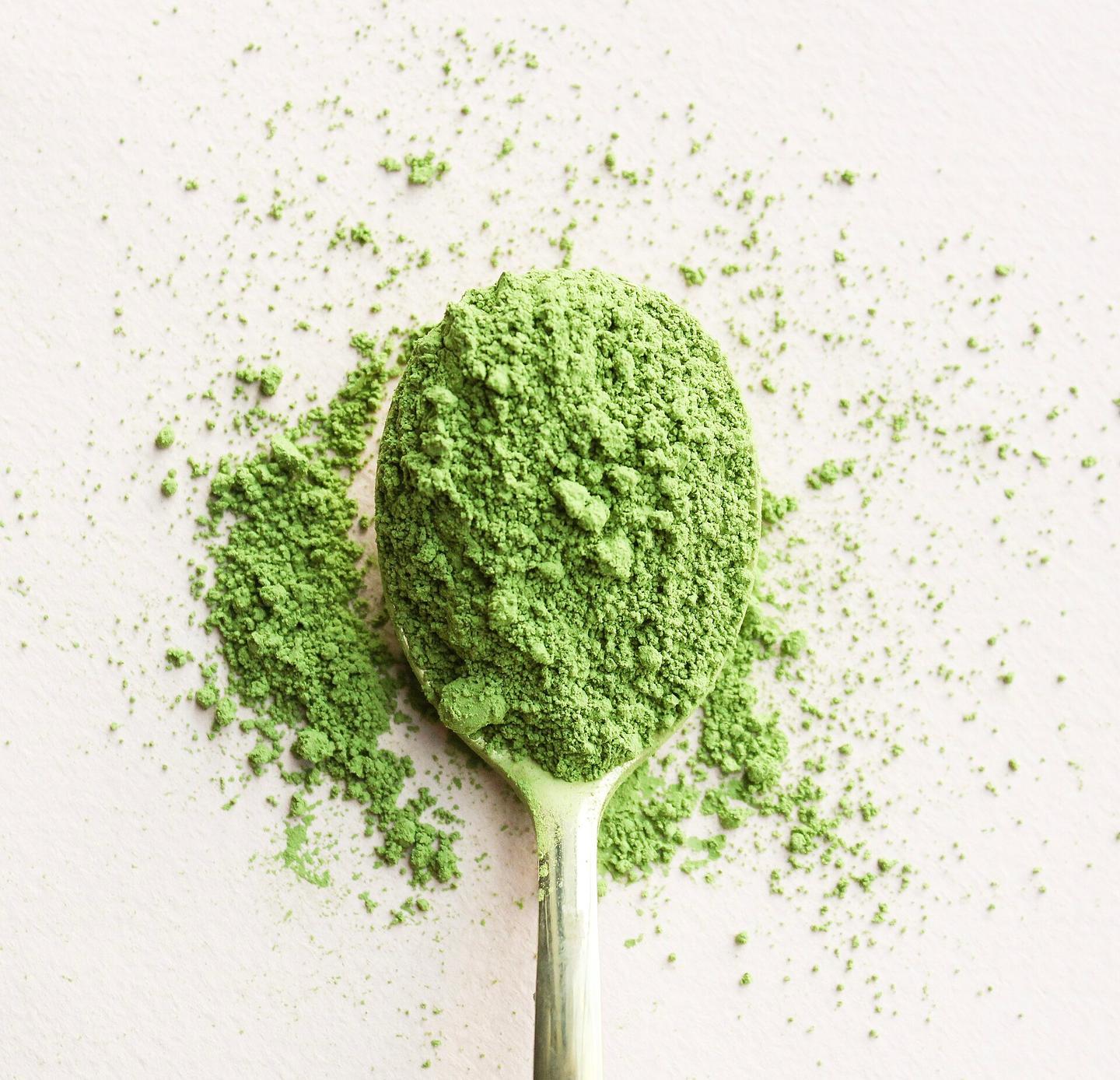
Today I’m looking at the tea field work behind 抹茶 (Matcha, powdered green tea), not the café version. If you learn Japanese tea vocabulary, this is a useful place to start: 碾茶 (tencha, base tea for matcha), 被せ (kabuse, shade covering), and shading are all part of the real production story.
Tokyo tea workshop Nishimuraen and the 2026 field update
Matcha fields in 2026 aren’t just about the final green powder. They begin with the tea plant, the timing of shade, and the handling of leaves before they ever become tencha. On 2026-05-27, Tokyo tea workshop Nishimuraen shared a concrete look at its matcha-use tea fields, and the key point was simple: the fields have been shaded since the end of April.
That timing matters. For tencha production, growers reduce direct sunlight before harvest. This changes the chemistry of the leaf. It helps preserve chlorophyll and pushes the leaf towards the deep, sweet, 旨味 (umami, savory taste) profile that matcha fans look for. No exaggeration: if the shading step is off, the whole profile changes. Sounds good, right?
Why shading matters for tencha and matcha
What most people don’t know is that matcha doesn’t start as matcha. It starts as tencha, written 碾茶, which is the base material used to make matcha powder. The leaves are grown, shaded, harvested, steamed, dried, and then processed before they’re ground. That’s the production chain you want to understand if you care about taste and texture.
Shading, or kabuse in practical tea talk, isn’t just a visual trick. It changes the plant’s growth. The leaves become softer, the aroma shifts, and bitterness is kept in check. That’s why growers often begin shading several weeks before harvest. In the Nishimuraen update, the shaded fields had already been under cover since late April. That suggests the farm is aiming for a harvest window that supports high-grade tencha.
What tencha does differently from sencha
A great example: 煎茶 (sencha, ordinary leaf tea) is usually grown with full sun exposure and finished as a leaf tea. Tencha is handled differently from the start. After steaming, it’s dried without rolling, so the leaf shape stays flat. Then it’s later stone-ground into matcha. That’s why tencha leaf shape matters, even if the end product is powder. Wild, isn’t it?
If you study Japanese tea terms, this is a useful distinction to keep in your head. Sencha is the everyday leaf tea. Tencha is the dedicated base for matcha. One is prepared for steeping. The other is prepared for grinding. That’s why the same tea plant can lead to very different drinking experiences depending on farm handling and finishing.
What the late-April shading tells us about harvest quality
Before I forget, timing is a practical clue, not a romantic detail. Shading from the end of April and reporting the field status on 2026-05-27 points to active production control. Growers don’t shade without reason. They do it to shape the leaf before harvest, and they adjust that schedule based on weather, growth speed, and intended grade.
My tip: when you buy matcha, ask where the tencha came from and when it was harvested. You don’t need to be a tea technician, but knowing whether the leaves were shaded, how long they were shaded, and whether the product is ground from tencha gives you a much clearer picture of what you’re paying for. This is especially useful when matcha is sold for 薄茶 (Usucha, thin tea), koicha, or culinary use. The grade changes the price, the colour, and the flavour.
From field to bowl, step by step
Here’s the production flow in plain terms. First, the tea plants are shaded. Next, the leaves are picked at the right stage. Then they’re steamed to stop oxidation. After that, the leaves are dried into tencha. Finally, the tencha is ground into matcha. Each step affects the final cup, and each step can be learned as a Japanese vocabulary set if you’re building language skills alongside tea knowledge.
If you’re a learner, keep the words together. Ocha is tea in general. Matcha is powdered green tea. Tencha is the processed leaf used for matcha. That small vocabulary map helps a lot when you read tea labels, watch farm videos, or browse Japanese tea shop pages. Convinced yet?
Why matcha fans should pay attention to farm details
I still remember how often people stop at the colour of matcha and ignore the farm work behind it. That’s a mistake. A deep green cup starts with field management, not just pretty packaging. The best part: once you start reading tea updates like the one from Nishimuraen, you can compare harvest timing, shading length, and processing style across farms.
What I especially like is that these field reports make Japanese tea easier to understand for home drinkers. You don’t need to visit a tea farm to follow the basics. Watch for the shading date, the harvest date, and whether the producer names the leaf as tencha. Those three details already tell you a lot. No wonder, because good tea is built long before the water hits the bowl.
If you want to go deeper into Japan-related reading, you can also browse more Japan news on jpnerd.com. That way you keep building context while learning the language and the culture around it.
Frequently Asked Questions
What is tencha?
Tencha is the processed tea leaf used as the base for matcha. It is shaded, steamed, dried, and then ground into powder.
Why do tea growers shade matcha fields?
Shading changes the leaf growth and helps create a sweeter, less bitter profile with stronger umami.
Why does the late-April shading date matter?
It shows that the farm is actively managing leaf quality before harvest, which is a strong sign of intentional tencha production.


