Overview: how matcha is made, and why place matters
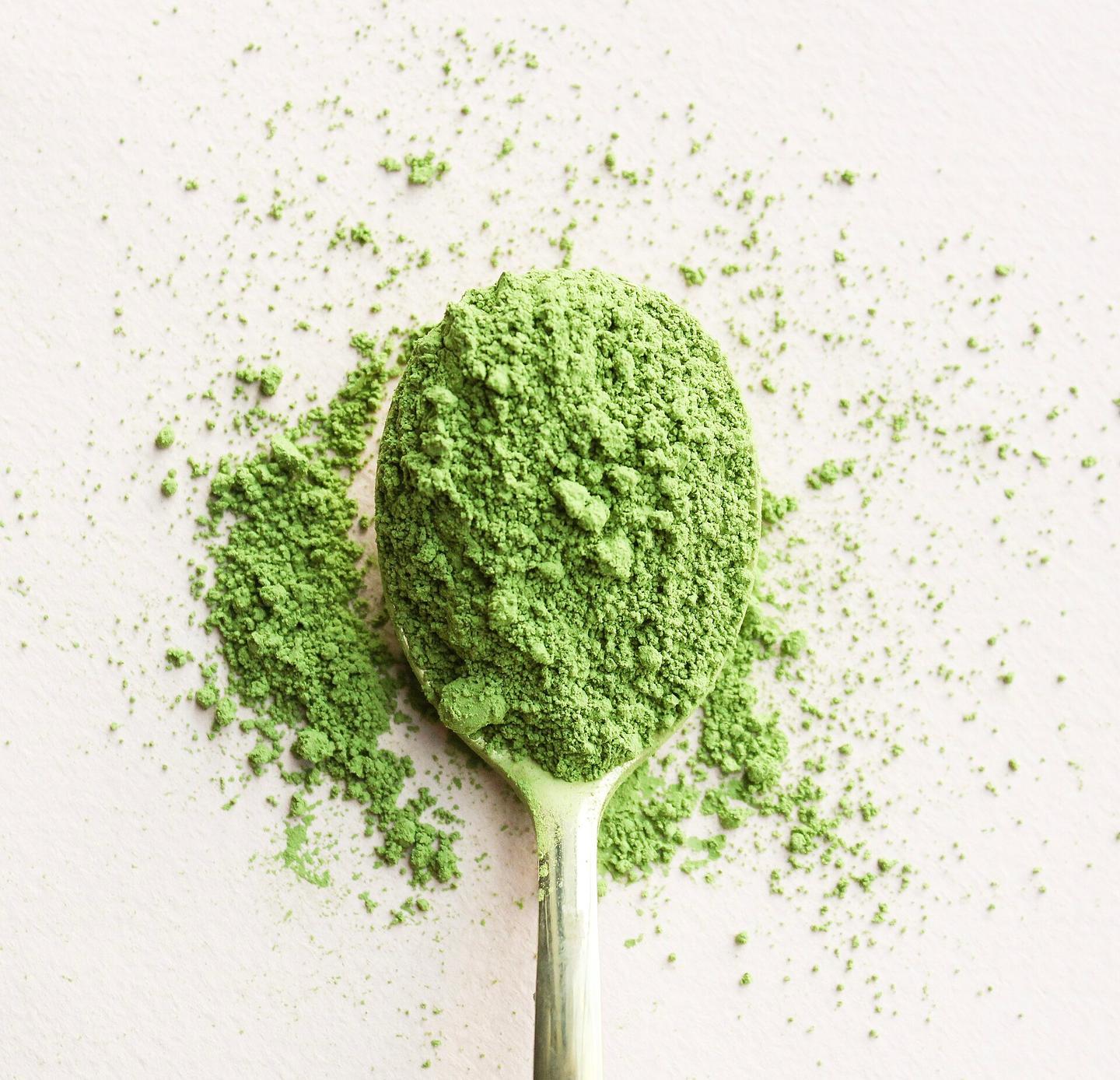
抹茶 (matcha, powdered green tea) begins with 碾茶 (tencha, shade-grown tea leaves used as the base for matcha), a base tea grown under shade before harvest, then steamed, dried, and ground into a fine powder. That shaded growing period is the point where the character of matcha is formed: the leaves keep more chlorophyll, bitterness is reduced, and umami rises. If you have only ever thought about matcha as a drink, it is worth slowing down and looking at the production chain. The body matters. The field matters. The texture of place matters.
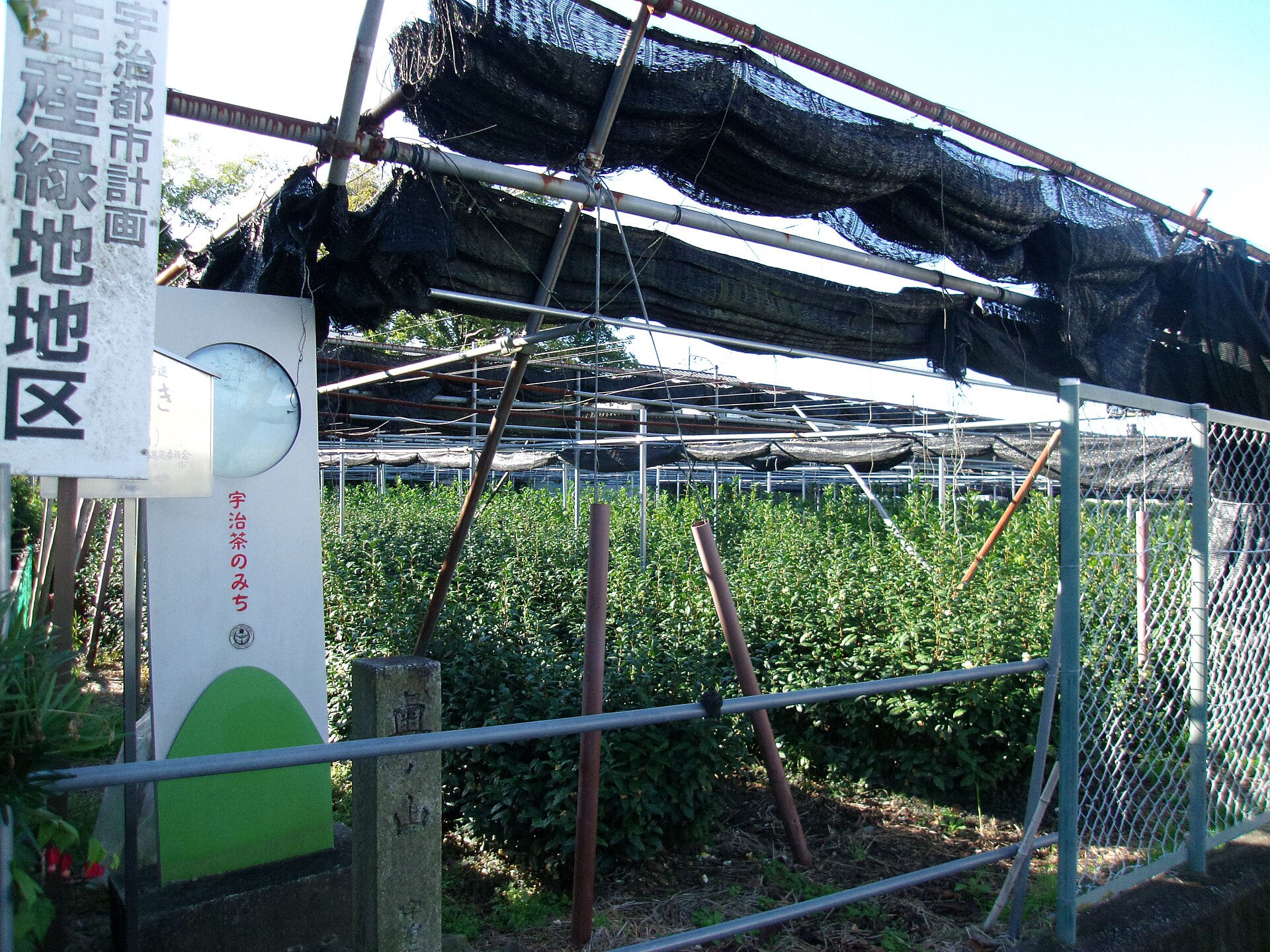
In practical terms, matcha production is a chain of careful steps rather than a single crop-and-grind operation. The tea plants are covered to limit direct sun, a method tied to the shading of tencha fields; then the harvested leaves are processed differently from 煎茶 (sencha, regular green tea made from leaves, not powdered), which is typically grown in full sun and made as a leaf tea rather than a powdered one. That difference is the whole game. It is also why a guide to where matcha comes from is really a guide to how Japan’s tea regions think about cultivation, labor, and flavor.
For a broader look at the market side of things, the current matcha boom is not just a cafe trend. It is driven by tourism, drinks, sweets, and health-focused demand, and that pressure is changing how much attention the producing regions receive outside Japan as well. More demand means more scrutiny, more competition, and more reason to understand where the powder begins.
Kyoto Prefecture and the center of gravity
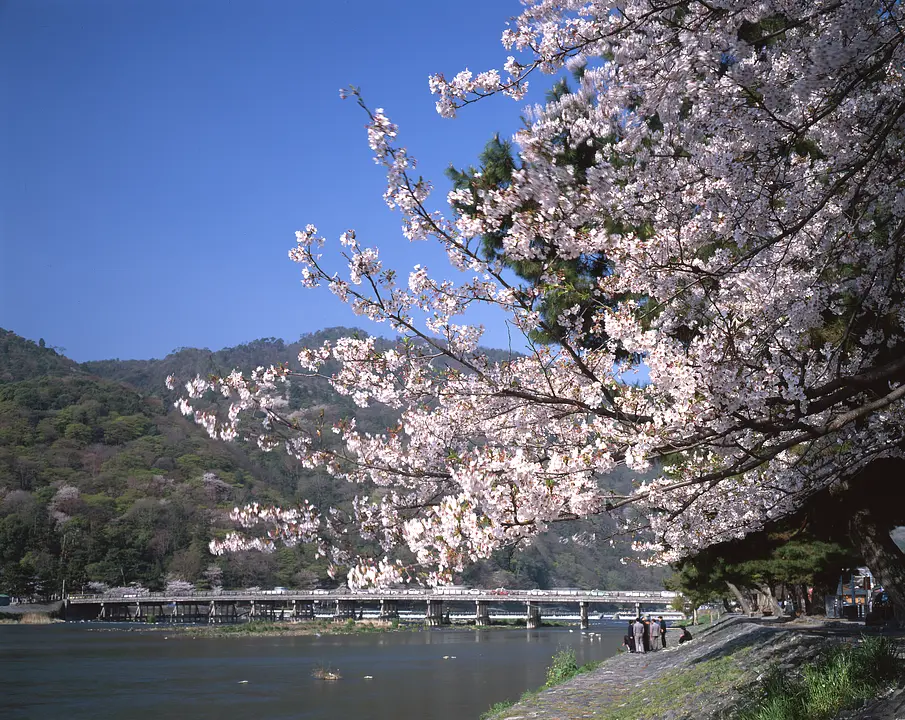
Kyoto Prefecture is widely associated with Japanese matcha and is often described as the heart of Japan’s matcha world. That reputation is not just branding; it reflects a long tea culture, established processing knowledge, and the deep public association between Kyoto and high-quality green tea. When people picture matcha in Japan, they are usually picturing Kyoto, even before they know the names of the surrounding growing areas.
What makes Kyoto important is not merely history in the abstract. It is the combination of cultivation, milling, and presentation. Matcha is not only grown there, it is experienced there: in tea shops, sweets counters, temple districts, and tasting rooms where visitors can compare grades and styles. If you want to understand why matcha has such strong symbolic weight in Japan, Kyoto is the obvious place to start. Not the only place. The obvious one.
Within the prefecture, the conversation naturally turns to quality, shade-grown tencha, and the vocabulary of tea itself. The tea terms matter here, so a few are worth keeping close: tencha for the base leaf material, sencha for the full-sun leaf tea that is processed differently, koyou to describe the autumn leaves of a tea plant in its seasonal life cycle, and 予約 (yoyaku, reservation; booking), meaning a reservation, which you will want for tastings or tea-making workshops that fill up fast in popular districts. There is also おもてなし (omotenashi, thoughtful, attentive hospitality), the careful hospitality you often encounter in tea experiences, and it is not fluff; it is part of the setting.
Other major producing regions and what they add
Kyoto gets the headlines, but matcha production is broader than that. Several regions contribute to the national picture, each with its own terrain, temperature swings, and tea-making priorities. The details matter because matcha is sensitive to growing conditions and post-harvest handling. A region that excels at shade-grown tea can produce leaves with a different balance of sweetness, astringency, and aroma than one that specializes in more general tea cultivation.
- Kyoto Prefecture: the best-known reference point for matcha and a major center for tencha culture.
- Neighboring tea-growing districts: often tied to the supply chain through cultivation, processing, or finishing work rather than only retail recognition.
- Other established tea areas in Japan: important for the wider tea economy, especially where producers diversify between tencha and other green teas.
It is also useful to remember the distinction between what a region grows and what it becomes known for. Some places produce excellent tea without being loudly branded as matcha regions. Others become famous because tourism, cafes, and gift culture amplify the name. That gap between supply and visibility is part of modern Japan, and it is one reason the map of matcha production can look simpler from the outside than it really is.
What the shade-grown method changes in the cup
The production method is not decorative. It shapes taste. Shading the tea plants before harvest preserves chlorophyll, which supports the vivid green color people expect from matcha. It also reduces bitterness and increases umami, the savory depth that gives good matcha its long finish. This is why tencha matters so much: without the shading process, you do not get the same leaf chemistry, and without that chemistry, you do not get the same cup.
Sencha offers a helpful contrast. It is usually grown in full sun and processed as a leaf tea, which produces a different profile entirely. A sencha drinker and a matcha drinker may both talk about green tea, but they are often talking about separate worlds of texture and intensity. The difference is structural, not cosmetic. Once you notice it, you start seeing matcha less as a trend and more as a precise agricultural result.
That precision is part of why matcha remains so compelling to makers and drinkers alike. It has a clear method, a visible color, a recognizable flavor structure, and a strong regional identity. You can trace each of those back to how the leaf is grown and handled. That is the appeal. Small things, done carefully, over and over.
Why the market is changing now
Japan’s matcha production is facing increased competition as China expands its own production and closes the gap with Japan. That does not erase Japan’s lead in reputation, but it does make the category more contested. For producers, that means more pressure on quality, consistency, and story. For consumers, it means a widening field of options and a more crowded global market.
The current boom is also broader than tea bowls and ceremonial spaces. Matcha is showing up in drinks, sweets, and health-oriented products, which expands demand far beyond the traditional tea room. That is good for visibility and dangerous for simplification. The powder in your latte is still tied to farming, shading, milling, and region. The label may be global. The origin is local. More soon.
There was also a report from a Tokyo tea workshop, Nishimuraen, on 2026-05-27 stating that its matcha-use tea fields had been shaded since the end of April; that report remains an unverified source note, so it should be treated cautiously. It is a reminder, though, that the farming calendar still sits underneath all the polished cafe glass.
Where to experience matcha in Japan
If you want to experience matcha where it actually lives, focus on places where the farming and the serving world overlap. Kyoto Prefecture is the natural anchor, especially for tea districts, specialty shops, and tasting spaces that explain tencha and matcha side by side. Look for tea houses, workshop-style cafes, and producers who offer guided tastings; that is where the difference between grades becomes legible, even to a newcomer.
Beyond Kyoto, the most rewarding experiences tend to be hands-on rather than purely scenic: a tea workshop, a tasting flight, a milling demonstration, or a tea shop that can explain leaf origin in plain language. If a place can tell you how the tea was shaded, when it was harvested, and whether it is intended for drinking straight or for sweets, it is doing useful work. That is the standard.
For travelers moving through Japan, the practical advice is simple: prioritize regions and venues that connect product with process. A good matcha experience should teach you something about tencha, about shading, and about the difference between ceremonial and culinary use. If it does that, it is worth your time.
Frequently Asked Questions
Where does most Japanese matcha come from?
Kyoto Prefecture is widely associated with matcha and is often described as the center of Japan’s matcha world, though other tea-growing regions also contribute to production.
What is the difference between matcha and sencha?
Matcha is made from tencha, which is shaded before harvest, then steamed, dried, and ground into powder. Sencha is usually grown in full sun and processed as a leaf tea.
Why is shading important in matcha production?
Shading helps preserve chlorophyll, increases umami, and reduces bitterness, which gives matcha its vivid color and distinctive flavor.
Has matcha production faced more competition recently?
Yes. Japan’s matcha production is facing increased competition as China expands production and closes the gap with Japan.
Where can I experience matcha in Japan?
Kyoto Prefecture is the best-known place to start, especially tea districts, specialty shops, and tasting venues that explain tencha, matcha, and the production process.