

Nippan as cultural infrastructure
What many overlook is that Nippan isn’t just a distributor. It’s one of the big behind-the-scenes players that keeps Japan's book culture moving, connecting publishers, bookstores, and readers across the country. That role sounds practical, almost invisible, but it matters because cultural life needs logistics too. Books don’t reach readers by magic.



No joke: in a market where print has faced pressure for years, Nippan has been looking for ways to give bookstores a stronger purpose. The company has described itself as part of Japan's cultural infrastructure, and I think that phrase fits. If you care about manga, literature, art books, or even the quiet habit of browsing shelves on a rainy afternoon, this is the kind of company shaping that experience from the ground up.
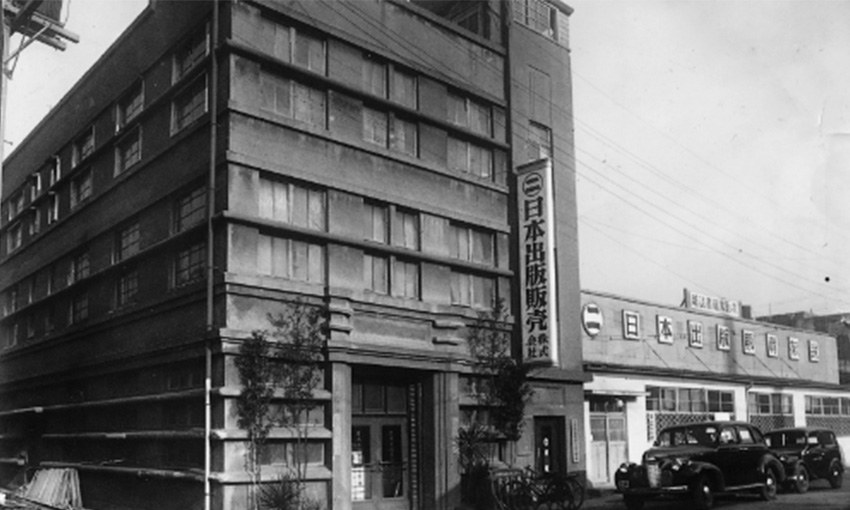
The reason is simple: a bookstore in Japan has never been only retail. It can be a meeting point, a refuge, a place to stumble into a new author or rediscover an old one. Nippan seems to understand that the future of books may depend on making that role more vivid, not less. From my experience, that’s where the story gets interesting.
Hakone Honbako in Hakone: bookstore plus stay
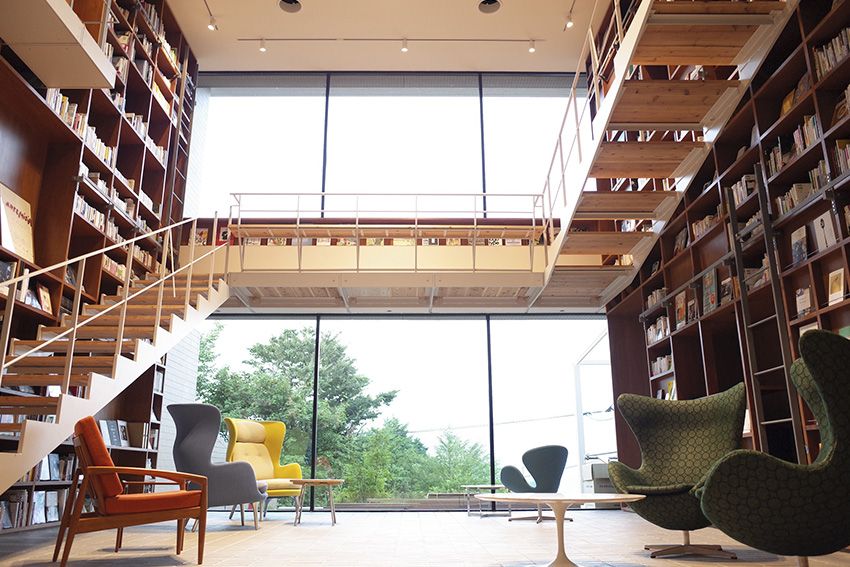
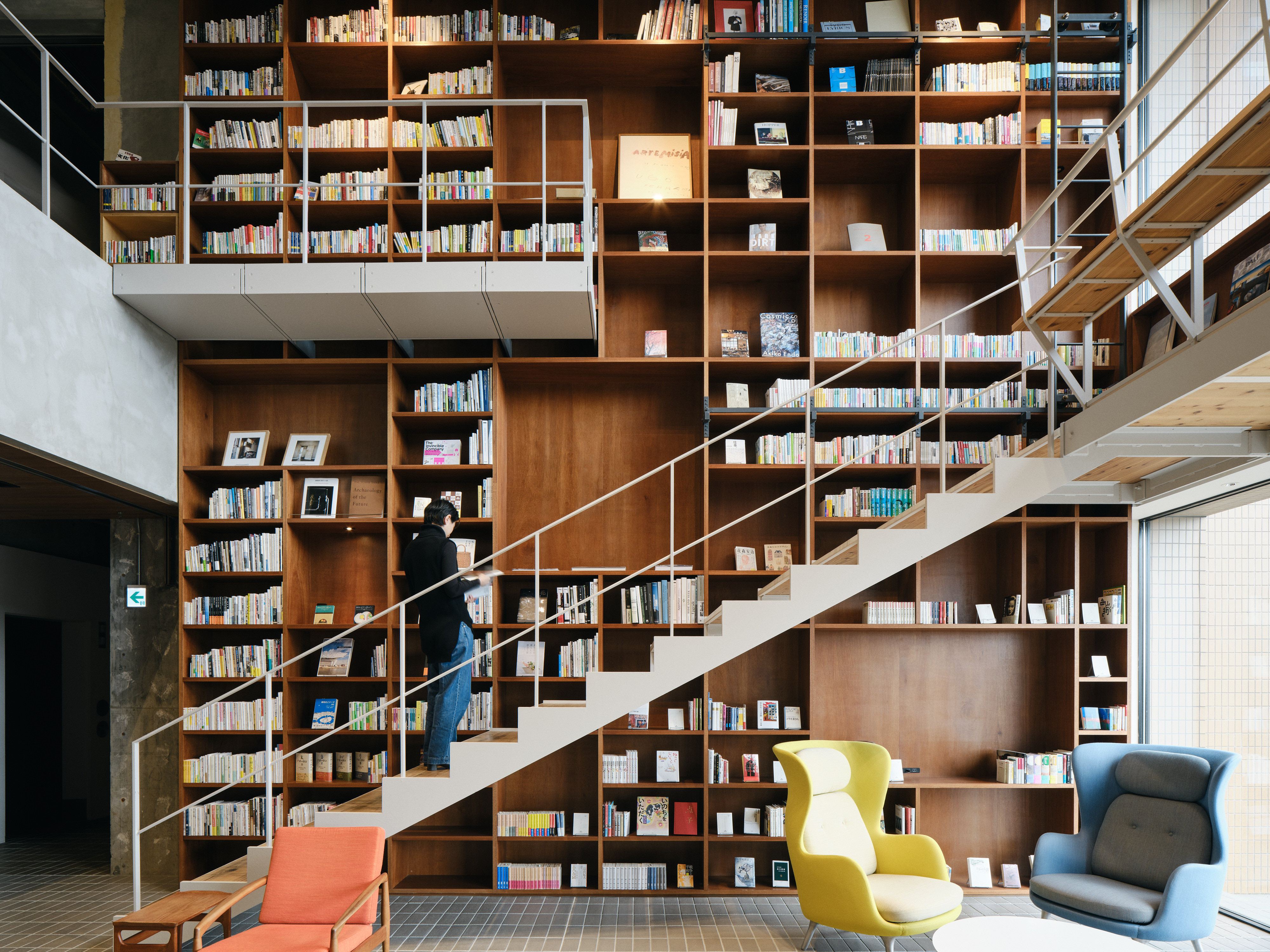
Imagine a narrow alley in Tokyo. Now replace the urban rush with misty mountains, hot springs, and a building where the shelves keep going long after the cash register ends. That’s the feel of Hakone 本箱 (Honbako, book box; book storage space) in Hakone, a book-centred stay that blends bookstore, lodging, and retreat into one experience.
Hakone is already one of Japan's classic getaway areas, known for onsen, ryokan, and views of nature that make you breathe differently. Hakone Honbako takes that setting and gives it a literary twist. Instead of treating books as decoration, it makes them the main attraction. You can browse, sit, read, sleep, and wake up with them nearby. Wild, isn’t it?
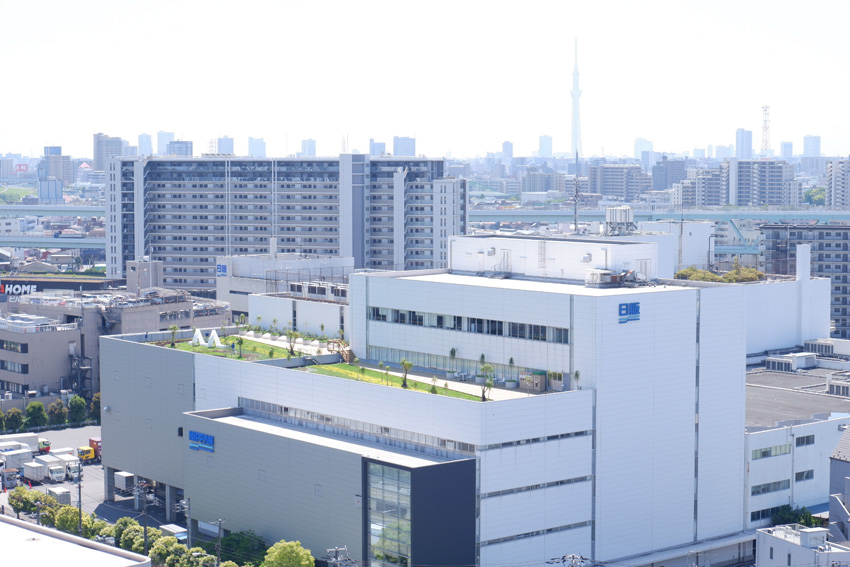
The property has often been discussed as part hotel, part bookstore, part recovery space. What I especially like is that it doesn’t force you into a rigid schedule. You can read for ten minutes or three hours, then wander off for bath time or tea. That softer rhythm is exactly the point. It feels less like checking in and more like pressing pause.
Why the concept works
Here’s the catch: this only works if the place respects silence, comfort, and pacing. Hakone Honbako does. The design encourages lingering, with books arranged to invite browsing rather than speed. The atmosphere is calm, but not sterile. It has warmth, which matters when you’re trying to make reading feel like a lived experience rather than a marketing slogan.
Let me show you why that matters for Japan fans and language learners. Bookstores are full of everyday vocabulary you can actually use: 冊 (satsu, bound volume; book counter) for a bound volume, 読む (yomu, to read) for reading, and 本屋 (honya, bookshop) for bookstore. But there’s also the cultural layer. Browsing in Japan often means discovering how titles are displayed, how staff recommend books, and how the store becomes part of the neighbourhood. Hakone Honbako turns that whole idea into a destination. Sounds good, right?
Reading as a slow travel experience
Let’s be honest: travel can get noisy. Trains, sightseeing lists, phone photos, the constant feeling that you should be somewhere else. A place like Hakone Honbako pushes back against that. It treats reading as a way to travel more slowly, and maybe more honestly. You’re still moving, but inwardly.
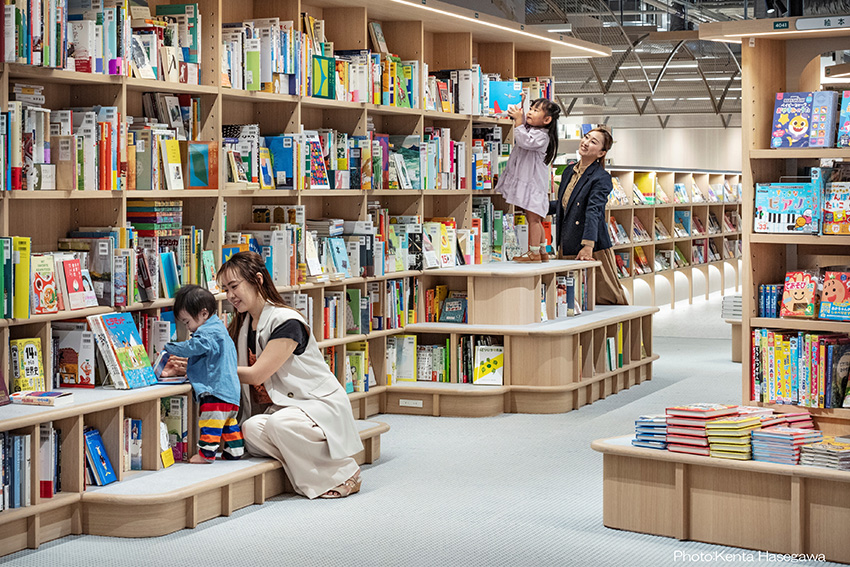



That idea fits Japan beautifully. Reading has long held a strong place in daily life here, from commuter paperbacks to manga kiosks to carefully curated neighbourhood bookstores. What many visitors miss is how natural it can feel to build a trip around a book, not just around a landmark. Hakone Honbako gives that instinct a physical home.
My tip: if you visit, don’t rush the shelves. Pick up a book you didn’t plan to read. Sit with it before dinner. Then leave it and walk outside into the mountain air. That back-and-forth, between page and place, is where the experience becomes memorable. No wonder, because the setting is doing half the work for you.
Japanese book culture, seen up close
If you’ve been in Japan for a while, there’s a good chance you’ve noticed how bookstores here often feel highly curated, yet deeply local. Some are serious art-book specialists. Others are small neighbourhood shops with handwritten staff notes. Hakone Honbako sits somewhere between those worlds. It is polished, but it still feels personal.
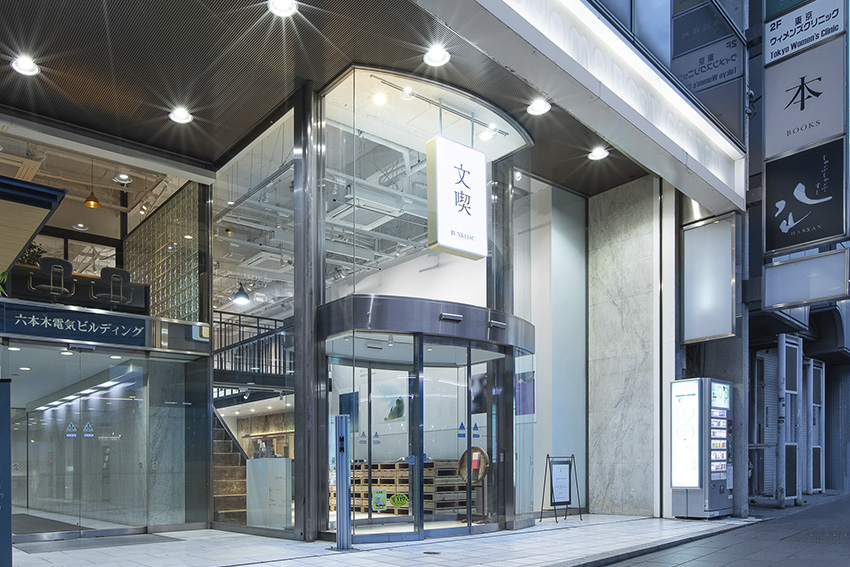
Oh, almost forgot: the name itself is worth noticing. Honbako means a kind of book box or book storage space, which gives the place a quiet, intimate feeling. It sounds almost old-fashioned, in a good way. That matters, because Japanese book culture often balances modern retail logic with age-old habits of care. Classic Japan, isn’t it?
And that balance is exactly why Hakone Honbako feels more than just a clever concept. It’s a reminder that bookstores can still be cultural spaces, not only sales spaces. They can shelter you from the rush, even for one afternoon. From my experience, those are the places you remember longest.
What I especially like is that Nippan is not treating books as relics. It’s treating them as living content, something that can shape an entire stay. That feels smart, but also generous. This is my absolute hidden gem!
If you want to keep uncovering stories like this, more Japan news on jpnerd.com is a good place to start.
In pictures
Frequently Asked Questions
What is Hakone Honbako?
It is a book-centred accommodation and bookstore concept in Hakone, designed as a place to read, stay, and relax.
Who is Nippan?
Nippan is a major Japanese book distributor that plays a behind-the-scenes role in supporting bookstores and publishing.
Why is this concept important?
It shows how a bookstore can become a retreat, not just a retail space, and it reflects Japan's strong reading culture.


