
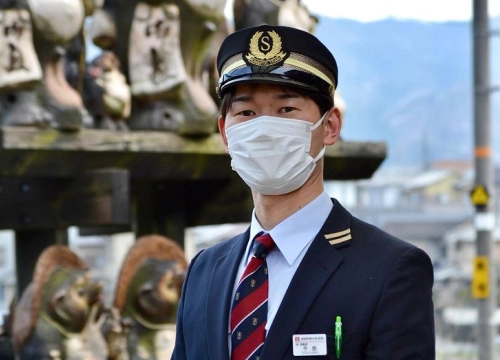
My tip: don't just think in terms of getting from A to B. On these lines, the ride is the story, and the landscape changes fast enough to keep your camera busy the whole way.
Sagano Scenic Railway: Kyoto's little time machine
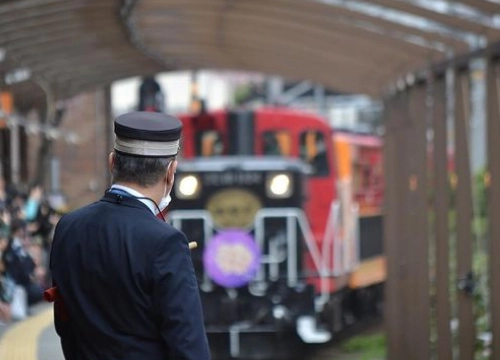
Picture this: you leave central Kyoto, and within minutes the city noise fades into riverbanks, forest, and old-school rail nostalgia. The Sagano Scenic Railway, often called the Torokko line, runs 7.3 km between Torokko Saga and Torokko Kameoka along the Hozugawa River valley, and the full ride takes about 25 minutes. It's a small route, but it packs a lot in, especially in spring cherry blossom season and during 紅葉 (koyo, autumn foliage), when the hills turn red and gold.
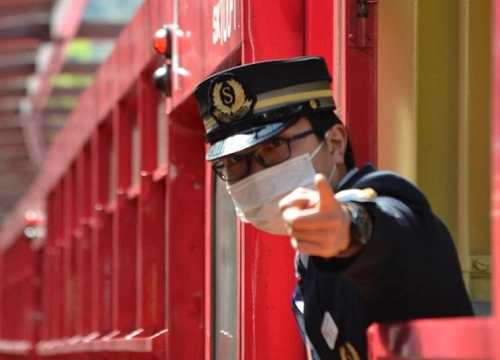
Take the train, for instance. The cars are open-air style, so you feel the breeze, hear the river, and notice every curve. That makes it very different from the sleek 新幹線 (shinkansen, bullet train / high-speed train) experience, and honestly, that's the charm. If you're learning Japanese, this is a good place to pick up simple travel vocabulary too, like 電車 (densha) for train, 切符 (kippu) for ticket, and 風 (kaze) for wind. No joke: once you start linking words to real places, they stick better.
Why Japan fans love it
The reason is simple: this is Kyoto with the volume turned down. You can connect the ride with a walk through Arashiyama, a stop near Togetsukyo Bridge, or a boat trip on the Hozugawa if you want a full half-day plan. The route is short enough to fit between temple visits, but scenic enough to justify planning around it. Highly recommended: book ahead in busy seasons, because the best window seats go fast. But that's not all.
Hakone Tozan Railway: switchbacks, steam, and mountain moods
Trust me on this one: if you like mountain railways, Hakone Tozan Railway is one of the most satisfying rides in Japan. The line runs from Odawara to Hakone-Yumoto and on to Gora, and it climbs steep grades through forest, tunnels, and steep valleys using switchback sections on part of the route. The current line opened in stages from 1919, and the engineering still feels clever today.
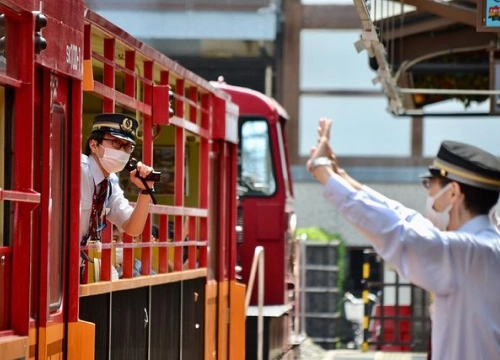
What I especially like is how the ride changes with the weather. In rain, the mountains look misty and old-fashioned. On clear days, you get wide views and a strong sense of elevation, especially when the train slows for the switchbacks. Compared to back home, many rail trips feel like transit. This one feels like a scenic attraction in its own right, and it's easy to pair with a ryokan stay, an onsen soak, or a lake cruise on Ashi. Wait, there's more.
How to plan it like a local
Pro tip: use Hakone Yumoto as your base if you want an easy overnight trip from Tokyo. From there, you can ride up to Gora, transfer to the Hakone Ropeway, and build a classic loop that also includes Owakudani and Lake Ashi. If you speak a little Japanese, you'll hear terms like 山 (yama) for mountain and 湯 (yu) for hot water in station names and signage, and that little bit of language recognition makes the trip feel more connected.
Fun fact: the Hakone Tozan Railway is famous for hydrangeas in early summer, when the embankments bloom and the line turns into a moving flower gallery. It's one of those routes where timing matters, but even outside peak seasons, the ride has real atmosphere. Sounds good, right?
Kurobe Gorge Railway: the open-window ride through deep alpine scenery
No joke: the Kurobe Gorge Railway is the route I would pick if I had to choose just one dramatic mountain train in Japan. It runs through Kurobe Gorge in Toyama Prefecture, starting at Unazuki and heading toward Keyakidaira, with the full one-way ride taking around 80 minutes. The line was built for dam construction work in the 20th century, then opened to passengers in 1971, and it has become a classic autumn and spring destination.
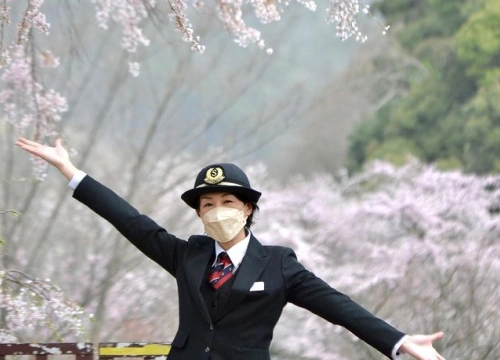



The trains use open-sided cars on some departures, which means you hear the river below, see the cliffs up close, and feel the scale of the gorge in a way you never could from a bus. And it gets better: there are bridges, tunnels, and views of emerald water that look almost unreal after rain. This is one of those places where the word densha feels too modest for what you're actually riding through. Classic Japan, isn't it?
Best time to go and what to expect
My tip: aim for late October to mid-November if you want koyo, because the valley colours are brilliant and the contrast against the dark rock is hard to beat. Spring is also strong, especially when the river is full and the forests are fresh green. Keep in mind that the route isn't a JR line, so you need a separate ticket, and the service is seasonal, usually operating from late April or May into November depending on the year. If you like rail photos, this is the route where patience pays off. Wait, there's more.
Tateyama-Kurobe Alpine Route: trains, cable cars, and high-altitude drama
Let's be honest: the Tateyama-Kurobe Alpine Route isn't one train line, and that's exactly why it deserves a place here. This is a mountain crossing between Toyama and Nagano that combines cable cars, trolley buses, ropeways, and walking sections, all linked by timed transfers. The full traverse is about 90 km, and the whole experience can take most of a day if you do it properly.
The route opened to the public in 1971, and it's famous for one thing above all else, the Snow Corridor at Murodo, where spring snow walls can reach around 20 metres in strong years. If you've only seen Japanese mountains from a train window in the lowlands, this route flips the whole perspective. You go from lakes and valleys to near-alpine terrain fast, and the logistics become part of the adventure. Take it as a rail-and-ropeway pilgrimage, not just transport. Not bad, right?
How to make the most of the crossing
Start early, and don't rush the transfer points. Murodo is the highlight for many travellers, but the Kurobe Dam stop also deserves time because the scale is enormous, and the views from the dam crest are unforgettable. If you're a Japanese learner, this is a good chance to notice practical travel language like 乗り換え (norikae, transfer / change trains) for transfer and kankou for sightseeing in station signage and route maps. My tip: go from Toyama to Omachi if you want a natural west-to-east progression, then stay overnight in Matsumoto or Nagano after the crossing. That makes the long travel day feel balanced, and you'll enjoy the mountain scenery without clock-watching. Sounds good, right?
What ties all four routes together is that they reward curiosity more than speed. The JR Pass is useful, sure, but these journeys show another side of Japan rail travel, one where local operators, mountain grades, and seasonal scenery matter more than efficiency. If you're building a Japan trip around trains, this is where the rail fan part of your brain gets very happy.
For more Japan travel ideas and language-friendly trip planning, check out more Japan news on jpnerd.com.
Not sure whether a JR Pass beats single tickets for your route? Our JR Pass Calculator works it out for you, and the JR Pass guide explains what the pass covers. You can also book Shinkansen tickets on Klook (Ad) in advance.
In pictures
Frequently Asked Questions
Are these routes covered by a standard JR Pass?
Not all of them are. Several require separate tickets or operate outside the JR network, so always check before you go.
Which route is best for cherry blossoms?
The Sagano Scenic Railway is a strong pick in spring, especially when the Kyoto hills are in bloom.
Which route is best for autumn colours?
The Kurobe Gorge Railway is one of the strongest options for late autumn scenery.


