
If you love Japan for craft, language, and place, this is a great one to bookmark. It’s not just about pottery, it’s about how a town, an onsen, and a way of thinking have grown together for centuries.
Nagato Yumoto Onsen, where the story starts
Did you know that Nagato Yumoto Onsen has been a spa town for around 600 years? It sits in Nagato, Yamaguchi Prefecture, and it’s long been a resting place for travellers, temple visitors, and anyone who needed a slower pace. That atmosphere matters, because 萩焼 (Hagi-焼き (yaki, ware; pottery), Hagi ware; Hagi pottery) doesn’t feel like a separate attraction here, it feels like part of the town’s breathing.
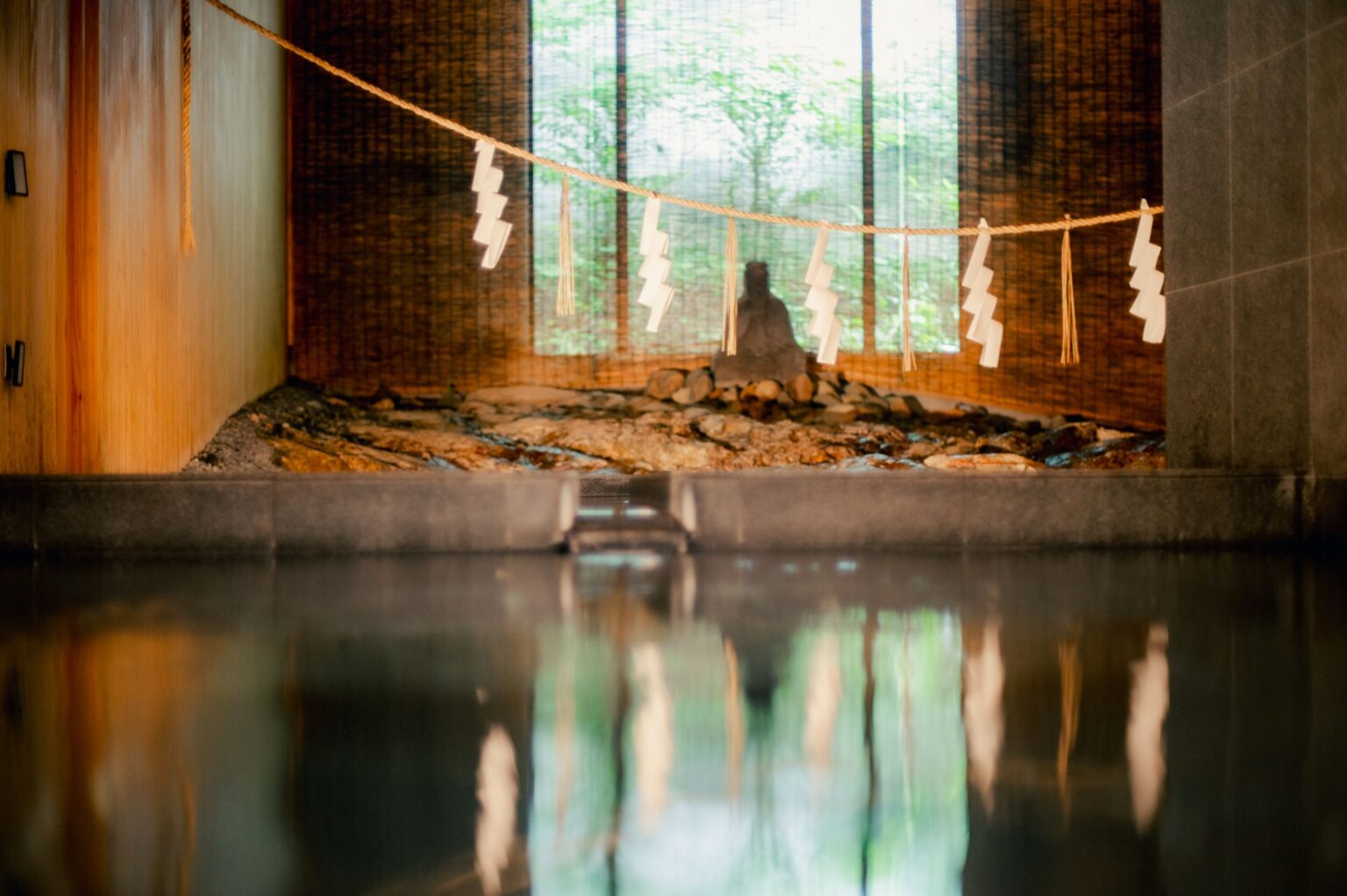
The waters of an onsen town and the texture of handmade clay are an oddly perfect match. While we’re at it, the whole area around Yumoto has been carefully renewed in recent years, but it still keeps that low-key ryokan, river, and footbath feel that Japan fans are always hoping to find. No wonder, because places like this let you notice the small things: a tea bowl, a crack in the glaze, the steam rising in the evening. Sounds good, right?
360 years of Hagi-yaki history in Yamaguchi
Let me show you why Hagi-yaki matters so much. The pottery tradition began in the early Edo period, around 1604, when craftsmen connected to the Mouri domain brought Korean pottery techniques into what is now Hagi and Nagato. That makes the tradition roughly 360 years old, and it has stayed alive through war, changing taste, and modern industry.
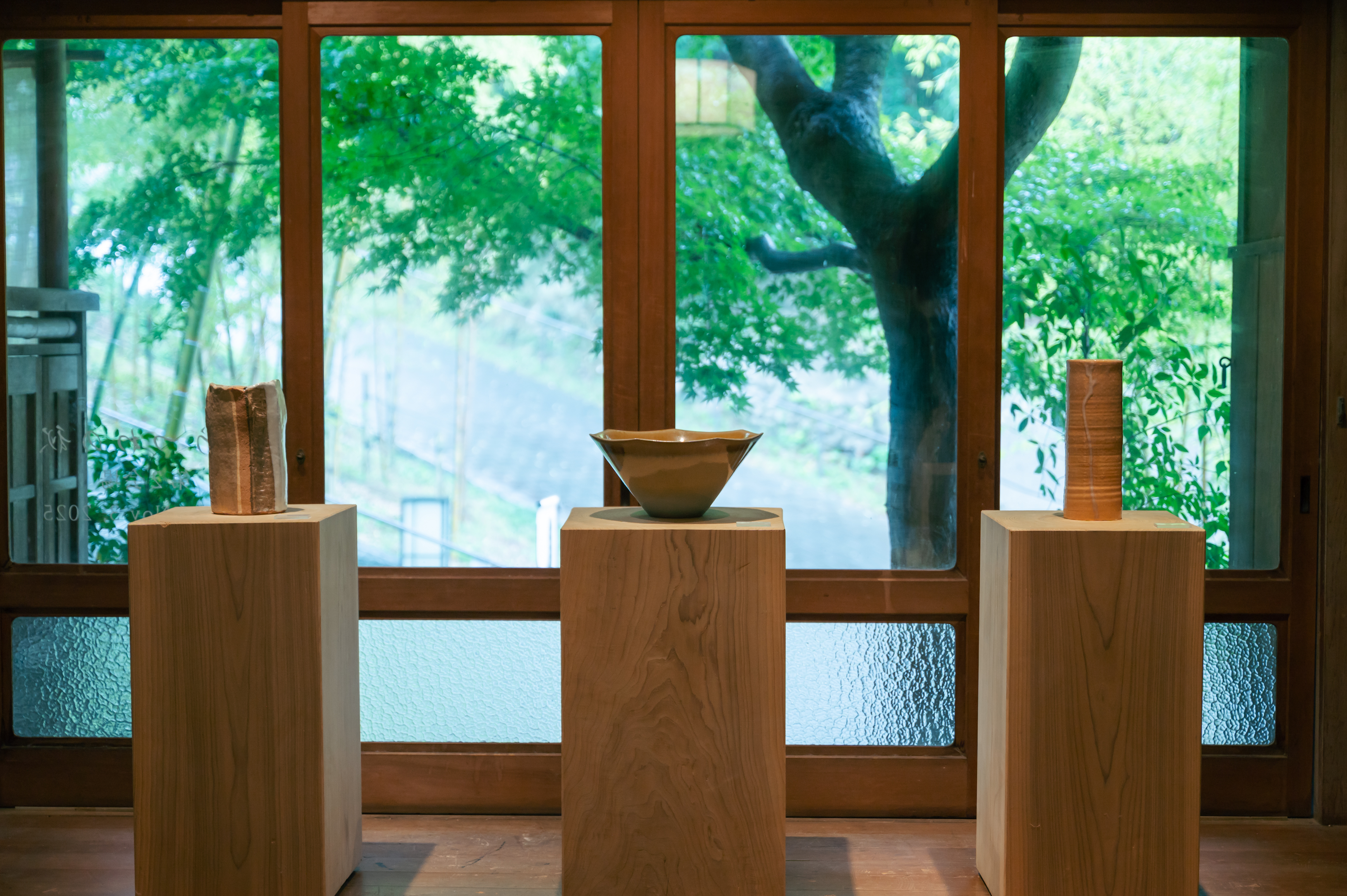
Hagi-yaki is known for its soft, warm look, often in muted whites, greys, pinks, and earthy browns. The clay has a high iron content and a slightly porous texture, so the glaze absorbs tea and time. Over the years, the surface changes, and that slow transformation is part of the charm. On the flip side, if you want shiny perfection, Hagi-yaki may not be your thing. If you like objects that age with use, it’s hard to beat.
From tea culture to everyday life
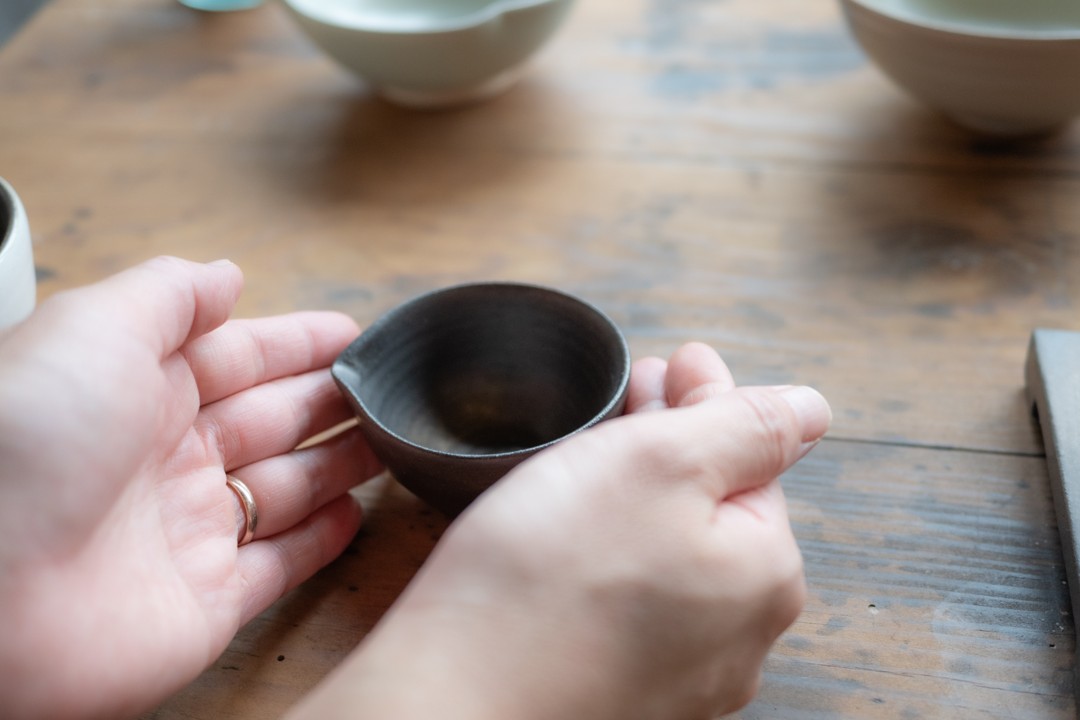
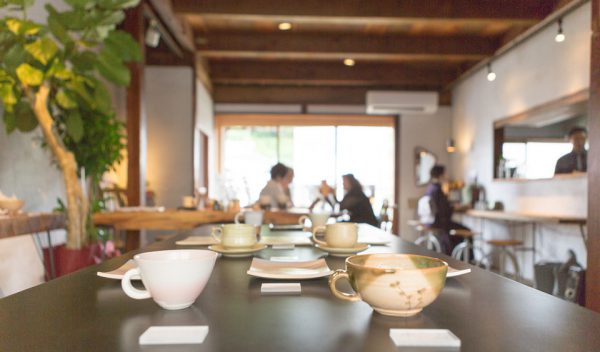
Hagi-yaki became closely linked to 茶の湯 (chanoyu), the Japanese tea ceremony. Tea bowls, or 茶碗 (chawan), are where many fans first meet this style, and that makes sense. The cups feel grounded, quiet, and easy to hold, with a slight irregularity that makes them feel human rather than industrial.
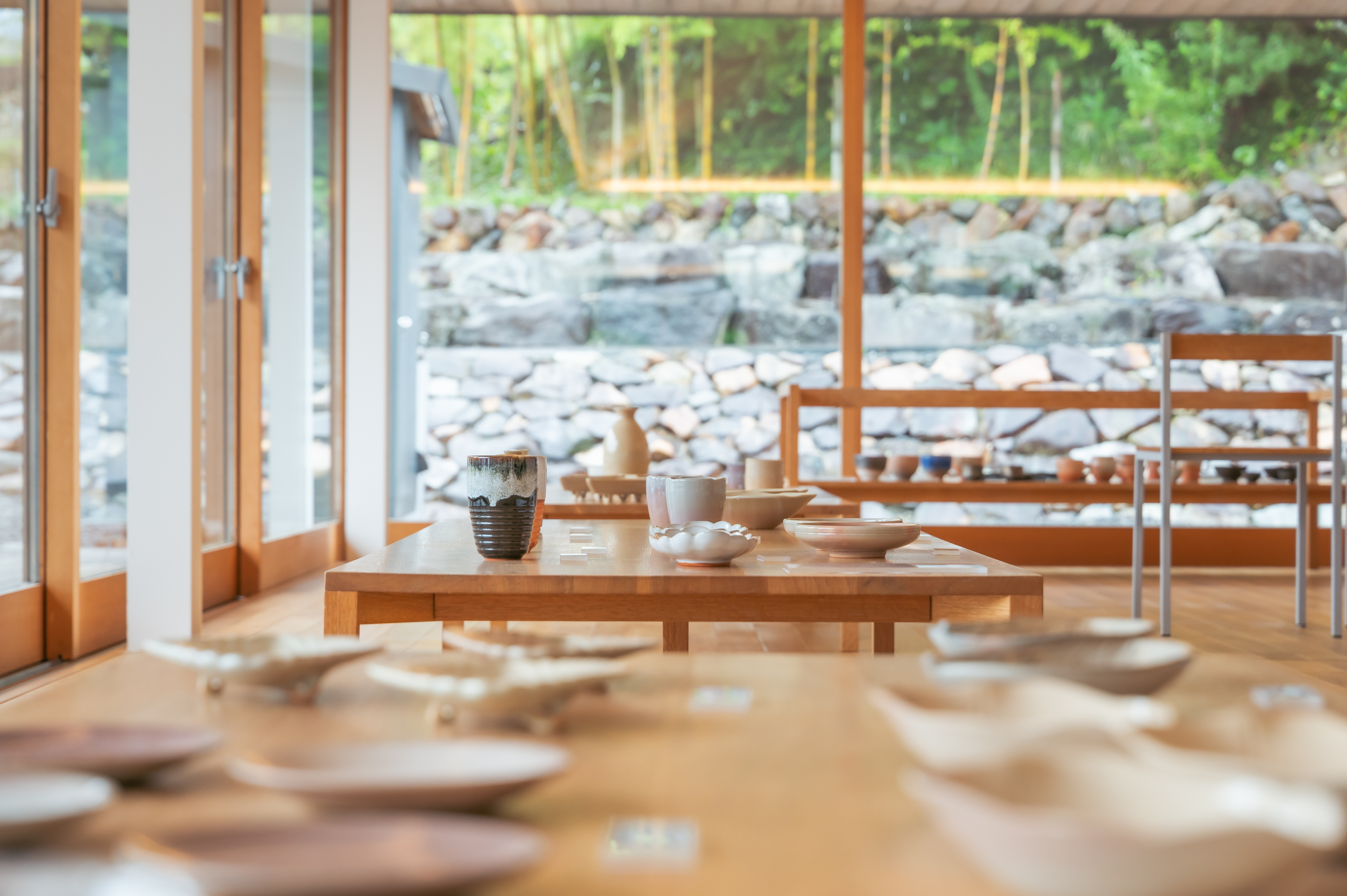
To be fair, this isn’t just museum history. Hagi-yaki still appears in local studios, shops, and workshops, and the skills are passed down through families and apprentices. That’s why the tradition doesn’t feel frozen. It keeps working, in real time, with real hands. But that’s not all.
Wabi-sabi and the living craft of Hagi-yaki
Picture this: a tea bowl from Hagi-yaki on a wooden table, a crackle line running across the glaze, and a cup of green tea cooling beside it. That image explains 侘び寂び (wabi-sabi, beauty in imperfection) better than a dictionary ever could. Wabi-sabi is often described as beauty in impermanence, imperfection, and simplicity, and Hagi-yaki is one of the best-known ceramic expressions of that idea.
What I especially like is that Hagi-yaki doesn’t try to impress you immediately. It grows on you. The clay body softens with use, the glaze changes colour over time, and each piece starts to carry traces of the owner’s life. That’s why collectors and tea people keep coming back to it, not for polish, but for character. Not bad, right?
Words worth knowing if you study Japanese
If you are learning Japanese, Hagi-yaki gives you a nice cluster of useful words. Hagi means the place name Hagi, yaki means ware or pottery, onsen means hot spring, chawan means tea bowl, and wabi-sabi is a cultural concept you’ll hear often in art, design, and travel writing. My tip: learn these together, because they naturally show up in the same conversations about Japan.
And here’s the catch: wabi-sabi is easy to admire, but harder to describe in one clean sentence. The more you see it in pottery, gardens, architecture, and even food presentation, the more it starts to make sense. That is exactly why a place like Nagato Yumoto is such a good classroom for Japan fans.
Why Nagato Yumoto is the right place for Hagi-yaki
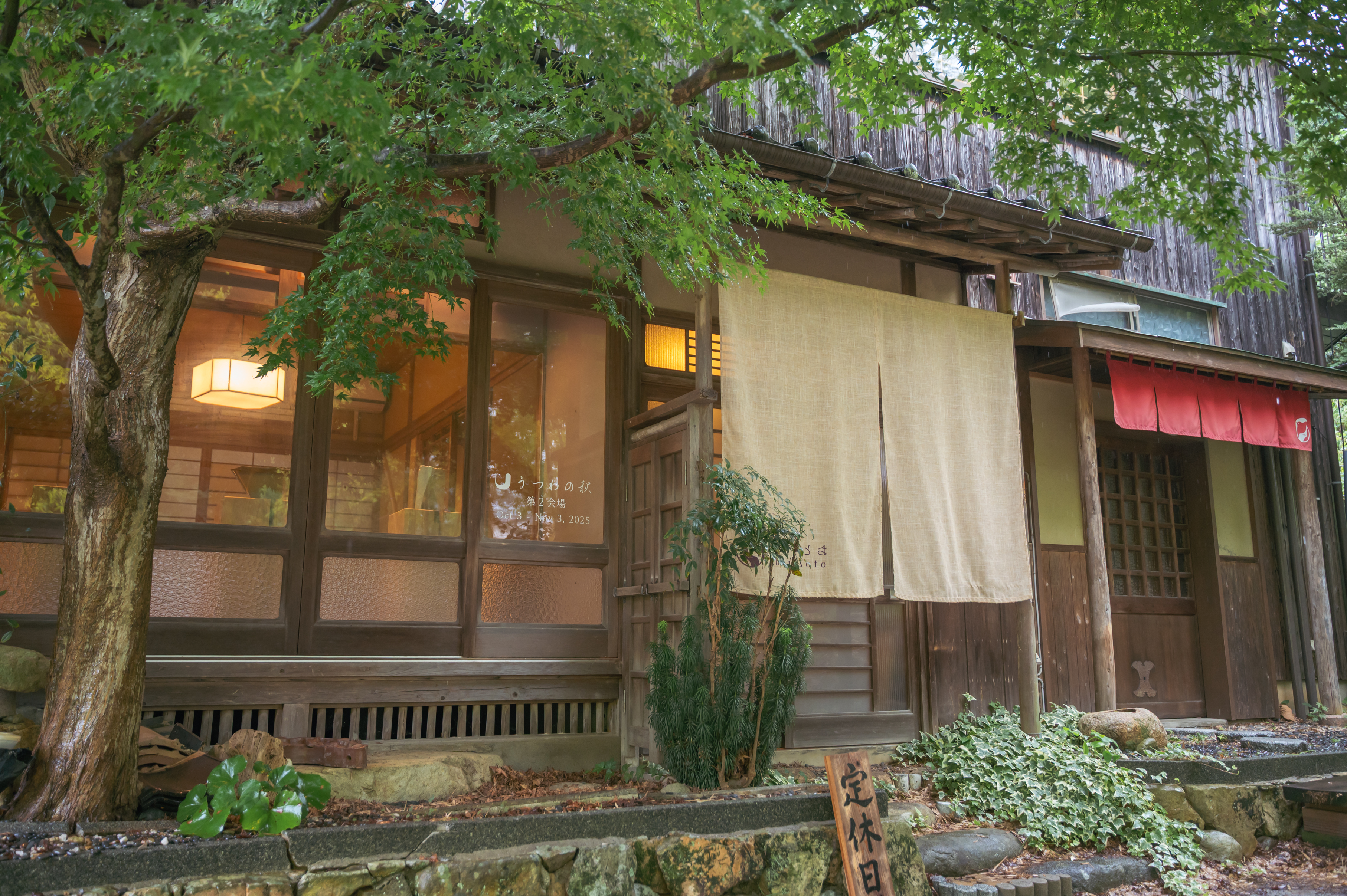
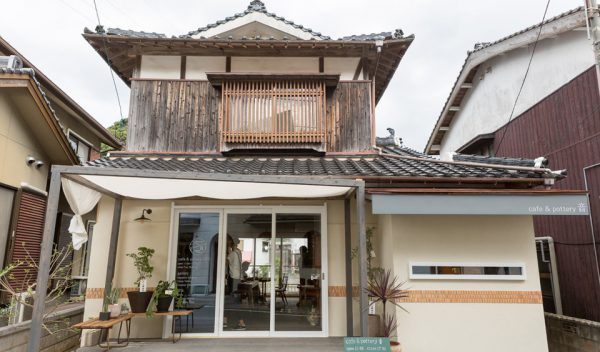
Did you know that location can change how you understand craft? In Nagato Yumoto, Hagi-yaki isn’t displayed as a distant heritage object, it’s woven into a living travel experience. You can soak in the onsen, walk the town, visit nearby workshops, and then look at a tea bowl with fresh eyes, because the setting teaches you how to slow down.
Insider tip: if you are in Yamaguchi, try pairing a visit to a pottery studio with a stop at a local cafe or ryokan that serves tea in handmade ceramics. The difference between a mass-produced cup and a Hagi-yaki chawan becomes obvious fast, especially when you actually use it. See what I mean?
For Japan enthusiasts, that is the real appeal. Hagi-yaki is not only about technique, and Nagato Yumoto is not only about bathing. Together, they show how craft, place, and daily life can support each other for centuries. That kind of continuity is rare, and it feels very Japanese in the best possible way. But that’s not all.
In pictures
Frequently Asked Questions
What is Hagi-yaki?
Hagi-yaki is a traditional Japanese pottery style from Yamaguchi Prefecture, known especially for tea bowls and soft, earthy glazes.
Why is it linked to wabi-sabi?
Because its simple shapes, natural clay, and changing surface over time reflect the beauty of imperfection and age.
Can visitors experience it in Nagato Yumoto?
Yes, the town is a good base for exploring local pottery, onsen culture, and the wider Hagi-yaki tradition.


