I also slipped Kobe into the route, because once you’re moving around Kansai, it makes sense to use the rail network smartly and not waste a day backtracking. Hand on heart: the holiday crowds are part of the story here.



Why Golden Week changes the whole trip
Golden Week is one of Japan’s biggest holiday periods, usually stretching from late April into early May, and that changes everything about travel. Trains fill up fast, popular spots get busy early, and even simple things like finding lunch can take longer than you expect.
What most people don't know is that the pressure isn’t just at the main sights, it’s on the entire chain, from ticket machines to station platforms to hotel check-in lines. If you plan Kyoto and Nara in 72 hours, you’re not just planning sightseeing, you’re planning timing, stamina, and a little bit of patience. Sounds good, right?
Kyoto in 72 hours: temples, alleys, and early starts
Kyoto was my first stop, and I’d strongly recommend arriving with an early-morning mindset. The city rewards people who start before the tour buses fully wake up. No joke: even a place as famous as Fushimi Inari feels calmer at sunrise, and walking under those vermilion 鳥居 (torii, shrine gate) gates before the crowds arrive is simply brilliant.
Day 1: Higashiyama, Gion, and a proper first impression
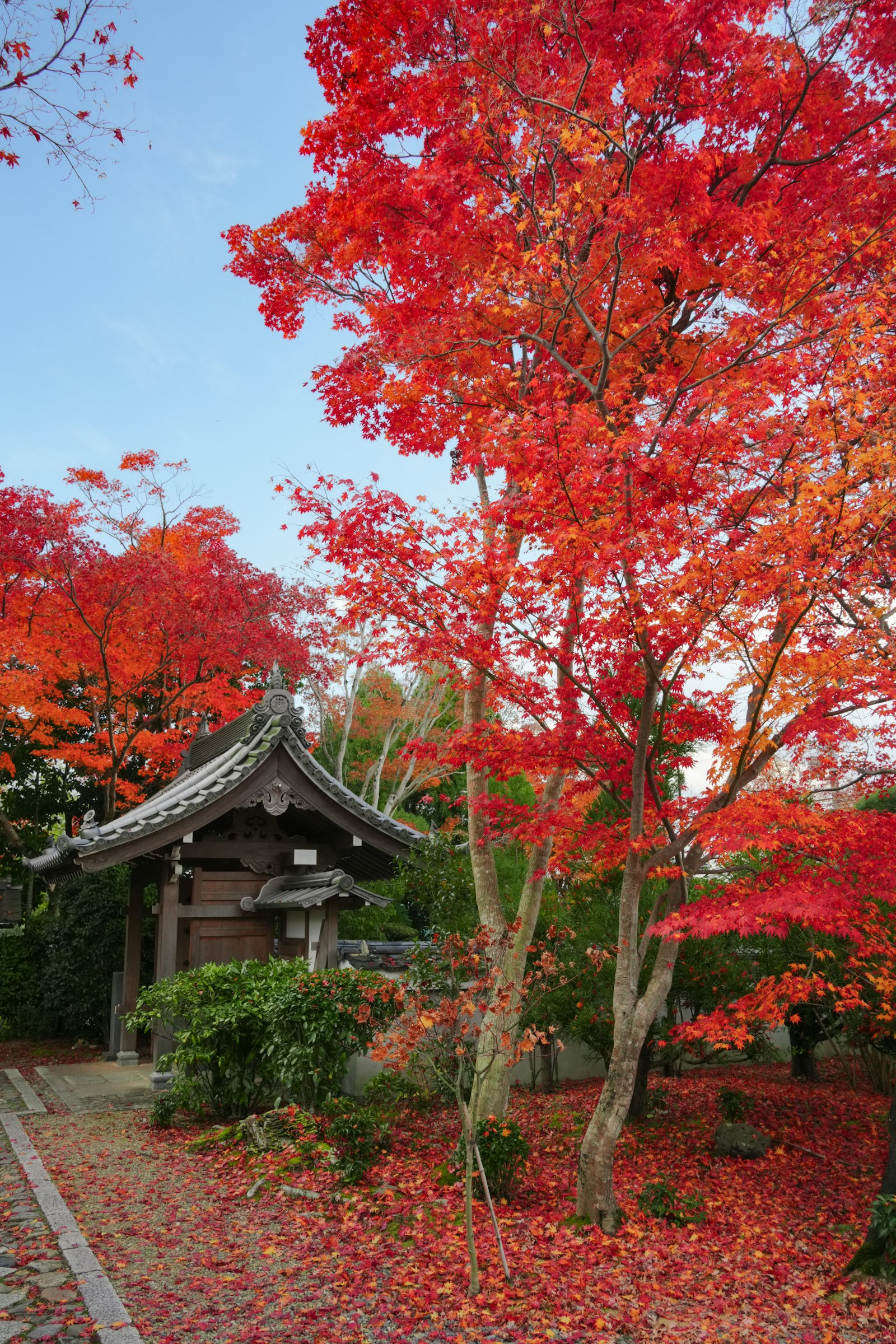
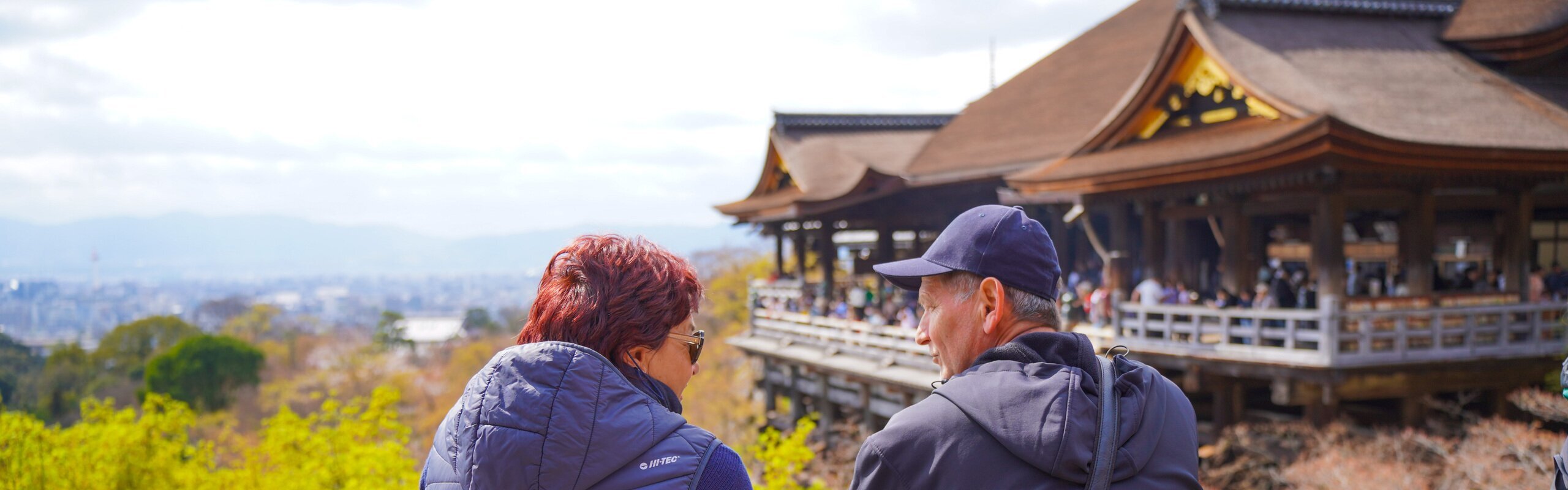
On the first day, I focused on Higashiyama, because it gives you that classic Kyoto blend of old streets, tea houses, and shrine culture in one compact area. Kiyomizu-dera is the obvious anchor, and from there you can wander down Sannen-zaka and Ninen-zaka, where the preserved lanes make every turn feel photogenic without trying too hard.
That reminds me: this is also one of the best places for Japan learners to pick up travel vocabulary in context. Words like 道 (michi, road; path), 神社 (jinja, Shinto shrine), お寺 (otera, Buddhist temple), and お土産 (omiyage, souvenir) appear naturally in signs and shop talk, so you’re learning while you move. If you’ve ever wanted your Japanese study to feel less like a workbook and more like a real trip, Kyoto makes that easy. See what I mean?
Day 2: Arashiyama and the north side
By day two, I went west to Arashiyama, where the bamboo grove still pulls crowds, even when everyone swears they’re “too travel-savvy” for it. On the flip side, the real value isn’t just the grove, but the area around it, Togetsukyo Bridge, the river views, and the slower pace once you step away from the main stream of visitors.
The reason is simple: Kyoto works best when you stop trying to conquer it. Spend time at one temple, one garden, one neighbourhood coffee shop, and one train line. If you squeeze too much in, the city starts feeling like a checklist, and that’s not Kyoto at all. What I especially like is how a short break over 抹茶 (matcha, powdered green tea) can reset the whole day; sounds weird, but it's true.
Nara in 72 hours: quieter, older, and easier to read
After Kyoto, Nara felt like the deep breath I needed. It’s only about 45 to 50 minutes from Kyoto Station by train, depending on the connection, so it fits beautifully into a three-day Kansai route. No exaggeration: the change in pace is immediate the moment you step closer to Nara Park.
Day 3 morning: deer, Todaiji, and open space
Did you know that Nara was Japan’s capital in the 8th century, when it was called Heijo-kyo? That old capital feeling is still there, especially around Todaiji and Kasuga Taisha. Todaiji’s Great Buddha Hall is enormous, and the scale hits you before the details do, while the deer in the park add a strange, charming layer to the whole scene.



My tip: don’t treat the deer like a gimmick. They’re part of the atmosphere, and it works best when you move slowly, keep your snacks away, and enjoy the contrast between the lively park and the solemn temple grounds. Classic Japan, isn't it?
Learning Japanese in Nara
Know that feeling when you want to study Japanese but your brain refuses another grammar chart? Nara is good for gentle, real-world practice. Read signs, listen to announcements, and notice how often place names and shrine terms repeat. Even basic expressions like すみません (sumimasen, excuse me; sorry) and arigato come up constantly, because you’re interacting with staff, ticket gates, and other visitors all day.
On a related note: this is where the trip stops being just sightseeing and starts becoming memory work. The words stick because they’re tied to places, sounds, and small moments, not flashcards. Wait, there's more.
Why Kobe fits neatly into the route
Kobe doesn’t need a full day here, and that’s the point. I used it as a practical stop for food and movement, because the city sits comfortably within the wider Kansai travel web. If you’re already thinking in train lines instead of city borders, Kobe becomes a smart half-step between bigger sightseeing blocks.
The harbour area, the western-style streets, and the reputation for beef make Kobe an easy reward stop after temple-heavy days. Hand on heart: I wouldn’t build a whole Golden Week itinerary around Kobe alone, but as a side note in a Kyoto-Nara trip, it adds balance and gives the journey a more lived-in feel. Sounds good, right?
My practical 72-hour Golden Week route
Here’s the rhythm that worked best for me: Kyoto on arrival and the next full day, Nara for the final morning and early afternoon, then Kobe as the flexible add-on if your train times and energy allow it. That keeps the itinerary realistic, especially during Golden Week, when delays, queues, and sold-out seats can make even short transfers feel bigger than they are.
If you want the smooth version, book accommodation near Kyoto Station or a major rail line, travel early, and keep one meal unplanned each day. That way, you’re not locked into a schedule that collapses the moment a shrine takes longer than expected. What most people don't know is that leaving room in the day is often what makes the trip feel richer, not emptier.
For more Japan travel context and language-friendly reading, check more Japan news on jpnerd.com. Sounds like a small thing, but it helps when you’re building a real sense of the country, not just ticking landmarks off a list.
Frequently Asked Questions
Is 72 hours enough for Kyoto and Nara?
Yes, if you focus on a few key areas and start early each day. It works best as a fast but satisfying Kansai trip.
Is Golden Week a bad time to travel?
Not necessarily, but it is busy. Book early, expect crowds, and keep your schedule flexible.
Why include Kobe in the route?
Kobe is a practical add-on for food and transport convenience. It fits well if you want one extra stop without overloading the trip.