
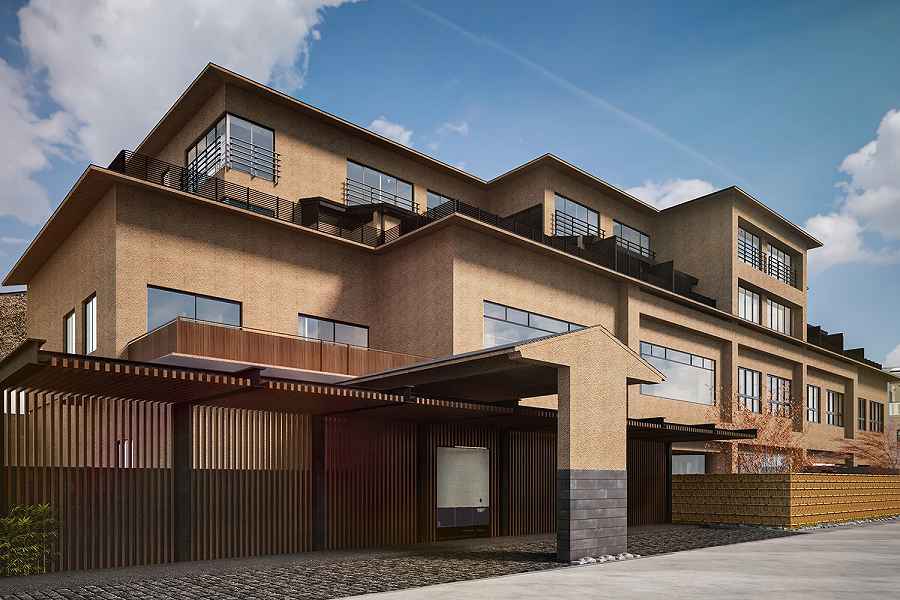
Grandvista Hotel & Resorts is behind the relaunch, so the project has real scale, not just nice branding. And if you’re learning Japanese, this is a handy case study in how one resort can mix place, language, and experience into something new.
Yoki Matsushima and the rebirth of Hotel Kaifuto
Yoki Matsushima is the new face of the former Hotel Kaifuto, and that alone tells you what’s happening here: a proper rebrand with a clearer story. Grandvista Hotel & Resorts is taking a property that already had a strong location in Matsushima and turning it into something that feels more tailored to today’s Japan travel crowd. Trust me on this one: in a place as photogenic as Matsushima, the right concept matters a lot. See what I mean?
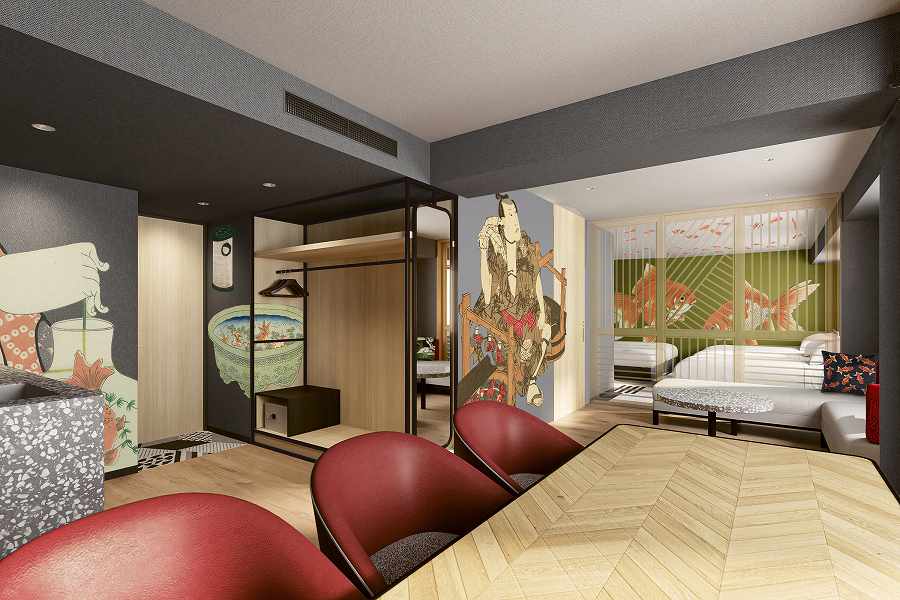
The big idea is simple. Keep the view, keep the hot spring appeal, and give the hotel a stronger identity through design and art. Sounds odd, but it’s true: a good hotel name can change how people imagine the whole trip. Yoki Matsushima sounds calmer, cleaner, and more destination-like than a generic old hotel label. That shift matters when travellers are choosing between dozens of ryokan, hotels, and resorts around Sendai and the Sanriku coast. Personally...
Why the name change works
What many overlook is that Japanese hotel branding often leans on place first, then the experience. Here, Yoki Matsushima puts the region front and centre, while still hinting at comfort and style. The old Hotel Kaifuto name may have served its purpose for years, but for a fresh audience, especially international visitors, the new branding is easier to remember and easier to search. Speaking of which... that’s a big deal for Japan fans who plan trips through Google Maps, travel sites, and social posts. But that’s not all.
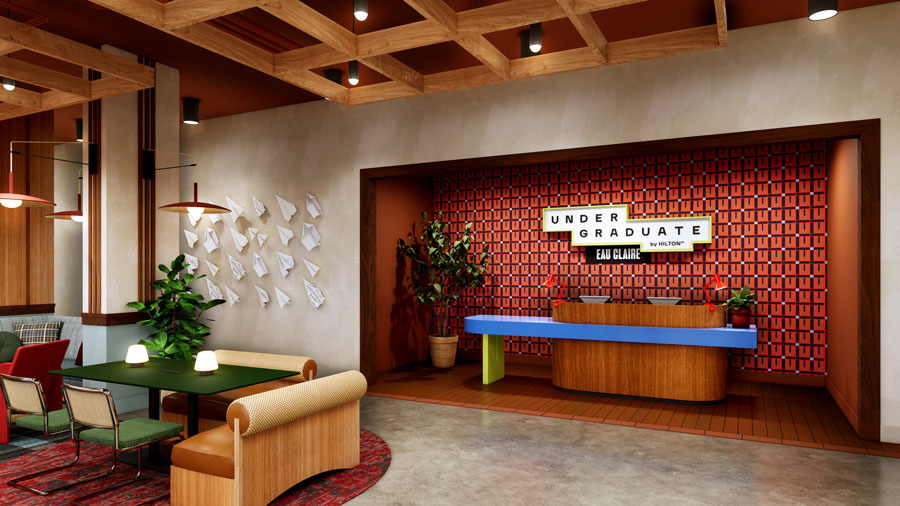
Matsushima Bay, sea views, and onsen hot spring water
Why does this location matter so much? Matsushima Bay is one of Japan’s famous scenic spots, known for its pine-covered islands and wide, restful coastal views. A stay here already has built-in appeal, because the landscape does half the work for you. Add onsen hot spring water, and the hotel suddenly stops being just a place to sleep. It becomes a reason to stay in Matsushima for a night or two instead of rushing through on a day trip. Wild, isn’t it?
For Japan learners, this is a nice vocabulary moment too. You’ll often hear onsen for hot spring baths, bay in the sense of scenic coastline, and 宿 (yado, lodging) for lodging in a broader travel context. If you’re reading Japanese travel blogs or hotel pages, these words come up constantly. Fun fact: hotels in scenic regions often sell a mix of view-based and bath-based value, because Japanese domestic travel still cares deeply about both relaxation and atmosphere. No joke:
What travellers are really buying
At Yoki Matsushima, the promise isn’t only a bed, it’s mood. Sea air, bathing, and a quieter pace are part of the product. That’s exactly why places like Matsushima keep showing up in travel conversations, even when Tokyo, Kyoto, and Osaka get most of the spotlight. Compared with back home... many travellers are surprised that a hotel can market the view and the bath as strongly as the room itself. In Japan, that’s normal.




My tip: if you’re planning a trip to Miyagi, look at the hotel’s bath hours, room orientation, and whether the sea-facing rooms are actually worth the upgrade. In coastal stays, those small details can change the whole experience. And if you’re studying Japanese, try reading the hotel amenities list; you’ll pick up words like 化粧品 (keshouhin, toiletries) for toiletries and 個室 (koshitsu, private room) for private spaces. Small win, but a useful one. See what I mean?
Grandvista Hotel & Resorts and the art-design angle
A great example: when a hotel group takes over an older property, the easiest path is a cosmetic refresh, new logo, new photos, done. Grandvista Hotel & Resorts seems to be aiming a bit higher here. The art-design angle suggests a stronger visual identity, something that helps Yoki Matsushima stand out from the many midscale resorts around Japan’s coastal areas. While we're at it, that’s exactly the sort of move that can make a property more shareable on social media, especially if the interiors are built around clean lines, local colour, and photo-friendly spaces.
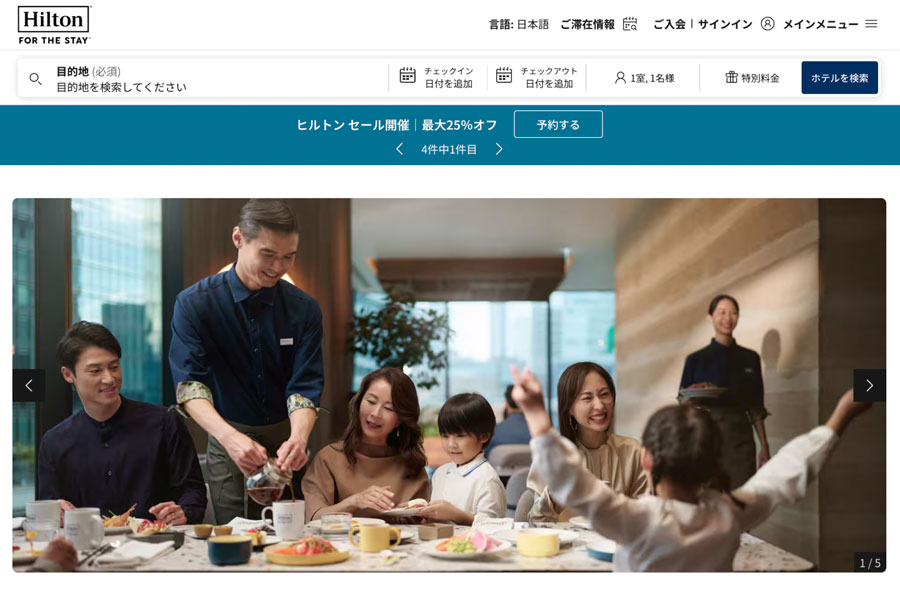
What I especially like is that this kind of rebranding can connect place and culture instead of hiding them. Matsushima already has a long reputation as a scenic destination, so a hotel doesn’t need to pretend it’s somewhere else. It can lean into the bay, the bathing culture, and the calm pace of a seaside escape. That feels more honest, and honestly, more memorable. Insider tip: travellers who like Japanese design will usually notice the small things first, the lobby art, the lighting, the materials, the way a corridor frames the sea. Those details stick. But that's not all.
Why this matters for Japan travel fans
For Japan fans, Yoki Matsushima is a neat example of how hospitality branding works in real life. A place can be technically the same building, yet feel completely different once the story changes. That’s useful to remember if you’re following hotel news, planning routes through Tohoku, or just collecting ideas for future trips. Speaking of which... if you’re learning Japanese, reading these hotel announcements is a great way to get used to names, place markers, and tourism language in context.
The bigger takeaway is that Matsushima still has room to evolve as a destination. Not every coastal resort needs flashy gimmicks, and this one doesn’t seem to be chasing that. Instead, it’s using what’s already there, the bay, the hot spring water, and a more polished design concept. That’s a smart combination, and it could make the former Hotel Kaifuto feel freshly relevant again. Personally...
In pictures
Frequently Asked Questions
What is Yoki Matsushima?
It is the new identity of the former Hotel Kaifuto in Matsushima, developed under Grandvista Hotel & Resorts.
Why is Matsushima a popular place to stay?
Matsushima is famous for its bay scenery, coastal atmosphere, and relaxing hot spring stays.
Is this relevant for Japanese learners?
Yes, hotel and travel news is a practical way to learn everyday vocabulary in real context.
For more Japan news and travel updates, visit more Japan news on jpnerd.com.


