
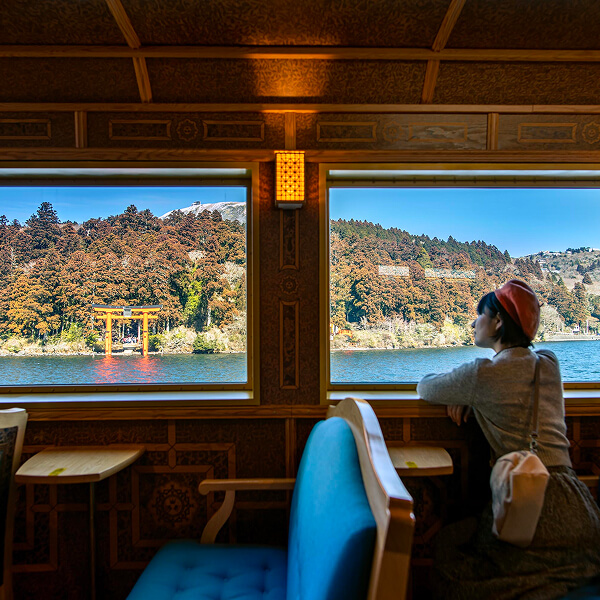
That’s especially true around Mt. Fuji, where weather shifts quickly, views come and go, and a cloudy morning doesn’t always mean a wasted day. Speaking of which, that’s exactly why a little flexibility can turn a so-so plan into a brilliant Japan travel memory.



May 25 forecast: cloudy in the morning, promising later
On May 25, the forecast around Hakone and Mt. Fuji looked shaky at first. Clouds were expected to sit low over the mountains, and for anyone chasing a clear Fuji view, that sounds like bad news. But the key detail was timing, because the weather windows in this region often change by the hour, not by the day.
Here's the kicker: in Hakone, a cloudy forecast doesn't automatically mean no view at all. It often means the opposite, if you know how to read the day. Morning mist can hang over Lake Ashi, then thinner cloud cover can break later, and suddenly the mountain line starts to appear. No joke: that late-day shift is one of the reasons experienced Japan travellers keep their plans loose. Convinced yet?
Mt. Fuji views from Hakone: why the afternoon often wins
Mt. Fuji is famous for being a bit of a diva. Some days it's out in full glory, some days it hides behind a curtain of cloud, and some days it appears only for ten minutes, then vanishes again. That’s why locals and regular visitors watch not only the forecast, but also the wind, humidity, and visibility after midday.
My tip: if you want better odds for a Fuji sighting from Hakone, aim for late morning into the afternoon rather than expecting magic at sunrise and calling it quits by lunch. From places like the Hakone Ropeway area, Owakudani, and viewpoints around Lake Ashi, the air can clear in a way that surprises first-time visitors. Classic Japan, isn’t it?
What to look for in the weather
Hand on heart: the most useful weather signs aren't just the cloud icons on your app. Watch for pressure changes, whether the cloud base looks high enough to lift, and whether the mountain is getting sharper against the sky as the day goes on. If you're using Japanese weather vocabulary, this is a great moment to learn 晴れ (hare, clear weather) for clear weather, 曇り (kumori, cloudy weather) for cloudy, and 霧 (kiri, mist; fog) for mist. Simple words, big travel impact.
Let's be honest: if your only plan is one exact photo at one exact hour, Hakone can be frustrating. But if you give the region a full day, the odds improve fast. That's why experienced travellers don't just ask, "Will Fuji be visible?" They ask, "When is the best window?" Wait, there's more.
Hakone tour planning: what actually works on a cloudy day
A good Hakone tour isn't built around one viewpoint, it's built around movement. The classic loop usually includes the Hakone Tozan Railway, a ropeway ride, the volcanic landscape around Owakudani, a cruise on Lake Ashi, and time for a shrine or onsen stop. If clouds block one part, another part may still deliver the view, the atmosphere, or both.



Oh, almost forgot: Hakone is also one of the easiest places to build a flexible day trip from Tokyo. You can leave Shinjuku in the morning, use a Hakone Freepass, and still have enough room in the schedule to wait for better conditions. That matters, because the afternoon surprise often happens after people who rushed through have already left.
Why timing matters so much
Most visitors are surprised by how much clearer the landscape can look after lunch. The cloud layer may rise, the rain may stop, and the air may get cleaner after a shower. If the morning was too dim for a clear Fuji outline, the afternoon can suddenly open up a dramatic mountain view, especially from higher ground. Insider tip: don't pack your camera away too early.
What I especially like is how this turns a potentially disappointing forecast into a more relaxed trip. You don't need perfect weather from start to finish, you need patience. In Hakone, patience often gets rewarded with one very good window. See what I mean?
The afternoon surprise: why cloudy forecasts can still be worth it
Imagine a narrow alley in Tokyo. It looks ordinary at first, then the light changes and the whole place feels different. Hakone works in a similar way, only on a bigger scale. A cloudy morning can make the lakeside moody and atmospheric, then the afternoon can deliver a crisp Fuji silhouette that feels earned rather than handed over.
That surprise is part of the appeal. You may not get the textbook postcard scene right away, but you do get a living landscape, one that shifts constantly. For Japan fans, that's the good stuff, because it feels less like checking a box and more like reading the day. Highly recommended: bring snacks, keep your transport flexible, and leave room for spontaneous stops.
No wonder, because the Hakone area sits in a complex mountain basin, and weather there can vary block by block. If you're planning for Japanese learning as well as travel, this is a great chance to practice location words like 山 (yama, mountain) for mountain, 水 (mizu, water) for water, and 道 (michi, road; path) for road, while you move through the scenery. That kind of real-world vocab sticks better than flashcards. Wait, there's more.
Frequently Asked Questions
Is a cloudy forecast a bad sign for Hakone?
No. In many cases, clouds clear later in the day and the afternoon becomes better for views.
What is the best time to see Mt. Fuji from Hakone?
Late morning to afternoon is often the best window, especially when the weather is changing.
Can I still enjoy a Hakone tour without a perfect Fuji view?
Yes. The ropeway, Lake Ashi, Owakudani, and the hot spring atmosphere make the trip worthwhile on their own.


