
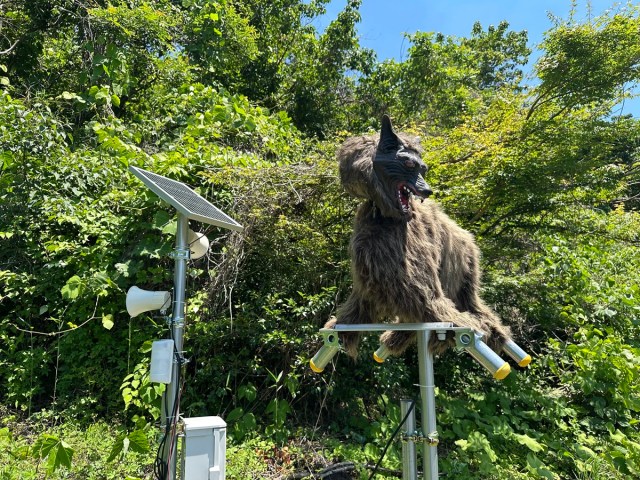
What caught my eye is the mix of contemporary art and old ritual energy. Classic Japan, isn’t it?
MATSURI INORU at Spiral Garden: ritual, festival, and art
If you’re drawn to Japanese culture, 祭り (matsuri, festival) 祈る (inoru, to pray) is the kind of exhibition that gets your attention fast. It opens at Spiral Garden in Tokyo and runs from 2026.06.08 to 2026.08.02, which gives visitors a full summer window to experience it. That timing matters, because summer in Japan already has a strong festival mood, from 花火 (hanabi, fireworks) nights to neighbourhood matsuri.
Spiral Garden is the right setting for this kind of project. The space has long been known for blending art, design, and daily life, so a show built around ritual and celebration feels very natural there. No joke: that combination can make an exhibition feel less like a museum stop and more like a living cultural moment.
Why the matsuri concept matters
Ever wondered why matsuri keep showing up in Japanese art, fashion, and design? The reason is simple: matsuri aren’t just parties, they’re deeply tied to local identity, seasonal change, shrine culture, and shared memory. A festival can be loud and playful, but it can also be a form of inoru, a prayer or wish, which is exactly where this exhibition gets its strength.
MATSURI INORU uses that tension between joy and devotion. On the other hand, many people outside Japan only picture matsuri as 太鼓 (taiko, Japanese drum) drums, 浴衣 (yukata, summer kimono), and food stalls. That’s part of it, sure, but the deeper layer is the sense of community, offering, and renewal. When an exhibition brings those ideas into an art space, it gives visitors something more reflective than a simple seasonal display.
Japanese learning angle: useful words around the exhibition
While we’re at it, this is a nice chance for Japanese learners to pick up a few words that fit the theme. Matsuri means festival, inoru means to pray, and kazei? No, not here, that’s not the word you want. If you want to talk about the exhibition itself, use 展覧会 (tenrankai) for exhibition, and bijutsu for art.
My tip: try using these words in simple sentences when you study. For example, “Kono tenrankai wa matsuri no yōso ga aru” means “This exhibition has festival-like elements.” It’s a practical way to connect vocabulary with real cultural events, and that always sticks better. It’s well worth learning words through actual Tokyo exhibitions, not just textbook lists. And that’s not all.
Spiral Garden and the Tokyo exhibition scene
Picture this: you step into Spiral Garden in summer, and the atmosphere already feels charged. Tokyo does this well. A strong exhibition can sit right beside the city’s everyday rhythm, and suddenly the visit feels personal, not staged.
Spiral itself has a reputation for supporting art that crosses boundaries, and that’s why a project like MATSURI INORU makes sense there. On a related note, the venue’s location in Tokyo also makes it easy to combine with a day in Aoyama or Omotesando. If you’re planning a culture-heavy trip, this kind of stop is gold.
What to expect from a ritual-themed exhibition
Based on the concept alone, visitors should expect visual references to ceremony, seasonal symbols, and perhaps installations that suggest movement, offering, or procession. These themes often appear in Japanese contemporary art, where old forms are reworked rather than copied. That’s the interesting part, really.
By the way: if you’ve been learning about shinto, you’ll probably notice echoes of shrine aesthetics, purification, and the idea of a shared communal space. Even if the exhibition isn’t religious in a strict sense, it can still borrow the feeling of ritual. That gives it weight, and it makes the title MATSURI INORU feel carefully chosen.
Why Japan fans should put this on their radar
For Japan fans, MATSURI INORU is more than a date on the calendar. It’s a chance to see how a familiar cultural form, the matsuri, can be interpreted through art instead of street celebration. I especially like exhibitions that make you think about why Japanese traditions still matter in modern city life.
Oh, almost forgot: the fixed run time, 2026.06.08 to 2026.08.02, is a big plus for planning. You don’t have to guess when it’s on, and summer travel in Tokyo can be packed, so a clear exhibition window helps. If you’re building a Japan itinerary around culture, this is my absolute hidden gem! Wait, there’s more.
The real appeal here is that MATSURI INORU sits at the crossroads of art and lived Japanese tradition. It’s not just about looking at objects, it’s about feeling a cultural idea in space. For learners of Japanese, that’s also a reminder that language and culture move together, and matsuri vocabulary often opens the door to richer conversations. Personally...
Frequently Asked Questions
When does MATSURI INORU run?
It runs from 2026.06.08 to 2026.08.02.
Where is the exhibition held?
It is held at Spiral Garden in Tokyo.
Is this more of an art event or a cultural event?
It is both. The concept connects contemporary art with ritual and festival culture.


