.jpg)
And yes, Sayuri Yoshinaga is the one playing her, which already tells you this is a production with serious weight. Mount Fuji naturally sits close to the centre of the story, because some Japanese lives are best understood with a mountain in the frame.
Junko Tabei on film: why this story matters
Junko Tabei on film isn’t just a casting announcement, it’s a reminder that some lives keep being retold because they still mean something now. Tabei was the first woman to reach the summit of Mount Everest, on 16 May 1975, and she later became the first woman to complete the Seven Summits, the highest peaks on each continent. Those are the headline facts, and they’re plenty large enough on their own.
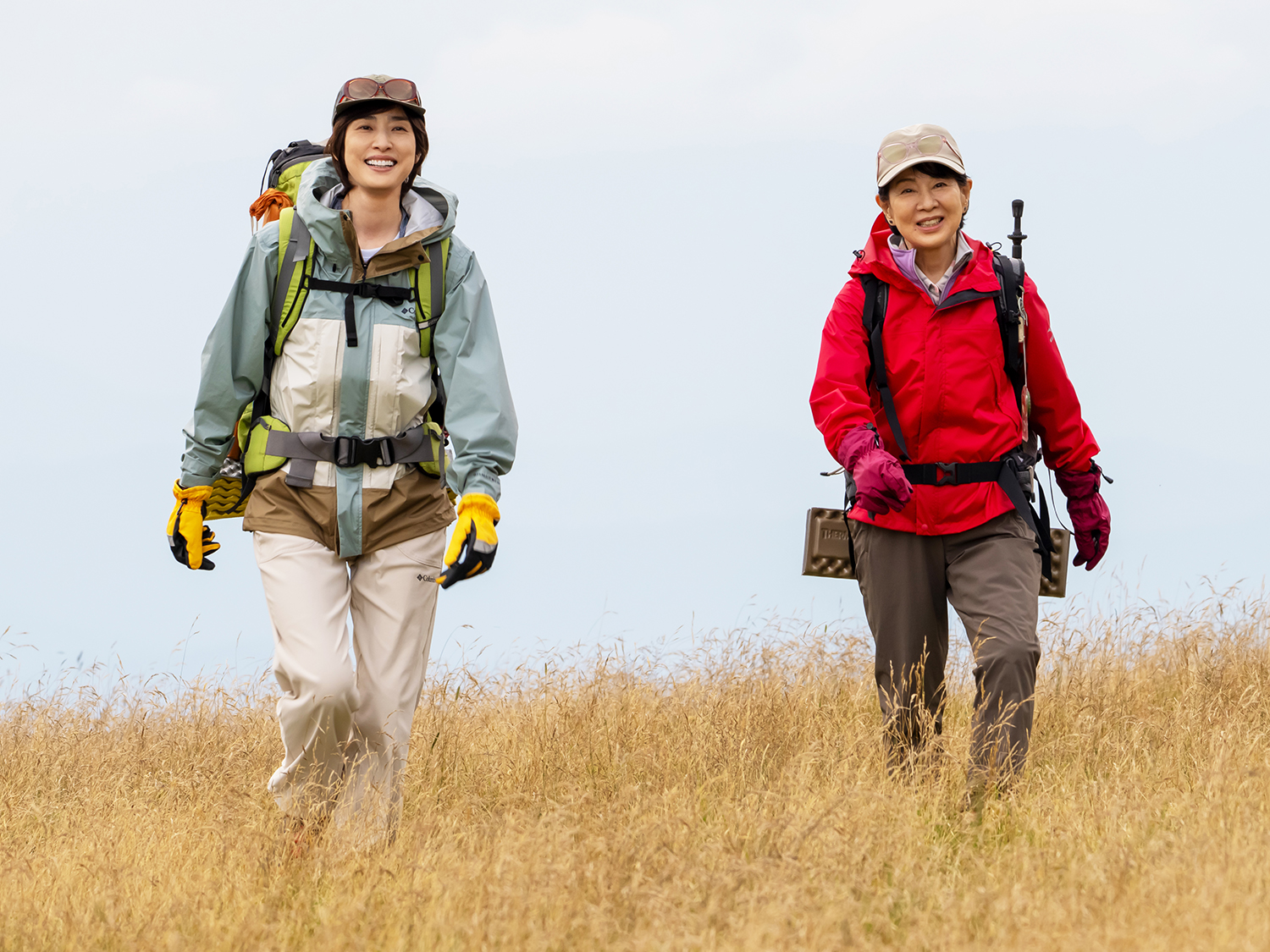
But the film angle gives us a second layer. Film does what biography sometimes can’t, it turns a life into image, rhythm, and memory. So, what exactly happens when one of Japan’s best-known climbers is reimagined on screen? And why does Mount Fuji keep appearing in conversations about her, even when Everest is the mountain that made her globally famous? See what I mean?
Sayuri Yoshinaga plays Japan’s legendary climber
Hand on heart: casting matters here. Sayuri Yoshinaga is one of Japan’s most respected screen actors, with a career that stretches back to the 1950s and a public image built on poise rather than noise. She doesn’t simply “play a role” in the casual sense. She carries a certain national memory with her, which is exactly why her presence makes the project feel bigger than a standard biopic.
What many overlook is this: Yoshinaga and Tabei belong to different worlds, but they meet in the Japanese imagination as women who pushed against convention. Tabei was a mountaineer in a field dominated by men, and Yoshinaga became a major star in an industry that has often preferred its women graceful, legible, and not too troublesome. That overlap is where the film’s emotional charge comes from. It’s not just about one famous climber, it’s about how Japan tells stories of women who refused to stay in place. Sounds good, right?
Why this casting feels so deliberate
Here’s the kicker: a biopic can fail when it treats its subject like a museum exhibit. This one has a better chance if it lets Yoshinaga bring gravity without freezing Tabei into legend. That balance is hard. Too much reverence, and the person disappears. Too much simplification, and the achievement turns into decoration.
What I especially like is that Yoshinaga’s screen presence can support stillness. Tabei’s life was full of action, but the deeper story isn’t only about ascent. It’s also about endurance, planning, and the stubborn refusal to be sidelined. Those aren’t flashy virtues, which is probably why they deserve a film.
Mount Fuji and the Japanese imagination
Before I forget: Mount Fuji isn’t just a scenic backdrop. It’s a symbol that sits in Japanese culture with unusual force, part sacred mountain, part national image, part postcard cliché. That sounds contradictory, and it is. The mountain has been idealised so many times that it can become almost too familiar, which is exactly why it still works as a reference point in stories about aspiration and discipline.
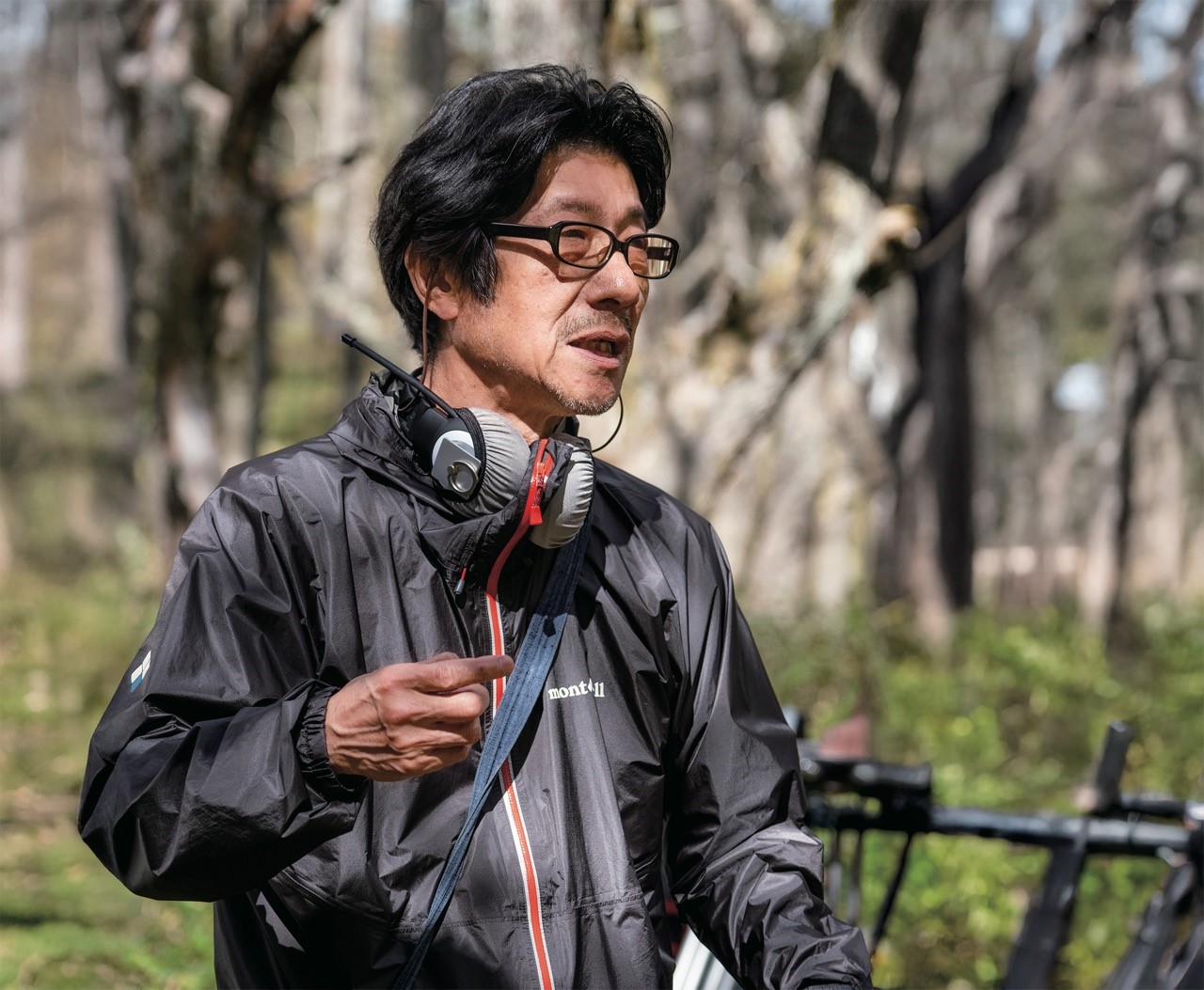
Junko Tabei’s connection to Mount Fuji is central in the way her life is remembered in Japan. She climbed it, of course, but more importantly, she belongs to the same symbolic landscape. Fuji is a mountain nearly everyone in Japan knows, even if they’ve never climbed anything steeper than station stairs in summer. Tabei’s career gives that shared image a human scale. Classic Japan, isn’t it?
From local mountain to global summit
Let’s be honest: Everest gets the glory, and rightly so. But Fuji matters because it sits much closer to Japanese cultural memory. A film that places Tabei in relation to Fuji is doing more than showing scenery. It’s linking the local and the global, the everyday and the extraordinary.
That linkage is especially neat for language learners. If you come across words like 山 (yama, mountain), 登山 (tozan, mountaineering; mountain climbing), or 挑戦 (chousen, challenge) in articles about Tabei, they’re not just vocabulary items. They point to the larger idea of climbing as effort, discipline, and self-testing. In Japanese, that emotional field is often tighter than in English, and sometimes more economical too. Which is how a mountain becomes a moral vocabulary, if you think about it for a moment.
What Junko Tabei tells us about Japan, memory, and film
Guess what? Biographical films often tell us as much about the present as they do about the past. A film about Junko Tabei doesn’t only preserve her story, it decides how that story should look to newer audiences. That is worth paying attention to, because public memory has a way of sanding off awkward edges. Real lives are messier than commemorative posters, and Tabei’s certainly was.
Her achievements were concrete. In 1975 she reached Everest’s summit with the Japanese women’s expedition, after dealing with financing problems, sceptical institutions, and the usual absurd assumption that a serious ambition becomes less serious when a woman holds it. She later kept climbing, teaching, and speaking about the environment, proving that the end of a summit isn’t the end of the work. That’s a better legacy than the usual heroic freeze-frame.
My tip: if you’re studying Japanese through news about film or sport, pay attention to how names, places, and verbs cluster around one another. In stories like this, the language often mirrors the climb itself, starting with a known peak and then moving to wider terrain. It’s a neat way to build vocabulary without pretending every sentence is a textbook exercise.
Frequently Asked Questions
Who was Junko Tabei?
She was a Japanese mountaineer who became the first woman to reach the summit of Mount Everest in 1975.
Who plays Junko Tabei in the film?
Sayuri Yoshinaga plays the main role.
Why is Mount Fuji important in this story?
Mount Fuji is a major cultural symbol in Japan, and it helps connect Tabei’s life to a broader Japanese sense of ambition and memory.