For Japan fans and Japanese learners, that matters. You get architecture, political history, and a living vocabulary of place, all in one walkable site.


Shurijo Castle as an Okinawa history checkpoint
What most people don't know is that Shurijo Castle was the political and cultural centre of the Ryukyu Kingdom, which lasted from 1429 to 1872 before being reorganised as the Ryukyu Domain and then abolished in 1879. That timeline matters, because Okinawa wasn’t always folded neatly into the modern Japanese prefectural map we know now. It had its own court culture, its own external ties, and a very different sense of place.
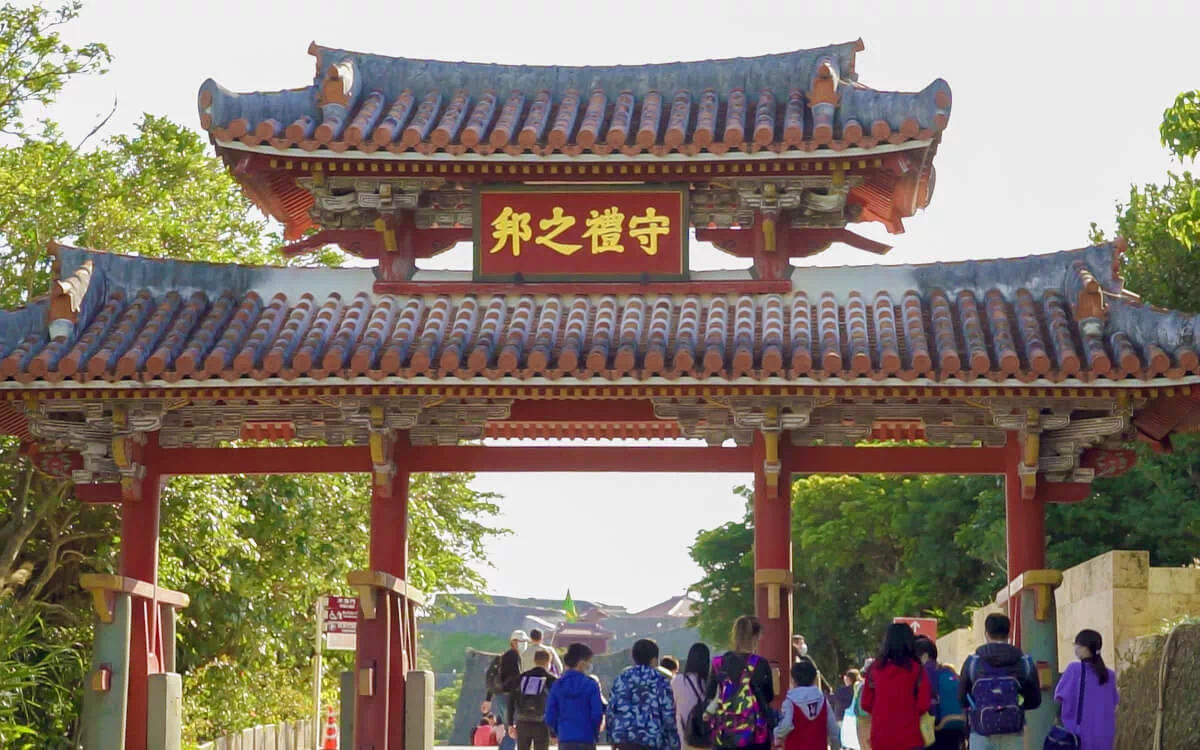
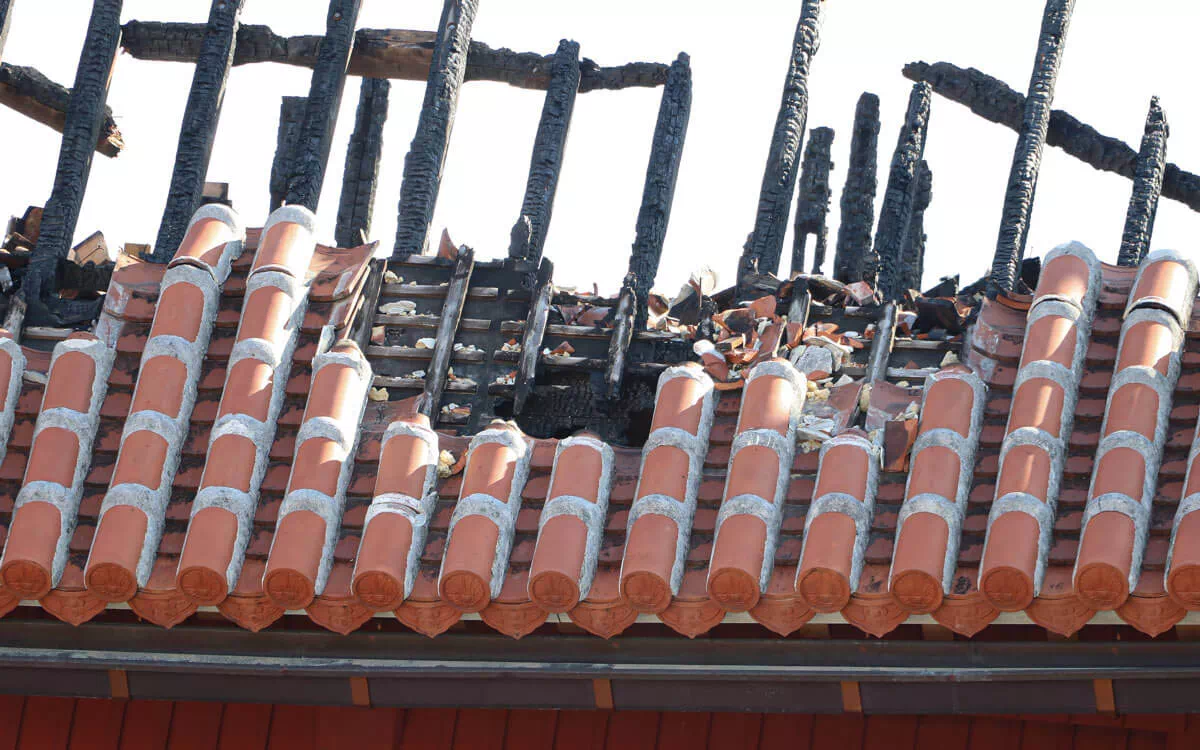
Shurijo itself stands in Naha, on Okinawa Island, and the rebuilt structures you see today reflect a long story of destruction and recovery. The castle was badly damaged during the Battle of Okinawa in 1945, and the main hall burned again in 2019. That second fire made the site feel painfully current, not frozen. History here isn’t sealed behind glass. It keeps returning.
While we're at it, this is exactly why Okinawa travel feels different from a mainland temple-and-shrine loop. You’re not just looking at old buildings. You’re looking at the body of a place that has absorbed outside influence, war, rebuilding, and tourism, and still kept its own texture. Convinced yet?
The Ryukyu Kingdom at street level
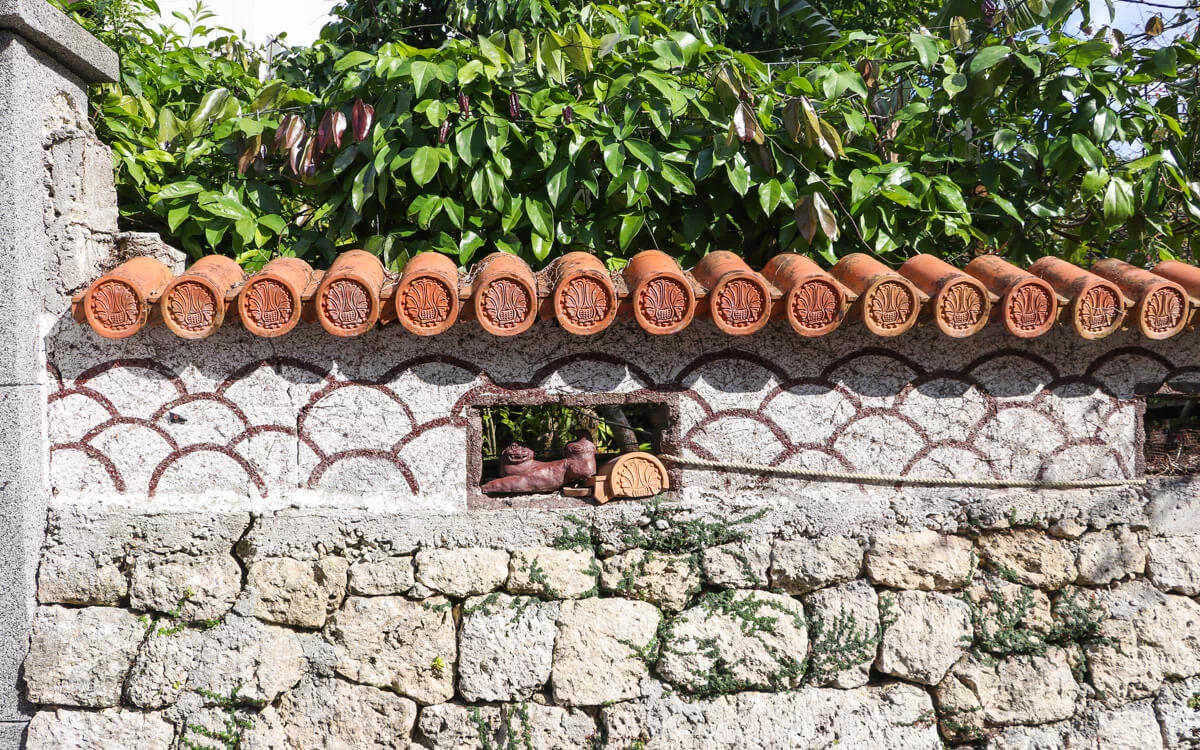
Did you know that the Ryukyu Kingdom sat between major powers and traded widely across East and Southeast Asia? That position shaped everything, from court ceremony to craft traditions to language. Ryukyuan culture isn’t a side note. It’s the core of Okinawa's historical identity.
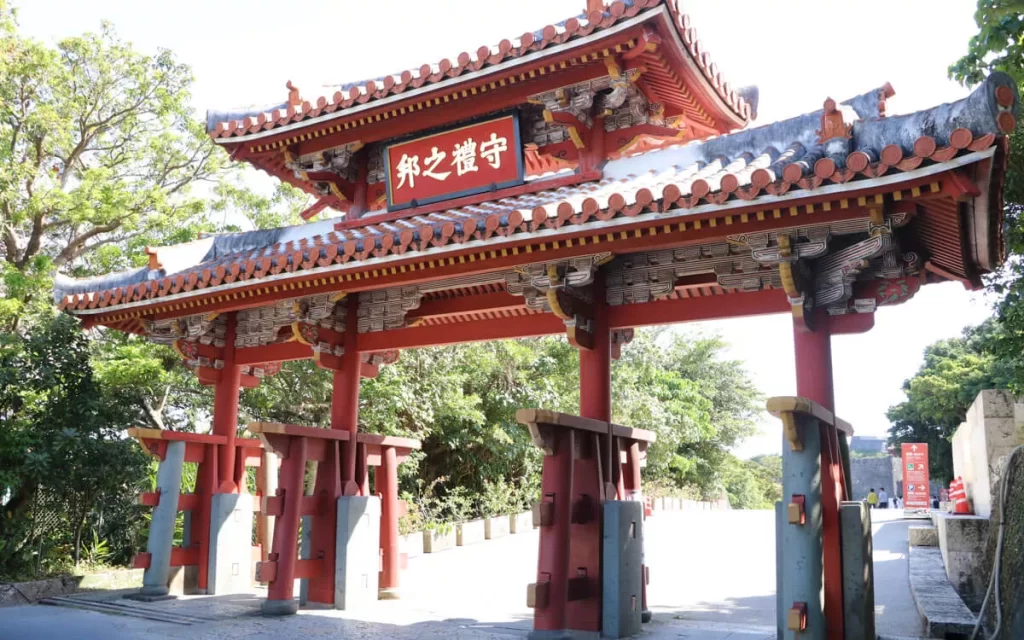
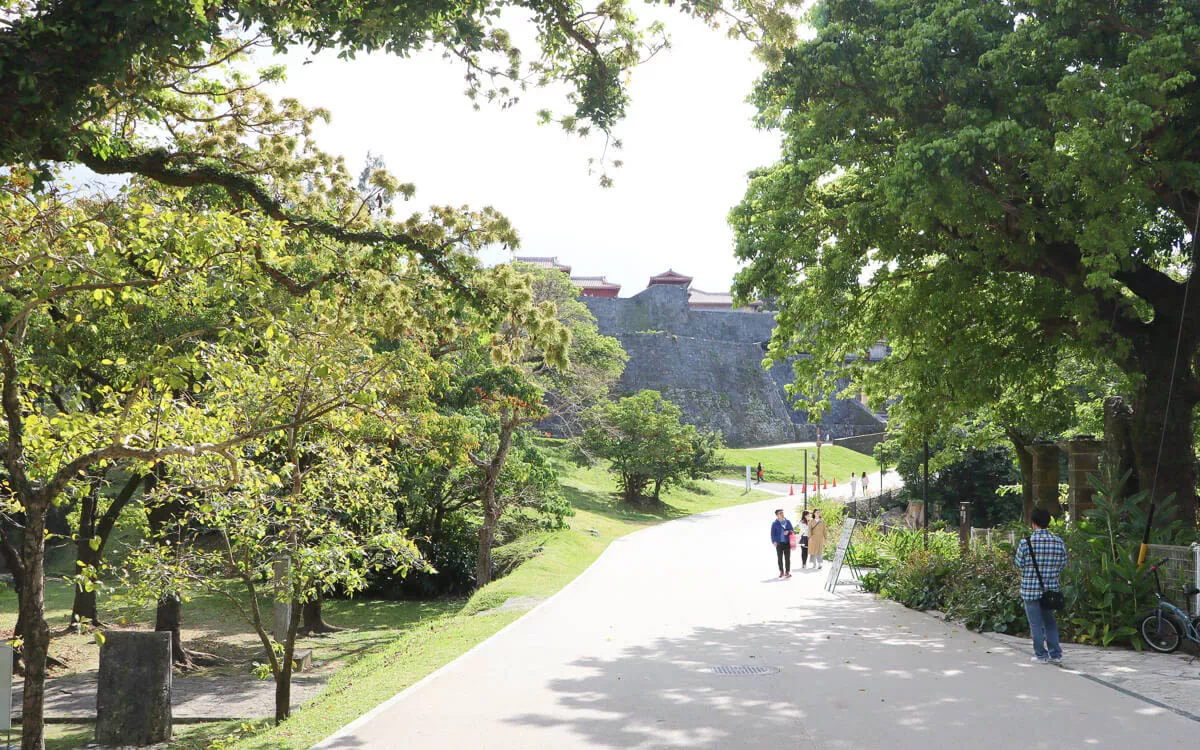
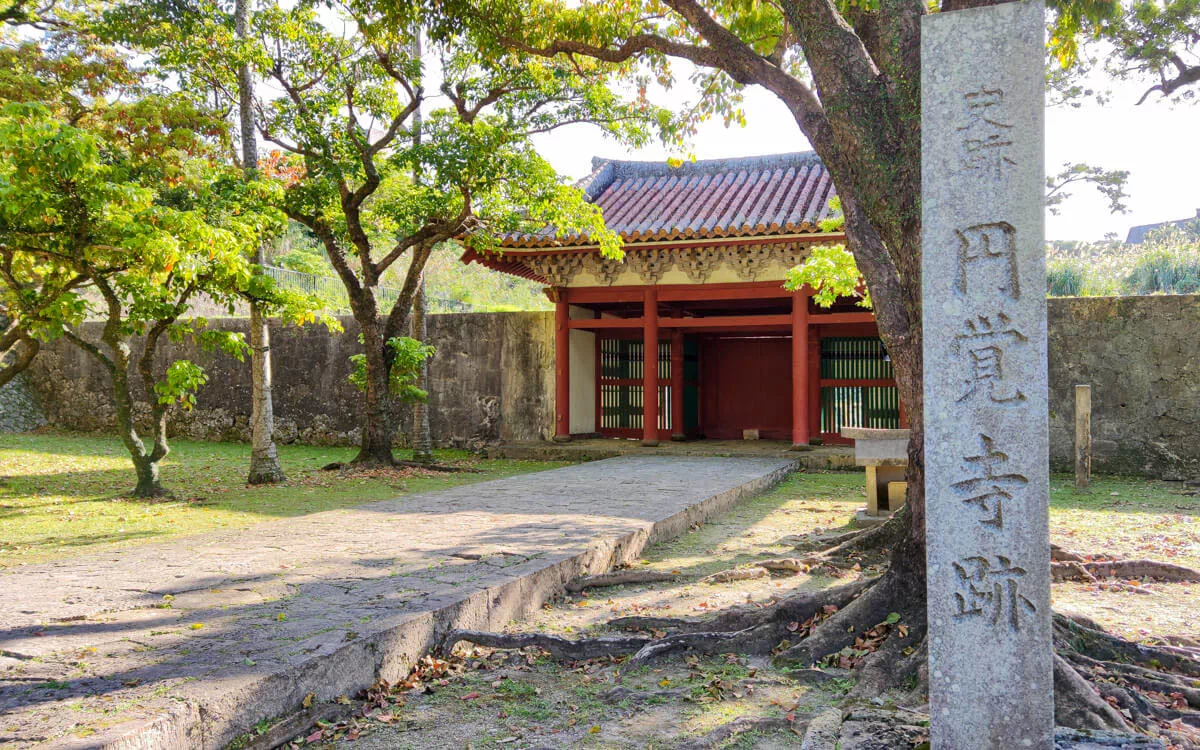
At Shurijo Castle, that older world is clear in the layout, the vermilion palette, and the formality of the grounds. The castle was more than a stronghold. It was a seat of ritual and governance, which is why the site still feels ceremonial even when it’s full of visitors, school groups, and people taking photos under a brutal Okinawa sun. The contrast is part of the point.
On a related note, if you’re studying Japanese, this is a good place to notice how regional history enters vocabulary. Words like 表 (omote, front side; public face), 裏 (ura, back side; hidden side), and Shurijo's many place-specific labels show how Japanese place language often sits beside older local identities rather than replacing them neatly. If you read signs slowly, the site becomes a language lesson as well as a history lesson. Sounds good, right?
Why Okinawa feels like past and present at once
Unlike what we're used to in many Japanese cities, Okinawa doesn’t separate heritage from everyday life with much ceremony. A royal site can sit within an active urban setting, and the roads, buses, and neighbourhoods around it keep moving. That friction gives the island its mood. Old forms are present, but not embalmed.
And it gets better: the wider Okinawa travel update is really about that balance. The prefecture keeps promoting its own cultural inheritance, while visitors come for beaches, food, and easy winter warmth. Both things are true. You can spend the morning at Shurijo Castle, then move on to Naha's market streets or a simple 蕎麦 (soba, buckwheat noodles) lunch, and the day still makes sense as one story.
My tip: give Shurijo more than a quick photo stop. Walk the grounds slowly, pay attention to the rebuilt sections, and think about what reconstruction means in Japan. A rebuilt site isn’t a fake site. It’s often a statement of continuity, and sometimes a very stubborn one. Highly recommended.
How to read Shurijo Castle as a Japan learner
Let's be honest: a lot of Japan travel content treats language as garnish. That misses the good part. If you are learning Japanese, sites like Shurijo Castle are useful because they force you to connect words to systems, not just souvenirs. Shurijo, Ryukyu, Naha, kyujo in historical contexts, and the broader Okinawan vocabulary around food, music, and local identity all sit inside a larger political story.
Seriously though, the strongest learning move here is simple. Read the signs, compare English and Japanese wording, and notice which terms stay local. The island's history survives not only in architecture but in naming. That’s where the real texture of place lives.
If you only had one Okinawa stop tied to history, make it this one. It gives you the kingdom, the loss, the rebuilding, and the present-day island all in one place. That's it.
In pictures
Frequently Asked Questions
Why is Shurijo Castle important?
It was the royal centre of the Ryukyu Kingdom and remains one of the clearest places to understand Okinawa's distinct historical identity.
What happened to Shurijo Castle?
The castle was heavily damaged in 1945 and the main hall burned again in 2019. Reconstruction has become part of the site's modern story.
Is Shurijo Castle useful for Japanese learners?
Yes. It offers practical exposure to place names, historical vocabulary, and the way local identity appears in signage and official wording.