
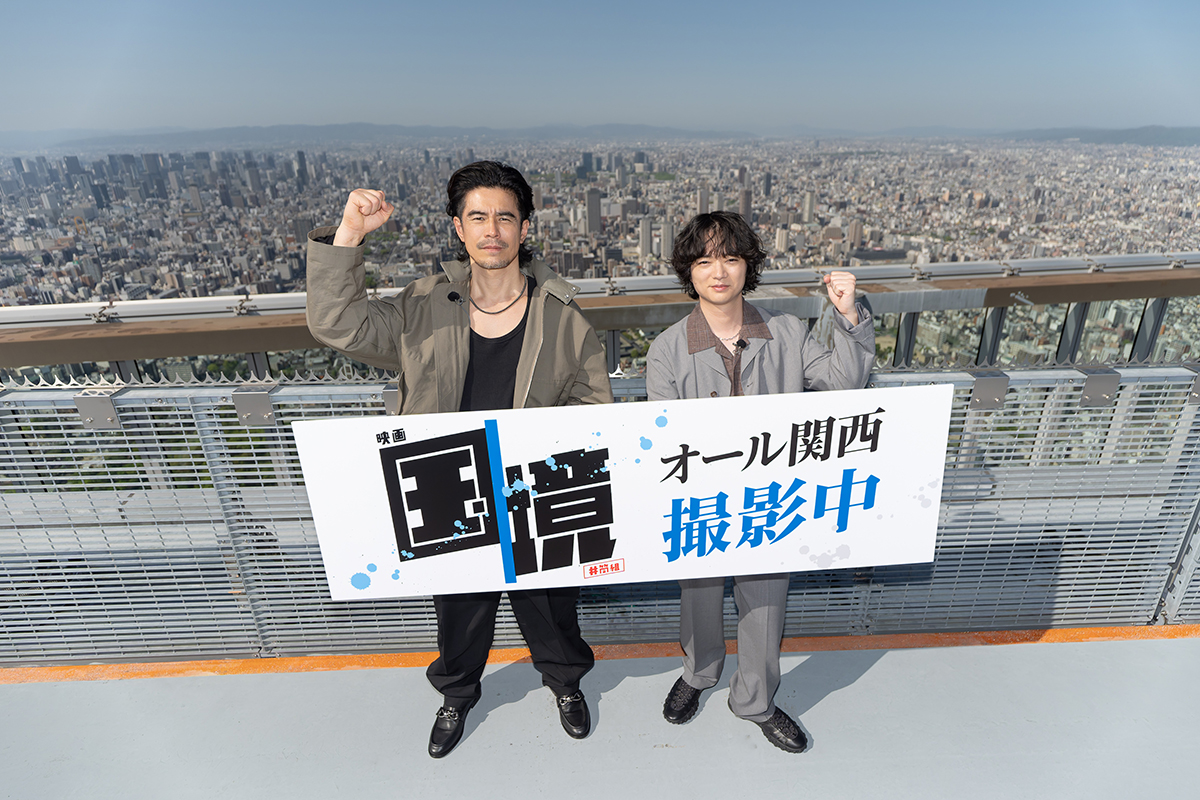
If you like Osaka spots with a strong local feel, this one’s worth following. It mixes skyline drama, Expo afterglow, and a very Japanese approach to food you can actually eat on the move.
Abeno Harukas and Osaka style in one place
Abeno Harukas is Osaka’s tallest building, and that alone makes it a landmark people remember. Rising to 300 metres and opened in 2014, it sits right by Kintetsu Osaka-Abenobashi Station and JR Tennoji Station, which means it’s easy to reach and hard to ignore.
What most people don't know is that the building is more than an observation deck and shopping complex. It’s also a kind of stage for Osaka style, where city energy, retail, food, and event culture all collide in one vertical space. Honestly, that mix is exactly why it keeps showing up in local news, not just travel guides.
For Japanese learners, there’s a nice vocabulary angle here too. Words like 町 (machi, town / neighborhood) (city), 仕事 (shigoto, work) (work), and 食 (shoku, food / eating) (food) all help describe the practical, everyday feeling Osaka is known for. Osaka has a reputation for being more direct and more food-focused than Tokyo, and Abeno Harukas fits that image perfectly. Sounds good, right?
The heliport event and Expo afterglow
Picture this: a rooftop or upper-level event space linked to a heliport, with the city spread out below, and a fresh food concept getting attention at the same time. That’s the kind of setting that makes Abeno Harukas stand out, because it can turn a transport-related space into a small cultural moment.
Unlike what we're used to, this isn't just about movement or logistics. It’s about atmosphere, and about how Osaka keeps reusing its urban spaces in playful, business-savvy ways. The connection to Expo 2025 Osaka, Kansai also matters here, because the event energy around the Expo has already pushed businesses to think in terms of mobility, convenience, and quick but memorable experiences.
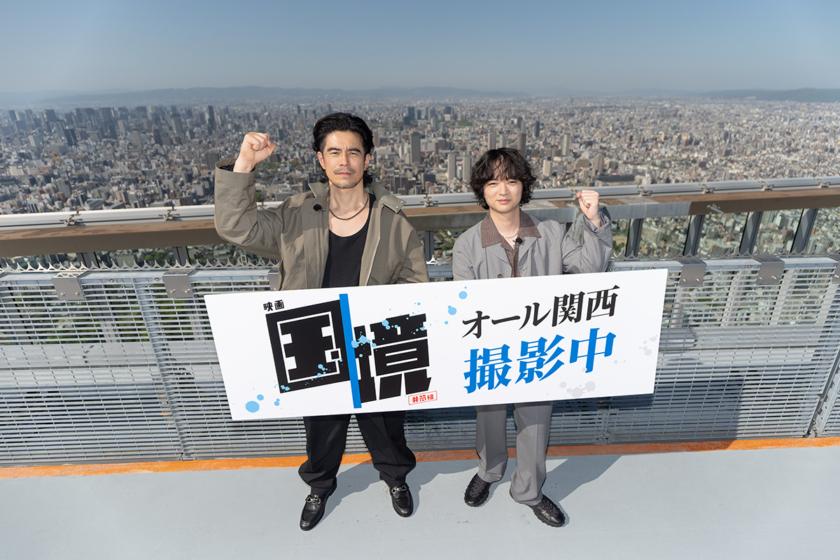
No wonder, because Expo-related projects in Kansai have been pushing themes like future food, city access, and short-format dining. A heliport event at a major landmark like Abeno Harukas feels like a natural extension of that mood, even if it’s only one part of a bigger local campaign. By the way, Osaka often does this better than people expect, turning everyday infrastructure into a story people actually want to visit. Personally, that’s pretty hard to ignore.
Why the location matters
To be fair, if this same food concept appeared in a random office district, it probably wouldn’t feel as exciting. At Abeno Harukas, the skyline view gives the whole thing extra weight, and Osaka fans love a spot that feels both practical and a little celebratory.
The area around Tennoji and Abeno has also changed a lot over the years, with more family traffic, tourists, and shoppers moving through it. That means an event here reaches a broad audience, from commuters to Japan fans who are hunting for their next city stop. From my experience, that kind of mixed crowd is usually where the most interesting Osaka moments happen.
One-Hand BENTO: practical, local, and very Osaka
Trust me on this one: the One-Hand 弁当 (BENTO, boxed meal; lunch box) idea makes immediate sense once you think about how people actually eat in the city. It’s designed to be held and eaten with one hand, which sounds simple, but in Japan that kind of design thinking is often the whole point. Clean, compact, efficient, and still tasty.
The term bento already tells you something important. A bento is a packed meal, but it’s also a presentation format, a small piece of food culture. The One-Hand version pushes that idea further, making the meal easier to carry during events, station stops, or short visits between sightseeing spots.
What I especially like is that this is the sort of concept that feels right in Osaka because the city doesn’t overcomplicate its food identity. Osaka is famous for 食い倒れ (kuidaore, to eat oneself into ruin), the idea of eating until you drop, but it’s also a place where convenience matters. A one-hand format keeps the food fun without making it fussy. Classic Japan, isn’t it?
Food concept with Expo echoes
Speaking of which, Expo-related food ideas often lean towards portability, sustainability, and novelty. That doesn’t mean they’re gimmicks, though. The best ones connect local ingredients, event traffic, and a clear use case, and that’s exactly why a One-Hand BENTO has a strong chance of getting attention beyond the event itself.
In Japanese, you might describe this kind of product as 便利 (benri, convenient) for convenient, or 可愛い (kawaii, cute) if the packaging is especially appealing, though I’d argue the real selling point is usability. A good bento should travel well, hold together, and still feel like a proper meal. If it checks those boxes, people remember it.
For Japan learners, this is a nice reminder that food vocabulary in Japanese often blends design and experience. You’re not just learning the word tabemono for food, you’re learning the social logic around it too. That’s where travel reading becomes useful, because one article can teach you city names, station names, and food terms in one go. My tip: keep an eye on how those words are used in context.
Why jpnerd readers should care
Abeno Harukas isn’t just another tall building on a list. It’s a real Osaka anchor, and events like this show how local landmarks keep evolving with the city’s next chapter. If you’re planning a trip, this is the kind of place where you can combine shopping, views, and a food stop without losing half a day.
On the flip side, if you’re learning Japanese from abroad, stories like this are useful because they show how place, product, and culture are tied together. You’ll see how words like event, spot, and concept get adapted into the Japanese media world, and how local coverage often focuses on use, not hype. That’s a very Osaka way of thinking, if you ask me.
So yes, the heliport event may be specific, and the One-Hand BENTO may sound small, but together they say a lot about modern Osaka. It’s a city that likes movement, likes food, and doesn’t waste a good location. If you love Japan for the details, this is exactly the kind of news that makes you pay attention. From my experience, the small things often tell the biggest story.
For more Japan stories and language-friendly reading, check out more Japan news on jpnerd.com.
In pictures
Frequently Asked Questions
What is Abeno Harukas?
Abeno Harukas is a 300-metre skyscraper in Osaka with shops, offices, a hotel, and an observation area.
What is One-Hand BENTO?
It is a bento-style meal designed to be easy to hold and eat with one hand.
Why is this event linked to Expo 2025?
It reflects the Expo mood in Osaka, especially the focus on mobility, food ideas, and visitor-friendly urban experiences.


