If you like regional Japanese food and want something a little different from the standard 居酒屋 (izakaya, Japanese pub) fare, this is a practical place to keep in mind. The concept is simple, local, and easy to understand, even if you’re still learning Japanese food names.
A Sendai-style izakaya in Chiba, close to the station
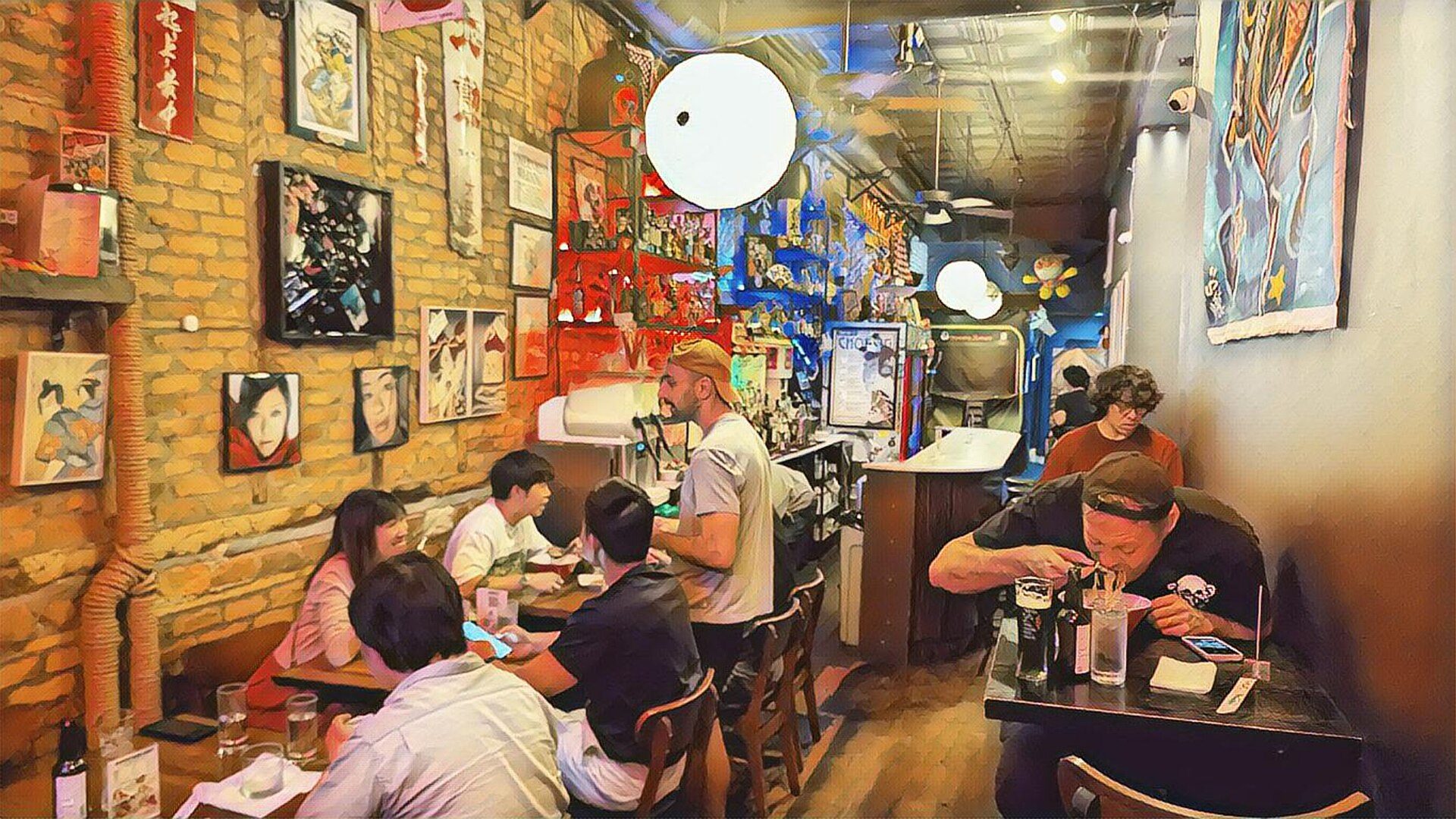
Ever wondered why regional Japanese food spots in major cities often get so much attention? This one makes sense as soon as you look at the location. The izakaya is in Sakaemachi, Chiba, about seven minutes on foot from Chiba Station, so it’s easy to reach after work, before a train ride, or as part of a casual food stop in the city centre.

That matters. In Japan, a good izakaya is not only about the menu, but also about convenience, timing, and the kind of neighbourhood it serves. Sakaemachi has that everyday, slightly busy atmosphere that suits this type of place. You can come in for one drink and a few plates, or stay longer and make it an evening meal.
Unlike what we’re used to in chain-style drinking spots, this restaurant leans into a regional theme. The idea is Sendai cuisine in Chiba, near Tokyo, which gives it a clear identity. It’s the sort of concept that works well in the Kanto area, where people are often open to trying dishes from other parts of Japan without having to travel far. Convinced yet?
Why gyutan and kaki matter in Sendai cuisine
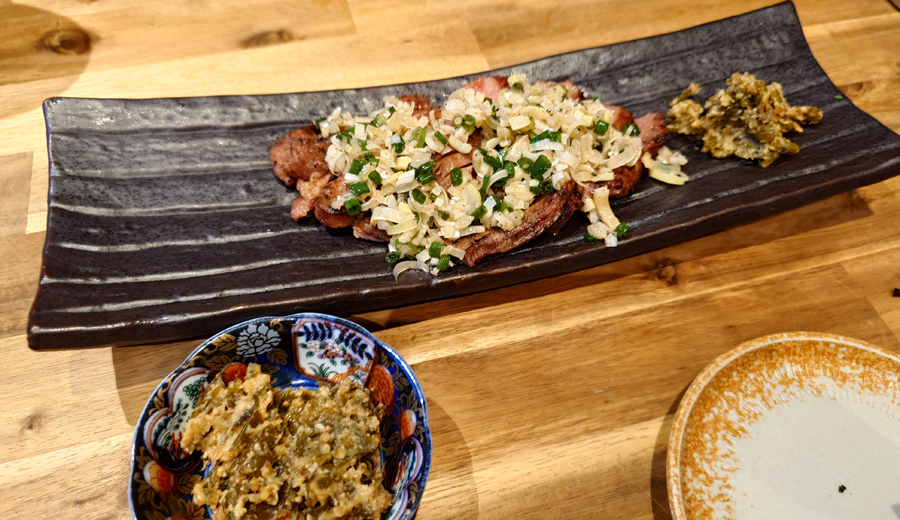
Trust me on this one: if you want to understand Sendai food culture, start with 牛タン (gyutan). Gyutan means beef tongue, and in Sendai it’s one of the city’s signature dishes. It’s usually grilled, sliced neatly, and served with rice, soup, and pickles. The texture is firm but tender when cooked well, and the flavour is rich without being heavy.

For Japanese language learners, gyutan is a useful word to remember because it comes up often on menus, especially in Tohoku-style restaurants. The word is simple, but the dish itself has a strong regional identity. If you see gyutan yaki, that usually points to grilled beef tongue, and that’s the version many people order first.
Then there’s 牡蠣 (kaki), or oyster. Sendai and the wider Miyagi area are well known for seafood, and oysters fit naturally into that picture. In an izakaya setting, kaki may appear in several forms, depending on the season and the kitchen. You might see grilled oysters, fried oysters, or oyster dishes that work well with sake or beer. For example, a plate of kaki with a crisp drink is exactly the kind of straightforward pairing Japanese izakaya food does so well.
What I especially like about this pairing
My tip: order something grilled and something briny. Gyutan gives you the smoky, meaty side of the menu, while kaki brings in the sea. That contrast keeps the meal from feeling one-note. It also reflects how regional Japanese menus are often built, with a balance between land and water ingredients. Highly recommended: if the restaurant offers おでん (oden, simmered dish) as well, add it to the table. That gives you a slower, warmer dish alongside the sharper flavours.
Oden is another smart fit here. It’s a simmered dish, usually made with 大根 (daikon, white radish), egg, konnyaku, tofu products, and fish cakes, all cooked in a light broth. In a drinking place, oden works because it’s gentle and steady. It gives the meal a home-cooked rhythm. On the flip side, gyutan and fried items bring more punch, so the menu stays balanced. My verdict: that’s a strong izakaya structure.

How this regional food concept works near Tokyo
Picture this: you’re in Chiba, but the menu is taking you to Sendai. That’s the appeal here. Regional food concepts do well near Tokyo because they let people explore local Japanese cuisine without planning a long trip. You get the feeling of a destination meal, but it’s still practical enough for an ordinary weekday.
Before I forget: this is also useful for visitors who are learning Japanese. A regional izakaya gives you more than just food. It gives you vocabulary tied to place. Sendai, Miyagi, gyutan, kaki, oden, sake, and izakaya are all words you’ll see again. If you study with menus and photos, this kind of restaurant becomes part language lesson, part travel reference, part dinner plan.
And it gets better: restaurants like this help make Japanese food culture feel less centralised. Tokyo has a lot, of course, but the best dining scenes in the greater area often come from borrowing ideas from elsewhere in Japan and presenting them in a local setting. That’s what makes this place interesting. It’s not trying to be all things at once. It has a clear regional message, and that clarity helps.
How to order if you are new to the menu
Start with one signature dish and one familiar dish. If you’re unsure, gyutan is the headline item, so that’s a safe first order. Add oden if you want something mild and broth-based. If you like seafood, choose a kaki dish as your second plate. Keep the rest simple, and let the menu do the work.

Oh, almost forgot: if you’re going with friends, share several small plates rather than ordering only one main dish. That’s the most natural izakaya approach. You get more variety, you spend less time deciding, and you can compare flavours side by side. Classic Japan, isn’t it?
Why this Chiba stop is worth remembering
What makes this place worth a look is not only the food, but the setting. A seven-minute walk from Chiba Station is close enough to be convenient, but not so close that it feels generic. Sakaemachi gives it a slightly more local feel, and the Sendai focus gives it a clear reason to exist.
For Japan fans, that combination is useful. You can enjoy a local izakaya atmosphere, learn a few new food terms, and try dishes that connect directly to another region of Japan. For learners, that’s a neat way to make vocabulary stick. For food lovers, it’s simply a good excuse to eat well near the station. Personally, I think that’s exactly the kind of small but solid food stop worth saving for a future evening out.
If you’re building a list of places around Chiba that do something with a regional twist, keep this one on it. It’s straightforward, grounded, and easy to work into a real trip. That is often what makes the best places useful, not flashy presentation. more Japan news on jpnerd.com
In pictures


Frequently Asked Questions
Is this place close to Chiba Station?
Yes. It is about a seven-minute walk from Chiba Station, so it is easy to reach on foot.
What kind of food does a Sendai-style izakaya usually serve?
Common dishes include grilled beef tongue, seafood, and simmered items such as oden.
Why is this type of restaurant interesting for Japan learners?
It connects food vocabulary with regional culture, which makes the words easier to remember in context.