

Hello Kitty Shinkansen ends after 8 years on the rails
Did you ever see a train and smile before it even arrived? That was the magic of the Hello Kitty 新幹線 (Shinkansen), a themed JR West bullet train that connected Osaka and Fukuoka with pure 可愛い (kawaii, cute) energy. It ran for 8 years, and it ended on Sunday last week, so this really does feel like the end of an era.
Here’s the thing: this wasn't just another branded wrap job. The train was launched in 2018 on the Sanyo Shinkansen line, and it became a rolling photo spot, a merch magnet, and a tiny tourism engine all by itself. For Japan learners, it's also a neat example of how pop culture and transport mix in a way that still feels very Japanese. Classic Japan, isn't it?
What made the Hello Kitty Shinkansen so memorable
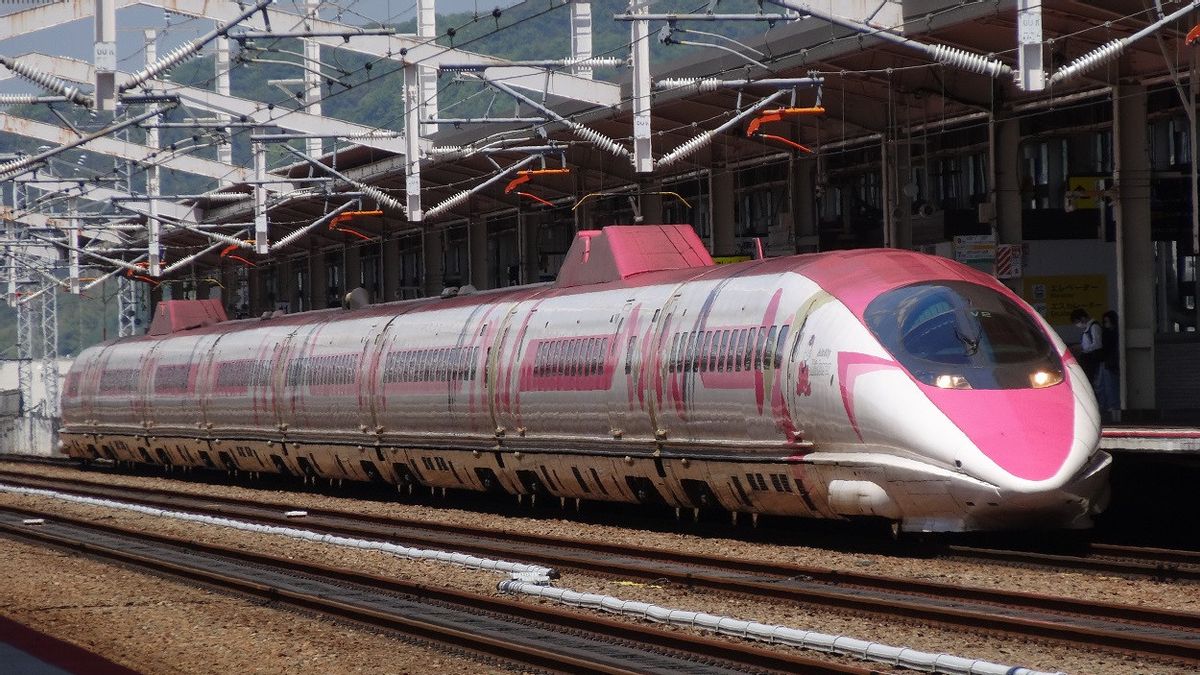
The exterior design was simple, but clever. Instead of covering every inch in loud graphics, JR West used a white body with a bright pink stripe and bow motifs, then added Hello Kitty details in a way that felt playful rather than overwhelming. Take the look inside, for instance. The first car, called Hello! Plaza, was built around regional souvenirs and local travel promotion, while another car featured a Hello Kitty seat area that fans loved to photograph.
By the way, this is where the train became more than transport. People rode it for the experience, not just the destination. Families, anime fans, foreign visitors, and rail enthusiasts all had a reason to board, and that fan-magnet factor mattered. If you like Japan train culture, this sits right next to other iconic themed services like the Thomas the Tank Engine Railway in Shizuoka or the Yufuin no Mori sightseeing train in Kyushu, though the vibe here was much softer and sweeter. Simply brilliant.
Design details that stood out
Let me show you why people kept talking about it for so long. The front of the train had a Hello Kitty face motif, but it didn't feel childish in a bad way; it felt clean, almost elegant. Inside, the red-and-pink accents, the photo corner, and the merchandise displays gave passengers little moments to enjoy during the ride. For example, even the signage and presentation leaned into the character branding without turning the whole train into a cartoon explosion.
That balance mattered. Japan does themed design well when it respects the original product, and this train did exactly that. My tip: if you ever ride a special train in Japan, always check the first car and any limited-time displays, because that's where the best details usually hide. Wait, there's more.
Why the 8-year run mattered
Let’s be honest: eight years is a solid lifespan for a themed service. Pop-up campaigns can vanish in months, but this train lasted long enough to become part of the travel landscape. It connected Osaka's Shin-Osaka area with Hakata in Fukuoka on one of Japan's busiest long-distance rail corridors, so it wasn't just for show, it was useful too.



That usefulness helped it stay relevant. A themed train can fade fast if it only works as a gimmick, but the Hello Kitty Shinkansen had a real route, real passengers, and a steady stream of visitors who wanted a happy ride between cities. From my experience, that kind of mix is what keeps Japanese character projects alive. Fans like the design, but locals still need the train to work. Convinced yet?
That reminds me: Japan has a long history of character branding crossing into public life, from manhole covers to airport mascots. Hello Kitty, created by Sanrio in 1974, is one of the few characters that can move easily between products, stations, and travel goods without losing her identity. This train was a perfect example of that flexibility, and it's part of why the farewell feels so noticeable.
What fans will remember most
Ever wondered why some transport projects become internet legends while others disappear quietly? It's often about timing, design, and shareability. The Hello Kitty Shinkansen had all three, and social media helped turn ordinary platform shots into travel dreams. When a train looks good in real life and in photos, the buzz spreads fast.
There was also the emotional side. For many visitors, the train marked a first Japan trip, a family holiday, or a small personal reward after years of learning Japanese. If you're studying the language, you might notice how trains like this teach you more than vocabulary. They teach context. Words like 電車 (densha, train), shinkansen, and お土産 (omiyage, souvenir) become tied to real experiences, which makes them stick. That’s the good stuff.
And yes, the farewell matters because themed trains are part of Japan's living culture, not just marketing. Once a service like this ends, it leaves behind photos, memories, and a small gap in the rail scene. But the idea doesn't vanish. Japan will almost certainly keep producing charming collaborations, seasonal wraps, and character-led travel projects. For fans, that’s half the fun. My tip: if you spot a special train in Japan, ride it while you can, because these things don't last forever. Wait, there's more.
Frequently Asked Questions
When did the Hello Kitty Shinkansen start running?
It started in 2018 on the Sanyo Shinkansen line.
Why was the train so popular?
Its design, photo-friendly interiors, and strong Hello Kitty branding made it a fan favourite.
Does Japan still have themed trains?
Yes, themed trains are still a big part of Japanese rail culture and tourism.
Sources
For more Japan travel and culture updates, read more Japan news on jpnerd.com.


