Let me show you why this spot matters, not just for history fans, but for anyone learning Japanese who wants real-world context around words like 大手門 (Otemon, main gate) and yakuimon.
Mito Castle Ruins and the Edo atmosphere in central Mito
Mito Castle Ruins, or Mitojo ato, are the remains of a major castle site in Ibaraki Prefecture, right in the city of Mito. The castle was originally tied to the Tokugawa family, and that alone makes it worth a stop if you care about Japan's 江戸 (Edo) period, 大名 (daimyo, feudal lord) culture, or the political network that shaped the country after 1603.
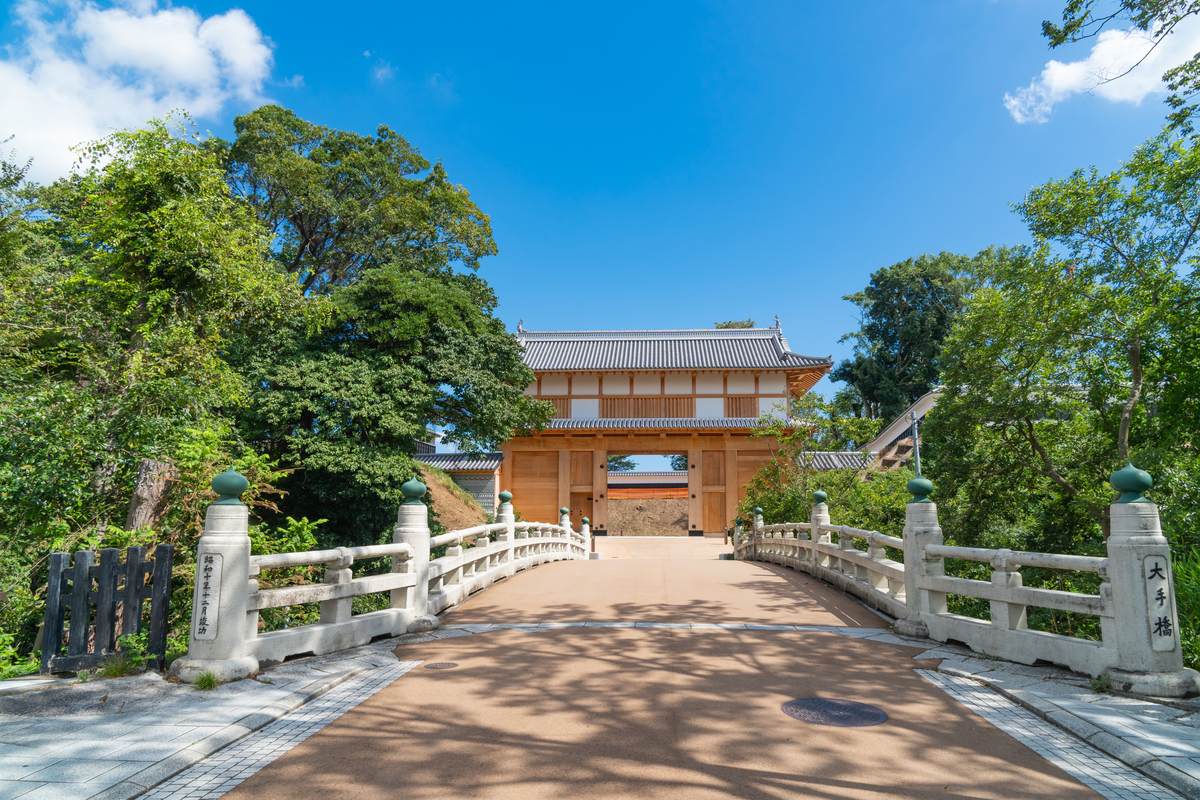
The first time I went to Japan, I spent a lot of time chasing old castle sites that looked quiet on a map and turned out to be packed with history once I got there. Mito is exactly that kind of place. No towering 天守閣 (tenshukaku, castle keep) stands here, but the layout still tells a story, and the city has done a good job of keeping parts of the site readable on foot.
That's why Mito Castle Ruins work so well as a slow travel stop. You can walk the grounds, trace the old defenses, and still be back near the station for lunch without rushing. Not bad, right?
Close to Mito Station, so it fits into a day trip
Trust me on this one: location matters. Mito Station is the main rail hub for the city, and the castle ruins are close enough that you don't need a complicated side trip or a long taxi ride to reach them. For JR travellers, that makes the site easy to combine with other Mito stops, like Kairakuen, which is one of Japan's most famous gardens and part of the classic Mito sightseeing combo.
The approach is simple, and that's part of the appeal. You step out of the station area, head towards the old castle grounds, and the modern city starts fading behind you. Quick detour: if you're studying Japanese, this is a great place to practise location words like 駅 (eki) for station, 門 (mon) for gate, and 堀 (hori) for moat, because you can match the vocabulary to what you're actually seeing.
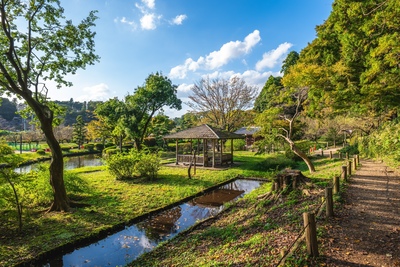
My tip: go in the morning, when the streets are quieter and the earthworks are easier to notice. The site feels more layered then, like you're walking through a city that remembers its own shape. Personally, I think that's the best time to visit.
Erdwalle, moats, and the remaining gates
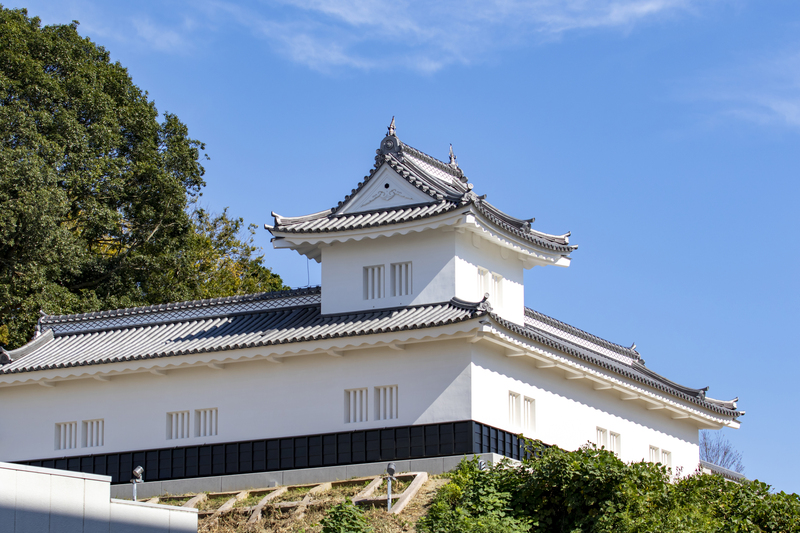
What survives at Mito Castle Ruins is not a single grand building, but the structure of the fortress itself. You can still see earth embankments, wide moats, and gate areas that suggest how the castle once controlled movement in and out of the compound. These aren't decorative leftovers, they're the bones of the whole site.
Otemon Gate and Yakuimon
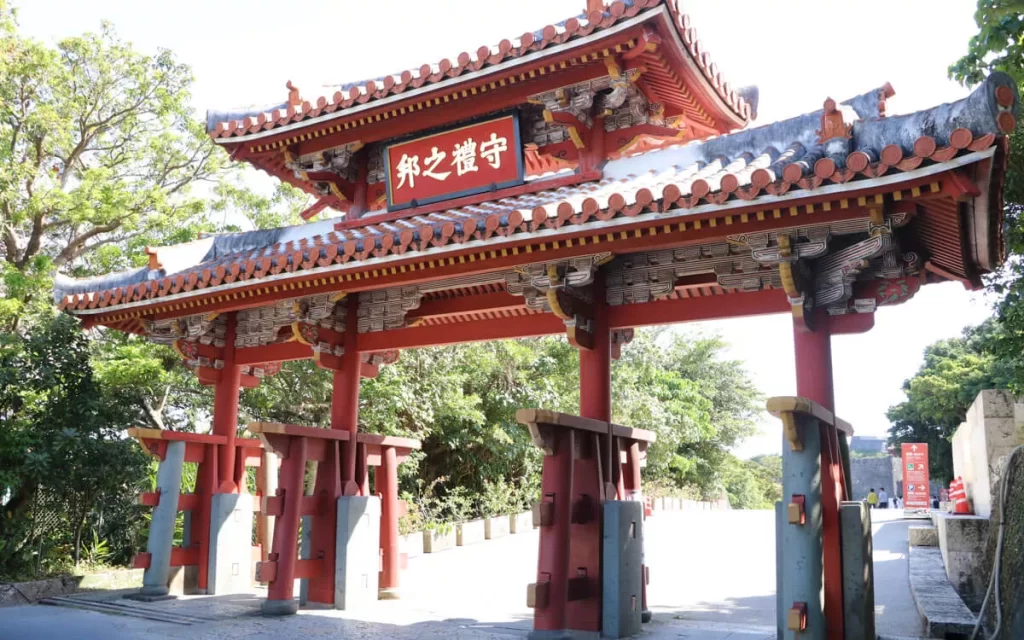
The former Otemon Gate area is one of the most striking spots here. Otemon means the main gate, and in castle terminology it usually marks the most formal entrance. Even when the original structure is gone, the name carries weight, because it hints at ceremony, defence, and authority all at once.
Then there is yakuimon, a side or functional gate used in more practical ways. At Mito, these gate names help you read the site like a map. A good example: if you know the difference between otemon and yakuimon, the ruins stop being just a park and start making architectural sense. That's a satisfying moment for Japanese learners, because the words are simple, but the history behind them isn't.

Seriously though: these earthworks and moat lines are the reason the castle ruins still feel powerful. Even without walls rising overhead, the site keeps its shape. And there's more.
Tokugawa history and why Mito matters
Mito Castle was closely connected to the Tokugawa branch family that ruled the Mito Domain, one of the three great Tokugawa houses, along with Owari and Kii. That political link matters because Mito wasn't just a local stronghold, it was part of the family structure that helped support Tokugawa power across Japan.
The Mito school of thought, or Mito-gaku, also became important in the late Edo period. Scholars there focused on history, loyalty, and the imperial line, and their ideas influenced politics far beyond the castle walls. If you like reading about the Tokugawa era, Mito is one of those places where the site itself and the intellectual history are tightly connected.
Let's be honest: a lot of castle ruins can feel abstract if you don't know who lived there or why it mattered. Mito is different. You can stand beside a moat and think about daimyo administration, domain politics, and how Tokugawa authority was spread through regional centres. That makes the ruins feel less like leftover dirt and more like living Edo heritage. This is my absolute hidden gem!

How to enjoy the site as a Japan fan and language learner
If you're learning Japanese, Mito Castle Ruins are a nice reminder that everyday travel words often come attached to history. Otemon, yakuimon, hori, and kaku are all useful vocabulary that show up in castle guides, maps, and signs across Japan. Seeing them in context makes them easier to remember than a flashcard ever will.
What I especially like: the ruins don't try too hard. They let the land speak. You can take a slow walk, look at the embankments, compare the gate traces, and then move on to another part of Mito without feeling like you have to spend half a day there. For me, that balance is perfect, especially when a station-adjacent historical site still feels genuinely old.
But let's stick with Mito Castle Ruins for now. If you're planning a broader Ibaraki route, pair them with Kairakuen and a station-area food stop, then make the castle your historical anchor. You'll get a much better sense of Mito as a Tokugawa city, not just a name on a timetable. Personally, that combination makes the whole visit feel richer.
And if you want more Japan travel and culture reads, check out more Japan news on jpnerd.com.
In pictures
Frequently Asked Questions
How close are Mito Castle Ruins to Mito Station?
They are close enough for an easy walk from the station area, which makes the site convenient for a day trip.
What is left of the castle today?
You can still see earth embankments, moats, and gate areas, even though the main castle buildings are gone.
Why are the ruins important?
They were tied to the Tokugawa family and the Mito Domain, so the site connects directly to Edo-period political history.