
What I especially like is that these spots also help Japan fans see the country beyond Tokyo and Kyoto, with local trains, mountain air, and small-town stops that feel like real discoveries. Sounds good, right?



Best Mt. Fuji spots in Japan for first-timers and repeat visitors
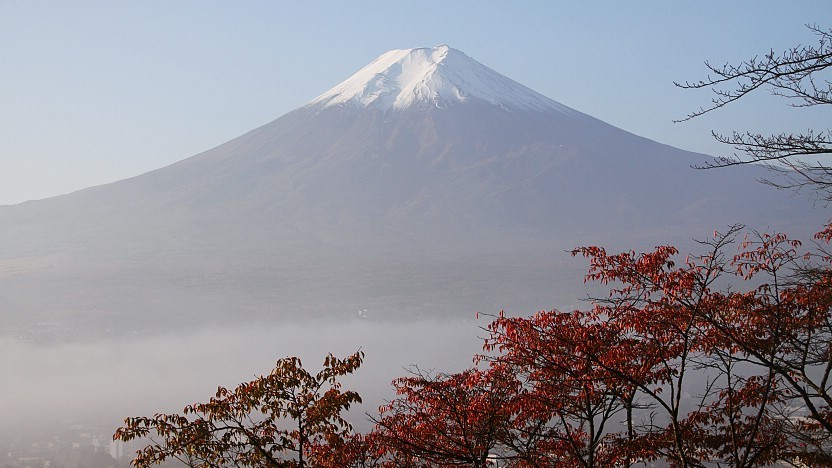
Guess what? Mt. Fuji isn't just one view, it's a whole mood, and the best spot depends on the season, the weather, and how much effort you want to put in. On clear winter mornings, Fuji can look razor-sharp from as far as 100 km away, while summer haze often softens it into a pale outline. That means a good Fuji trip is part planning, part luck, and part knowing where to stand.

For Japan tourism, that's great news. You don't have to stay in Tokyo for a distant skyline photo or rush straight back to Kyoto after a temple visit. A little detour can give you lakes, ropeways, old post towns, and train rides that feel like a reward in themselves. But that's not all.
1. Lake Kawaguchiko, Yamanashi
Here's the kicker: if someone asks for the most reliable Mt. Fuji view, Kawaguchiko is usually the answer. It's one of the Fuji Five Lakes, about 2 hours from Shinjuku by highway bus or around 2.5 hours by train via Otsuki. The classic shot comes from the northern shore, where Fuji rises over the lake with cherry blossoms in spring or bright red leaves in autumn.
My tip: stay one night if you can. Sunrise often gives the clearest mountain view, and the lake gets calm enough to reflect Fuji like a mirror. The Kawaguchiko Music Forest Museum and the nearby ropeway also give you easy photo angles without needing serious hiking boots. Simply brilliant.
2. Chureito Pagoda, Arakurayama Sengen Park
Trust me on this one: this is the photo many people have in their heads when they imagine Japan. The five-story pagoda, the staircase, the town below, and Fuji behind it create a layered scene that feels almost too perfect, especially in spring. The park is in Fujiyoshida, and yes, you do have to climb about 400 steps to reach the main viewpoint.
Quick detour: the best time is early morning, before the crowds and before haze builds up. In cherry blossom season, the area gets packed, so arriving before 8:00 a.m. is a smart move. If you're learning Japanese, this is a lovely place to notice simple travel words like 山 (yama) for mountain and 桜 (sakura) for cherry blossom, which you'll see everywhere in local signs and souvenirs. But that's not all.
3. Hakone, Kanagawa
It's early morning in Kyoto. But if you want Fuji with hot springs, lakes, and a touch of old-school resort style, Hakone is a strong pick. From Lake Ashi, you can sometimes see Fuji behind the red torii gate near Hakone Shrine, and the scene feels calm rather than flashy. The Hakone Ropeway, Owakudani, and the pirate-style sightseeing boats all give you different angles in a single day.
Here's the catch: Hakone weather changes fast, and clouds can hide Fuji for hours. Still, that unpredictability is part of the charm. If you want the best chance, go early and check live webcams before you leave your ryokan. Sounds weird, but it's true.
Beyond Tokyo and Kyoto: Fuji views with more atmosphere
Let's be honest: Tokyo and Kyoto are amazing, but they don't show you the full range of Mt. Fuji travel moments. Once you start moving through Yamanashi, Shizuoka, and the Fuji Five Lakes area, the landscape changes from urban convenience to mountain-town rhythm. You'll notice smaller stations, local bakeries, roadside cafes, and people who are used to checking the sky before making plans.



That slower pace matters. Fuji isn't just a backdrop, it's tied to local life, art, and seasonal travel. The mountain was inscribed as a UNESCO World Heritage cultural site in 2013, and places around it have built entire visitor experiences around that status. The result is a travel loop that feels very Japan, but not especially Tokyo-centric. That's why...
4. Oshino Hakkai, Yamanashi
Fun fact: Oshino Hakkai is famous for eight spring-fed ponds, and the water is linked to melted snow from Mt. Fuji filtered through layers of lava over many years. That sounds scientific because it is, but the setting is what sticks with you. Wooden bridges, thatched roofs, and still water create one of the most peaceful Fuji photo stops in the region.
What I especially like is that it feels more like a living village than a viewpoint built for tourists. You can pair it with a bowl of ほうとう (hoto), the thick Yamanashi noodle stew, and a stop at a small sweet shop selling 芋羊羹 (imo yokan, sweet potato yokan confection) or local fruit snacks. Highly recommended: come mid-morning, after the first tour buses but before lunch crowds.
5. Shizuoka side views, especially Nihondaira and Miho no Matsubara
Before I forget: the Shizuoka side deserves much more attention. Nihondaira, near Shizuoka City, gives wide views over Suruga Bay, and on a clear day Fuji appears like a perfect triangle over the water. Miho no Matsubara, a pine-lined shore in Shimizu, has long been celebrated in Japanese art and offers a different kind of Fuji scene, with dark pines in the foreground and sea air in your face.
There is also a classic cultural angle here. Utagawa Hiroshige painted many Fuji scenes in the Edo period, and the mountain became a symbol of travel itself. When you stand at Miho no Matsubara, that history doesn't feel distant. It feels like you're looking at the same mountain many artists chased for centuries, and it still works. Personally...
How to plan the perfect Fuji photo trip
Pro tip: build your route around light, not just location. Fuji is most photogenic early in the morning, especially from November to February, when the air is clearer and the summit often keeps a dusting of snow. Summer can still be rewarding, but clouds appear faster, and the mountain may hide until late afternoon.
If you only have one day, pick one base rather than trying to race between three or four spots. Kawaguchiko works best for the classic lake look, Hakone is ideal for a mixed sightseeing day, and the Shizuoka side gives you more open, less crowded scenery. If you're learning Japanese, this is a good moment to practice simple transport words like 切符 (kippu) for ticket, 電車 (densha) for train, and バス (basu) for bus. Small words, big help.
My tip: don't chase only the famous postcard angle. Some of my best travel moments came from random station platforms, a convenience store parking lot at sunrise, or a quiet roadside stop where Fuji appeared for ten seconds between clouds. Those are the moments you remember later, not just the shots you post. Sounds good, right?
Frequently Asked Questions
What is the best place to see Mt. Fuji for a first trip?
Lake Kawaguchiko is usually the easiest and most reliable choice, with great views and simple transport from Tokyo.
Can I see Mt. Fuji without leaving the Tokyo area?
Yes, on clear days you can sometimes spot it from western Tokyo, especially in winter, but the view is much smaller and less dramatic.
What time of year is best for Fuji views?
Winter and early spring often offer the clearest views because the air is cleaner and the summit may be snow-covered.


