Set in Kumamoto Prefecture, Aso is known for its volcano, wide grasslands, and onsen, but the town’s 居酒屋 (Izakaya, Japanese pub) scene adds another layer of charm. Trust me on this one: the night here feels relaxed, friendly, and very Japanese.
Aso as a place to spend the evening
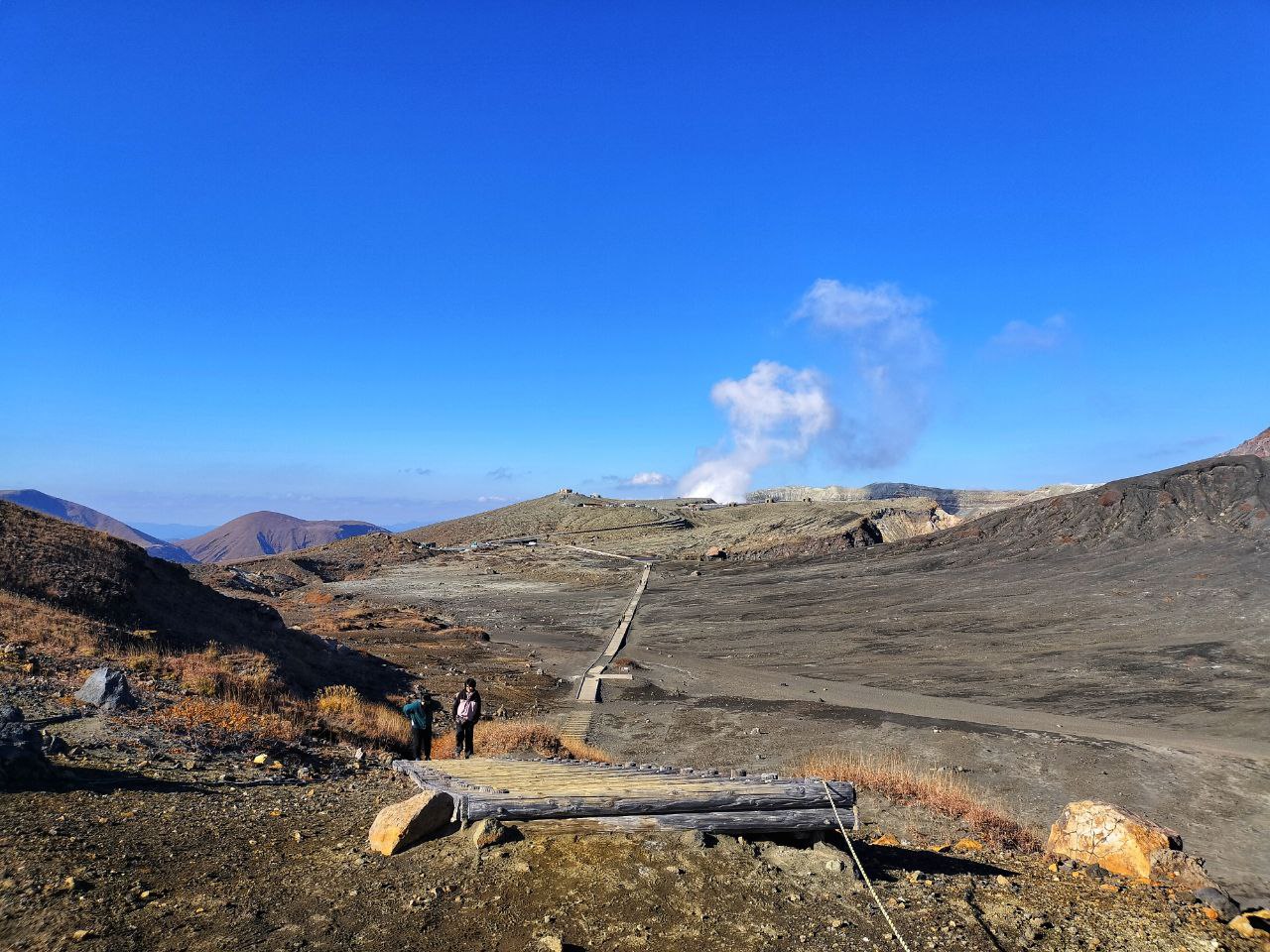
Aso is a mountain basin in Kumamoto Prefecture, and that geography shapes the mood straight away. After sunset, the streets feel calmer than in a big city, but that doesn’t mean they’re sleepy. You’ll often find a steady flow of locals, travellers, and onsen guests heading out for dinner and drinks.
The area sits near Mount Aso, one of Japan’s most famous volcanic landscapes, and that gives the whole region a strong sense of identity. During the day, people come for sightseeing, hiking, and the open countryside, then at night they shift into food mode. No joke: that change in pace is half the fun.
Aso is also a place where you can feel regional Japan rather than standard tourist Japan. Shops close earlier, streets are smaller, and the evening scene is built around real local life. Personally, that’s a big part of the appeal.
What an izakaya is, and why it works so well in Aso
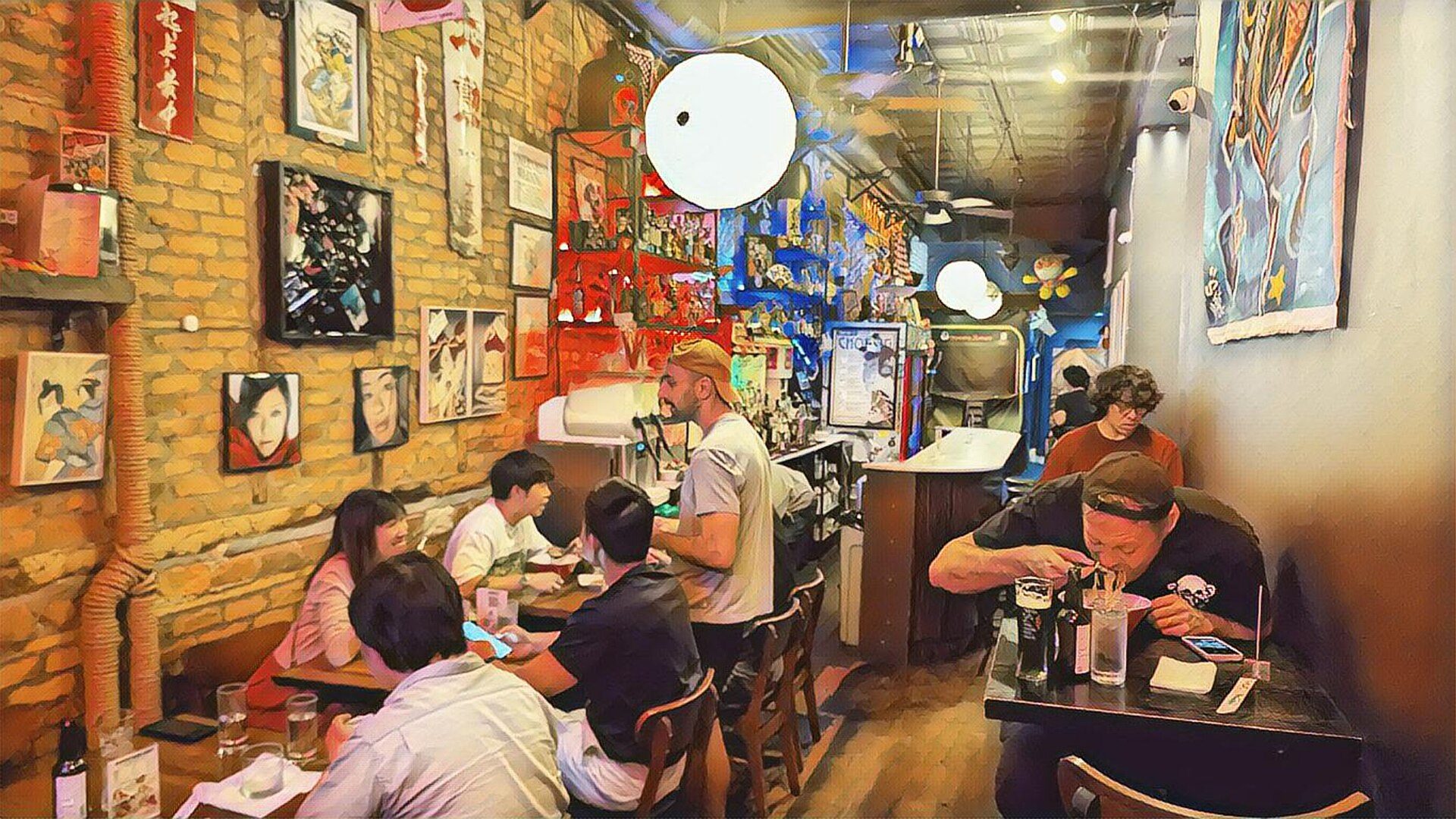
An izakaya is basically a Japanese pub, but that translation only gets you halfway there. It’s part drinking spot, part dinner place, part social room, and the atmosphere is usually casual and welcoming. You can order a beer, 焼酎 (shochu, Japanese distilled spirit), sake, or oolong tea, then pair it with small dishes shared at the table.
Picture this: a wooden counter, menu cards written in chalk, a plate of grilled meat arriving hot, and a chef who remembers the local regulars by name. That’s the kind of scene izakaya do so well, and in Aso, it feels even more grounded because the town is smaller and the ingredients are often regional. Classic Japan, isn’t it?
Useful vocabulary for learners
If you are studying Japanese, an izakaya evening is full of words you’ll actually hear in real life. Try these: sakana for small drinking snacks, 肉 (niku) for meat, yaki for grilled dishes, and 乾杯 (kanpai, cheers) for the toast. A great example: if the staff asks 何にしますか (nani ni shimasu ka, What would you like to order?), they are simply asking what you would like to order.
By the way, many menus use set phrases, so even beginners can recognise patterns fast. That makes izakaya a nice low-pressure place for listening practice. From my experience, it’s one of the easiest ways to pick up everyday Japanese.
Regional food and evening atmosphere in Aso
The best part is that the food isn’t trying to impress you with trends; it’s trying to taste like Aso. Local vegetables, mountain ingredients, grilled fish, and meat dishes often appear on the menu, and Kumamoto is famous for things like 馬刺し (basashi, horse sashimi), horse meat served raw in thin slices. Not every traveller will try it, but it’s one of those dishes that says, very clearly, “you are in this region now.”
And it gets better: Aso is also strong on dairy, potatoes, and produce from the highland environment. Depending on the season, you may see dishes built around fresh greens, hearty stews, or charcoal-grilled items that fit the cooler mountain evenings. A good izakaya in this area often feels like a bridge between farm, market, and bar.
Compared with back home, the pace is slower, and that changes how you eat. In many countries, dinner is just dinner. In an izakaya, you stay, sip, chat, order one more plate, then one more drink, and the evening stretches out naturally. That lingering rhythm is exactly what makes the experience feel local. Personally, I think that’s the real draw.
My tip for choosing where to go
What I especially like is picking a place that locals seem to use after work. Look for handwritten menus, daily specials, and a mix of small tables and counter seats. If the room has a slightly noisy but friendly buzz, you’re probably in the right place.
To be fair, you don’t need to drink alcohol to enjoy an izakaya. Many places offer soft drinks, hot tea, and food-only ordering, so it still works if you want the atmosphere without the buzz. That makes it easy for Japan fans who want the cultural side without feeling pressure. See what I mean?
How to enjoy an izakaya evening in Aso like a local
Start a little later than you would for lunch, because izakaya culture really comes alive after work hours. Around 6 to 8 pm is a good window, and if you’re staying at a ryokan or hotel, ask the staff for a nearby recommendation. They often know which places are busy, which ones are quiet, and which ones are worth the short walk.
Then keep your order simple at first. One drink, one grilled item, one regional dish. That gives you time to watch the room, listen to the language around you, and settle into the flow. Trust me on this one: trying to sample everything at once is less fun than pacing yourself.
And if you want to practise Japanese, this is a great setting. A polite すみません (sumimasen, excuse me / sorry) to call the staff, a cheerful kanpai with your group, and a quick arigato when you leave are enough to make the experience feel much more connected. This is my absolute hidden gem!
Aso gives you something that bigger cities often hide behind noise and neon: a local night out with real regional flavour. The volcano, the countryside, the food, and the izakaya mood all fit together neatly, and that is why the evening here feels so memorable. Not bad, right?
If you want more Japan stories like this, check out more Japan news on jpnerd.com.
Frequently Asked Questions
What is an izakaya?
An izakaya is a casual Japanese pub where people go for drinks and small dishes, often after work or while travelling.
Why is Aso a good place for an evening out?
Aso has a relaxed local atmosphere, regional food, and a strong sense of place, which makes dinner feel more personal than in a big city.
Can non-drinkers enjoy an izakaya too?
Yes. Many izakaya serve soft drinks, tea, and food-only options, so you can enjoy the setting without alcohol.