From Osaka to the World: Capcom and the Birth of Survival Horror
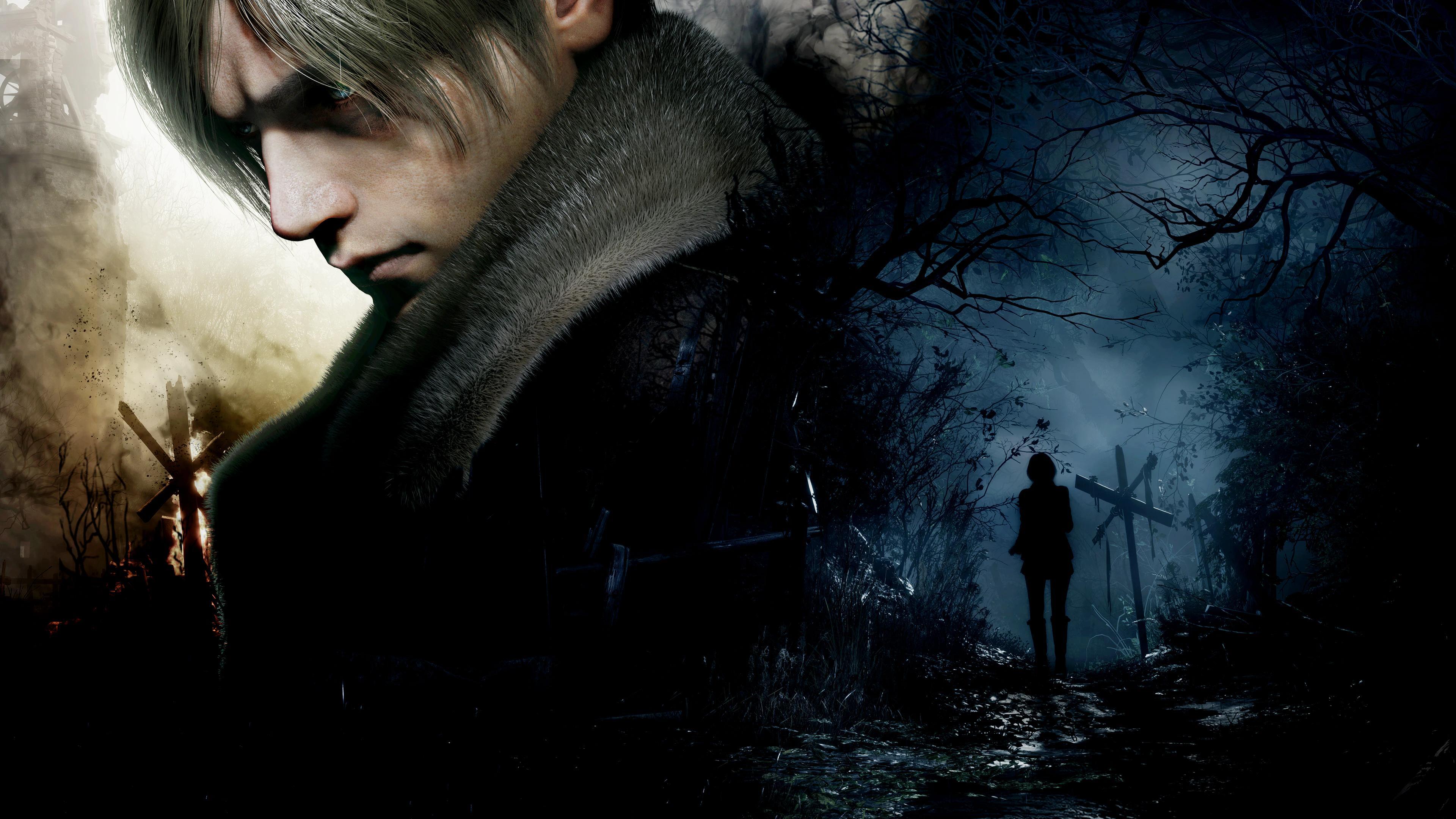
When Western gamers think of horror franchises, they don't always think of Japan first. However, the survival horror genre as we know it was essentially invented in a Capcom office in Osaka, and the first Resident Evil dropped on March 22, 1996, for the original PlayStation. It sold over five million copies in its first year. That's not a coincidence; that's vision.
![Startup Company [Console Edition] (Limited Edition)](https://s.pacn.ws/1/p/157/startup-company-console-edition-limited-edition-741799.16.jpg?v=ry4mm8&width=400)
![Startup Company [Console Edition]](https://s.pacn.ws/1/p/157/startup-company-console-edition-741779.10.jpg?v=ry4ngq&width=400)
Capcom was already a well-established name in Japan by the mid-1990s, known for Street Fighter and Mega Man. But producer Shinji Mikami and his team wanted something different, something that would make players genuinely uncomfortable. The fixed camera angles, the limited inventory, the ink ribbons for saving progress, all of it was designed to create tension, not just action.
The Japanese word for horror is ホラー (hora), borrowed from English, but Japan has its own deeply rooted tradition of ghost stories called 怪談 (kaidan). What Capcom did was blend that cultural anxiety about the unknown with very Western horror aesthetics: mansions, zombies, mad scientists. The result felt both familiar and completely alien. From my experience, that mix is exactly why the series connected so strongly with players on both sides of the Pacific.
Sweet Home (1989): The Famicom Game That Started It All
Many overlook the fact that Resident Evil didn't come out of nowhere. Its direct spiritual predecessor was Sweet Home, a role-playing horror game released in 1989 exclusively in Japan for the Nintendo Famicom. The game was developed by Capcom and based on a Japanese horror film of the same name directed by Kiyoshi Kurosawa.
Sweet Home was genuinely disturbing for its time. It featured multiple endings, permadeath for party members, and imagery that pushed the Famicom hardware to its limits: blood on the floors, ghosts, a crumbling mansion full of dread. Sound familiar? Shinji Mikami has openly acknowledged Sweet Home as the core inspiration for the original Resident Evil. The mansion layout, the puzzles, the sense of isolation, it's all there, seven years earlier, on an 8-bit cartridge.
Why Sweet Home Never Left Japan
Nintendo of America refused to localise Sweet Home due to its graphic content. That decision kept it locked in Japan for decades, which is one reason so many Western fans discovered it only after becoming Resident Evil obsessives who wanted to trace the bloodline. Today, fan translations exist, and it's absolutely worth playing if you're serious about Japanese gaming history.
My tip? If you're learning Japanese, Sweet Home is actually a manageable text adventure for intermediate learners. The kanji count is reasonable, the vocabulary leans heavily on atmospheric descriptions, and playing it gives you a real window into early Showa-era horror aesthetics. Words like 幽霊 (yuurei, ghost) and 呪い (noroi, curse) come up constantly.
The Guardian Looks Back: 30 Years of a Japanese Icon
The Guardian's recent retrospective on 30 years of Resident Evil does an excellent job tracing the franchise's highs and lows, from the genre-defining original through the divisive Resident Evil 6 in 2012 to the stunning comeback of Resident Evil 7 in 2017 and the critically acclaimed remakes of RE2 and RE3. The piece rightly points out that Capcom's willingness to reinvent the formula repeatedly is what kept the series alive when imitators faded.
That brings us to something worth spelling out clearly. Capcom isn't some abstract Western-facing corporation. It was founded in 1979 in Osaka as a manufacturer of arcade game machines, and it remains headquartered there today. The company's full Japanese name is 株式会社カプコン (Kabushiki-gaisha Kapukon). Understanding that Capcom is a Japanese company, shaped by Japanese work culture, Japanese horror traditions, and Japanese consumer expectations, completely changes how you read the Resident Evil series.
While we're at it, the Japanese market received several Resident Evil games with different content or timing compared to Western releases. Biohazard, the Japanese title for the franchise, uses a name that sounds clinical and scientific, while the Western title leans into pulpy B-movie energy. Even the branding tells you something about how Capcom read its different audiences.
The Remake Era and What It Means for Capcom's Legacy
Guess what? The Resident Evil 2 Remake of 2019 became one of Capcom's best-reviewed games ever, sitting at a Metacritic score of 91. The RE4 Remake in 2023 hit 93. These aren't just nostalgia products; they're genuinely excellent games that introduced the series to an entirely new generation. Capcom's RE Engine, developed in-house, is now one of the most respected game engines in the industry, also powering Devil May Cry 5 and Monster Hunter Rise.
What I especially like is that the remakes don't erase the originals. Capcom has been careful to position them as reimaginings, which shows a respect for the source material that feels very much in line with Japanese attitudes toward craft and legacy. In Japan, there's a concept sometimes described as 守破離 (shu-ha-ri), a martial arts philosophy about first mastering tradition, then breaking from it, then transcending it. The Resident Evil remake strategy feels like exactly that.
Japanese Horror Culture and What Learners Can Take From It
Before I forget, for anyone learning Japanese, the Resident Evil series is a surprisingly good resource. The Japanese voice acting in recent entries is top quality, and playing games like Resident Evil Village or Resident Evil 4 Remake in Japanese with Japanese subtitles gives you exposure to tense, cinematic dialogue rather than the textbook Japanese most courses rely on.
Japanese horror as a genre, whether in games, film, or literature, tends to focus on psychological dread rather than gore alone. Think of classics like Ring (リング, Ringu) or Ju-On. Capcom absorbed that sensibility and pushed it into an interactive format. The result is a series that, at its best, makes you feel watched, hunted, and deeply unsafe, which is a very specific emotional register that Japanese horror excels at.
Trust me on this one: spending time with Japanese horror media, whether it's Sweet Home, the original Biohazard on PS1, or even Japanese horror manga like Junji Ito's work, gives you a cultural context that no textbook provides. The vocabulary of fear, the grammar of tension, these are things you absorb by immersion. Personally, I'd rather learn the word 恐怖 (kyoufu, terror) from a Resident Evil cutscene than from a flashcard.
Convinced yet? Thirty years is a long time for any franchise to survive, let alone thrive. Capcom built something in 1996 that still sells millions of copies in 2026, and it started with a horror RPG on a Japanese console that most of the world never even played. That's a story worth knowing, whether you're a gamer, a Japan fan, or someone just starting to learn Japanese and looking for a way in.
Find more Japan news on jpnerd.com.
Frequently Asked Questions
What is the connection between Sweet Home (1989) and Resident Evil?
Sweet Home was a Famicom horror RPG developed by Capcom in 1989, released only in Japan. Shinji Mikami has confirmed it was the primary inspiration for the original Resident Evil in 1996, borrowing its mansion setting, puzzle structure, and atmosphere of isolation.
Why is Resident Evil called Biohazard in Japan?
Capcom used the title Biohazard for the Japanese market, which emphasises the scientific and viral horror elements of the story. The name Resident Evil was chosen for Western markets partly because a US band had already trademarked the name Biohazard.
Can I use Resident Evil games to practise Japanese?
Yes. Recent entries like Resident Evil 2 Remake, RE4 Remake, and Village offer full Japanese audio and subtitle options. The dialogue is cinematic and varied, making it useful for intermediate to advanced learners who want exposure to natural, dramatic Japanese speech.