
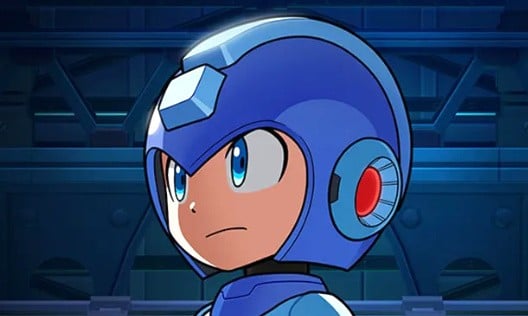
McDonald’s Japan and Capcom: a familiar kind of tease
Guess what? McDonald’s Japan has a habit of turning fast food into a tiny pop-culture event, and this new tease feels very much in that lane. The company hasn’t said everything outright, but the timing, the visual clues, and the Capcom connection are enough to make Japanese fans sit up and take notice.
![Dragon Ball Z: Kakarot [Master Edition]](https://s.pacn.ws/1/p/1eh/dragon-ball-z-kakarot-master-edition-908785.1.jpg?v=t8ja8t&width=400)


That’s why this story matters, even if it sounds small at first. Japan-only promotions often become mini moments of internet culture, especially when they connect food, games, and limited-edition merch. For learners of Japanese, this is also a nice reminder that 喜劇 (kigeki, comedy) style marketing, playful teasing, and short social posts are a big part of how brands speak to local audiences.

McDonald’s Japan has done this kind of thing before, and it usually works because the audience already knows the references. When a campaign nods towards Capcom, people don’t just think about burgers, they think about nostalgia, collectability, and the chance to see favourite characters on packaging or in set menus. Convinced yet?
Why Street Fighter and Mega Man fit this promo so well
What many overlook is that Capcom has two of the most recognisable game brands in Japan and beyond, and both have been used in tie-ins for years. Street Fighter launched in 1987, while Mega Man first arrived in 1987 on the Famicom, so both series carry enough history to trigger instant recognition in a quick teaser.
Street Fighter is made for brand crossovers
Street Fighter has always had a bold, colourful look, which makes it easy to adapt for fast-food packaging, stickers, cups, and social media art. Characters like Ryu, Chun-Li, and Ken are readable at a glance, even for casual fans. If McDonald’s Japan wants something that spreads quickly online, Street Fighter is the safe bet.
What I especially like is that Street Fighter promotions tend to feel playful rather than forced. A burger box with Ryu’s gi colours or a drink cup with Chun-Li’s blue palette would be instantly recognisable, and that matters in Japan, where limited-time goods often live or die by design appeal. My tip: if you’re learning Japanese, watch for character names and product terms in these campaigns, because they’re often printed in simple, easy-to-read text. Highly recommended:
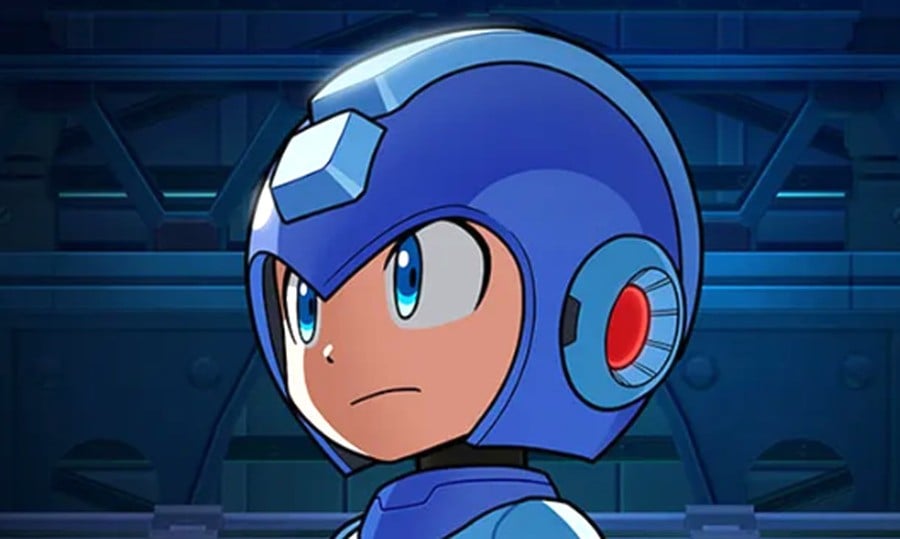
Mega Man brings a different kind of nostalgia
And it gets better: Mega Man, known in Japan as Rockman, gives the promo a second layer of appeal. It speaks to older players who grew up with the Famicom, but it also has a clean, mascot-friendly design that works beautifully on merchandise. That makes it useful for a Japan-exclusive food campaign, where the goal is often to sell both the meal and the mood.
Before I forget, Rockman is one of those words learners should know, because it appears in Japanese materials, old game covers, and fan discussions. If this tease ends up including Mega Man art, then you’ll probably see that term again in posts, labels, and maybe even special packaging. My verdict:
Japan-exclusive promotions and why they matter
Unlike what we’re used to in many other markets, Japan often treats fast-food collaborations like limited cultural releases. The promo can run for only a short window, sometimes a week or two, and the whole point is urgency. If you miss it, it’s gone, and that scarcity is part of the fun.
Speaking of which... McDonald’s Japan is especially good at turning these collabs into shareable events. A short campaign can generate photos of trays, wrappers, toys, and drinks across X, Instagram, and YouTube within hours. That’s not accidental, it’s how Japan’s limited-time food culture works, from seasonal 桜 (sakura, cherry blossom) items in spring to Halloween and winter sets later in the year.

That reminds me: Japan-exclusive promos also reward people who pay attention to local language. Words like 期間限定 (kikan gentei, limited-time) (limited-time) and キャンペーン (kyampen, campaign) (campaign) pop up constantly in brand posts, and once you start noticing them, you’ll spot them everywhere. For learners, that’s real-world reading practice, not textbook practice, and it comes with a side of fries.
What this teaser could mean for fans and learners
Picture this: a short teaser drops, fans zoom in on every pixel, and social media starts connecting the dots between McDonald’s Japan and Capcom before the official reveal lands. That’s the modern rhythm of Japanese promo culture, and it works because the audience loves a puzzle.
For gamers, the appeal is obvious. For Japan fans, the fun is in the local flavour, because these campaigns usually don’t feel like generic global ads. They feel built for Japan, from the wording to the design to the way the announcement is shared. My tip: if you follow these promos, keep an eye on official McDonald’s Japan accounts and Capcom’s channels, because the next post is often the one that confirms everything.
For Japanese language learners, there’s a bonus too. These campaigns are packed with short, practical vocabulary, and the visuals help you guess meaning even before you know every word. That’s a very Japanese kind of learning moment, a little 楽しい (tanoshii, fun; enjoyable), a little addictive, and very easy to remember. Not bad, right?
Frequently Asked Questions
Is McDonald’s Japan officially working with Capcom?
Not yet, at least not in full detail. The current buzz comes from teasing and hints, so fans are waiting for a proper announcement.
Why do people think Street Fighter and Mega Man are involved?
Because both series fit Capcom’s history and Japan’s love of limited-time character promotions. Their designs also work very well on food packaging and merchandise.
Will this promotion likely be available outside Japan?
Probably not. McDonald’s Japan often runs region-specific campaigns, and that local exclusivity is part of the appeal.
