

For Japan fans and Japanese learners, this return is a neat window into how game centres still matter, even in a country where home consoles and online play dominate. And yes, there’s real language-learning value here too, from the vocabulary around arcades to the social etiquette of playing in public.
![Dragon Ball Z: Kakarot [Master Edition]](https://s.pacn.ws/1/p/1eh/dragon-ball-z-kakarot-master-edition-908785.1.jpg?v=t8ja8t&width=400)


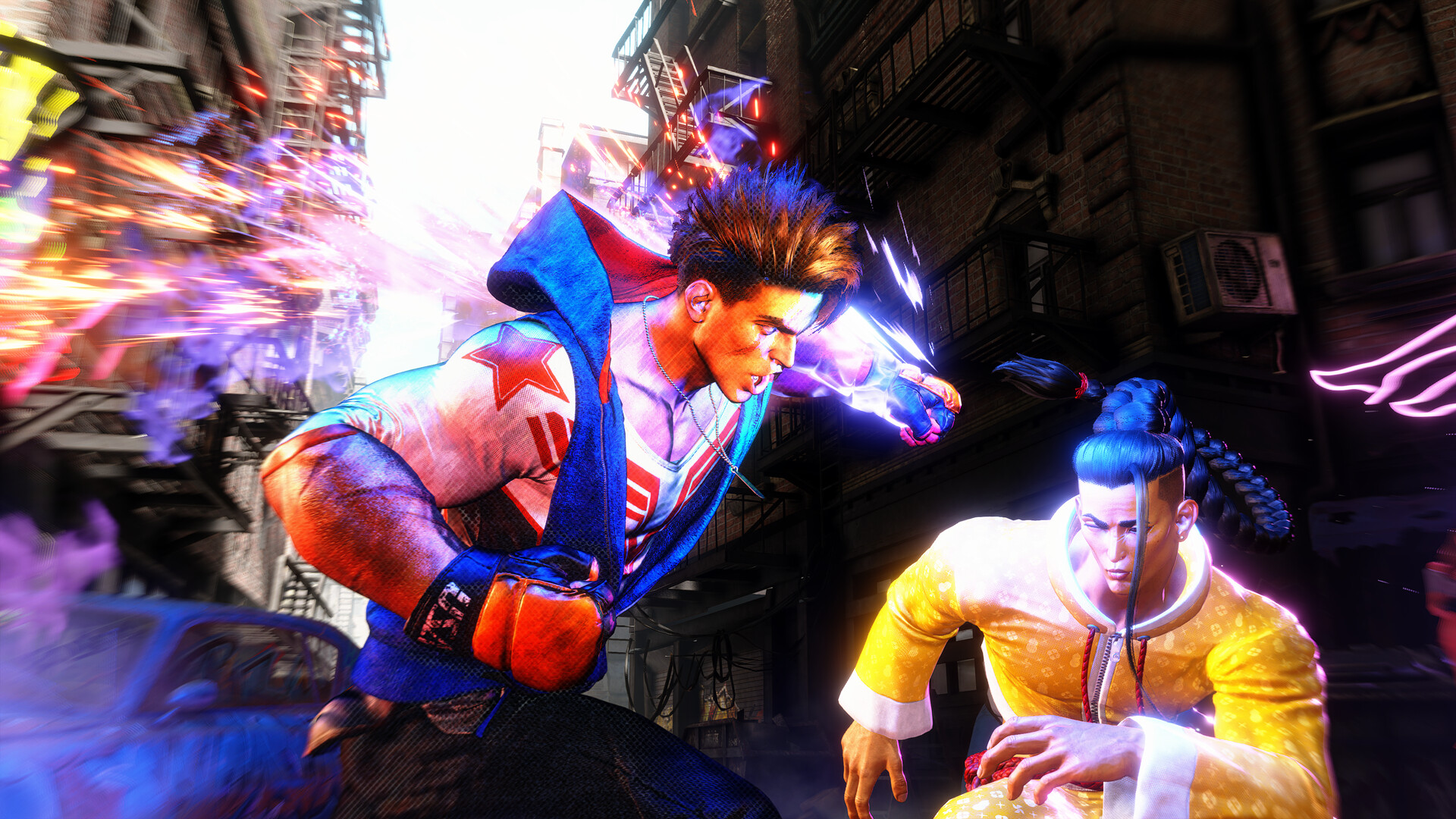
Street Fighter 6 Arcade Edition is back on the floor in Japanese game centres, and that makes this story bigger than a simple machine update. Capcom isn't just recycling an old hit, it's tapping into a place where fighting games were once part of everyday youth culture. If you love Japan, this is the kind of arcade return that feels both nostalgic and very current.
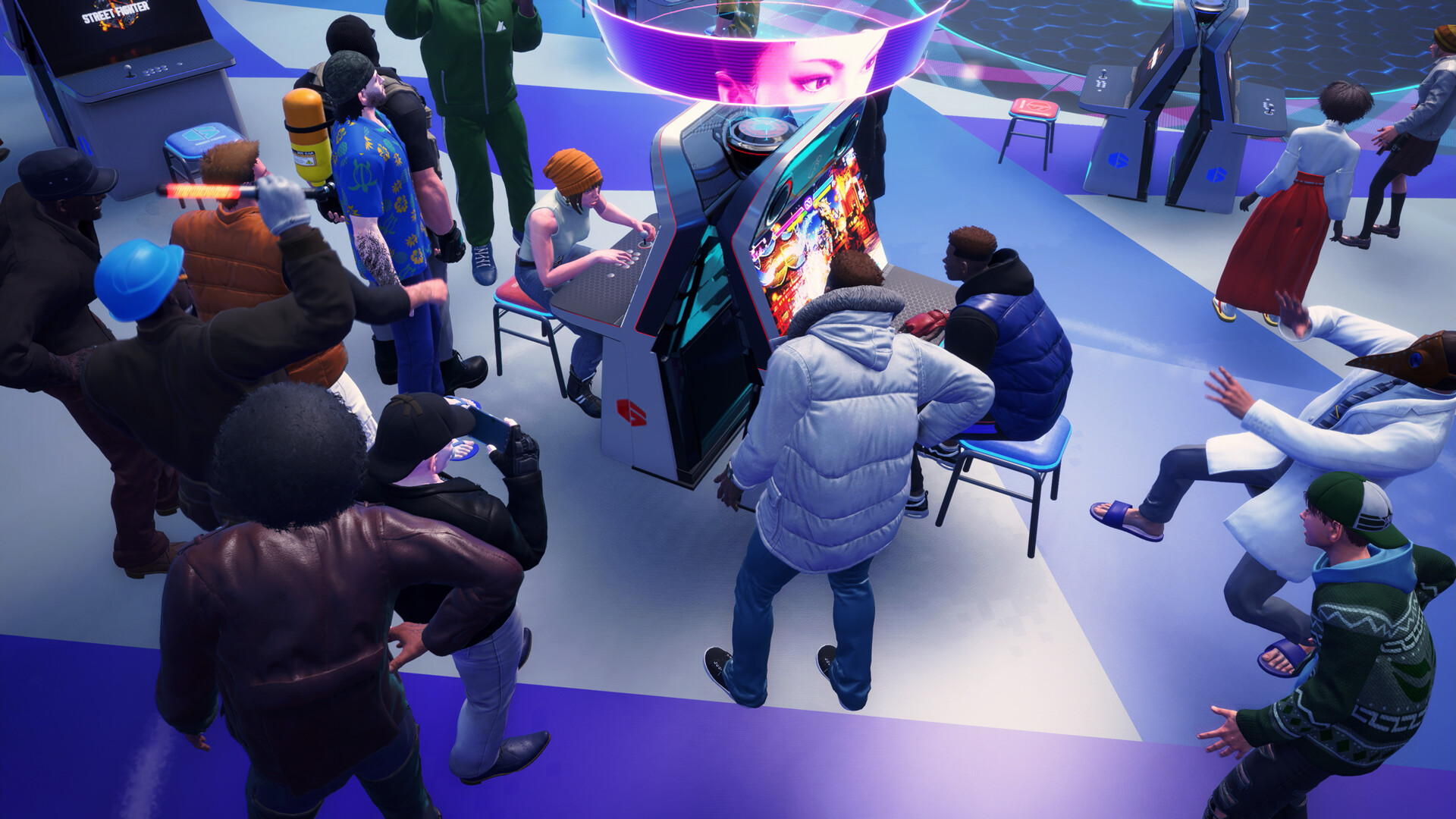
It’s early morning in Kyoto. The shutters of a game centre are still half down, the neon is off, and yet you can already picture what happens once the doors open: coin clinks, button taps, and a crowd forming around the cabs. That scene is exactly why Street Fighter still matters in Japan, because the game was built for the noise, the tension, and the shoulder-to-shoulder energy of the arcade.
What many overlook is that Japan never fully let go of arcade culture. Sure, home play grew, especially after the PlayStation 2 era, but game centres kept their own identity. You still find them near train stations, in shopping streets, and inside entertainment buildings, often stacked with rhythm games, crane games, and fighting cabinets on the upper floors. Street Fighter 6 Arcade Edition fits right back into that ecosystem.
For learners, even the setting gives you useful words. Game centre is widely used in Japan, and you’ll also hear puresenta for player, 体感 (taikan, hands-on, immersive experience) for a trial-like experience, and 競争 (kyousou) for competition in some contexts. If you walk into a Japanese arcade, you’ll notice how compact the space feels, how seriously people treat their turn, and how much quiet respect there is around other players. That social code is part of the charm. My tip: watch a few arcade videos and listen for the pace of the announcements, because that gives you natural listening practice in a real Japanese environment. From my experience, that’s a lot more useful than memorising isolated textbook phrases.
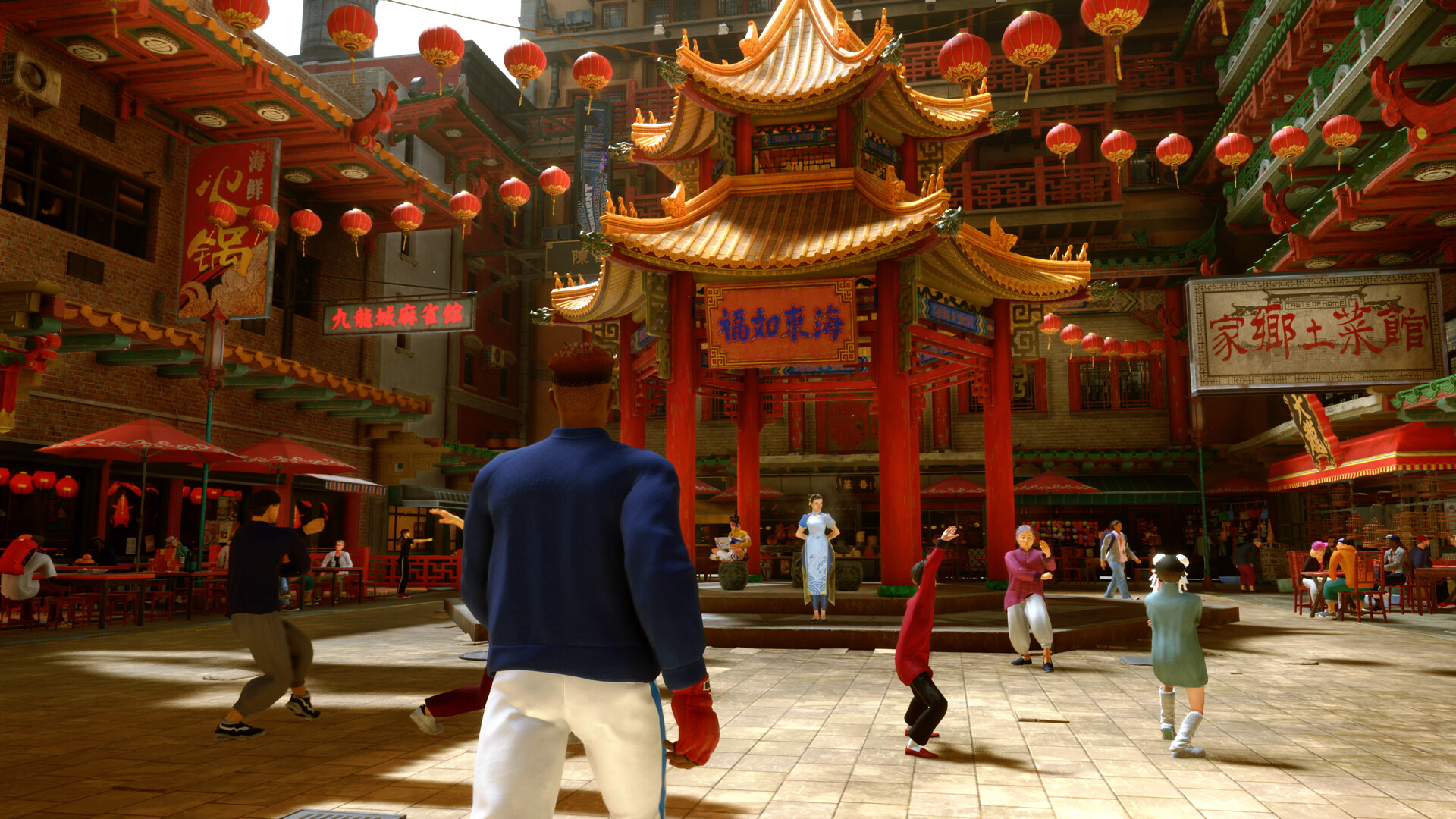
Capcom, Street Fighter, and the Japanese Arcade Return
Let me show you why this matters for Capcom. Street Fighter II, released in 1991, helped define the modern fighting game, and Japan's arcade scene was one of its original homes. Later entries came and went, but the series never lost its street-level identity, the feeling that anyone could step up, insert a coin, and prove something. Street Fighter 6 Arcade Edition revives that feeling in a form built for 2020s game centres.
According to coverage from ad hoc news, the new arcade edition brings Capcom's flagship fighter back into Japanese game centres, where it can once again be played in a public, competitive setting. That’s the key point. This isn't just a console port in a different box, it's a deliberate arcade return, designed for the kind of player who wants heat, spectators, and a quick rematch instead of a couch session.
For many Japanese fans, that changes the entire feel of the game. On a home console, you play alone or with friends online. In an arcade, every match becomes a small performance. The best part is that strangers can watch, comment, and sometimes challenge the winner straight after. Wild, isn't it? That loop is exactly what made fighting games explode in Japan in the first place.
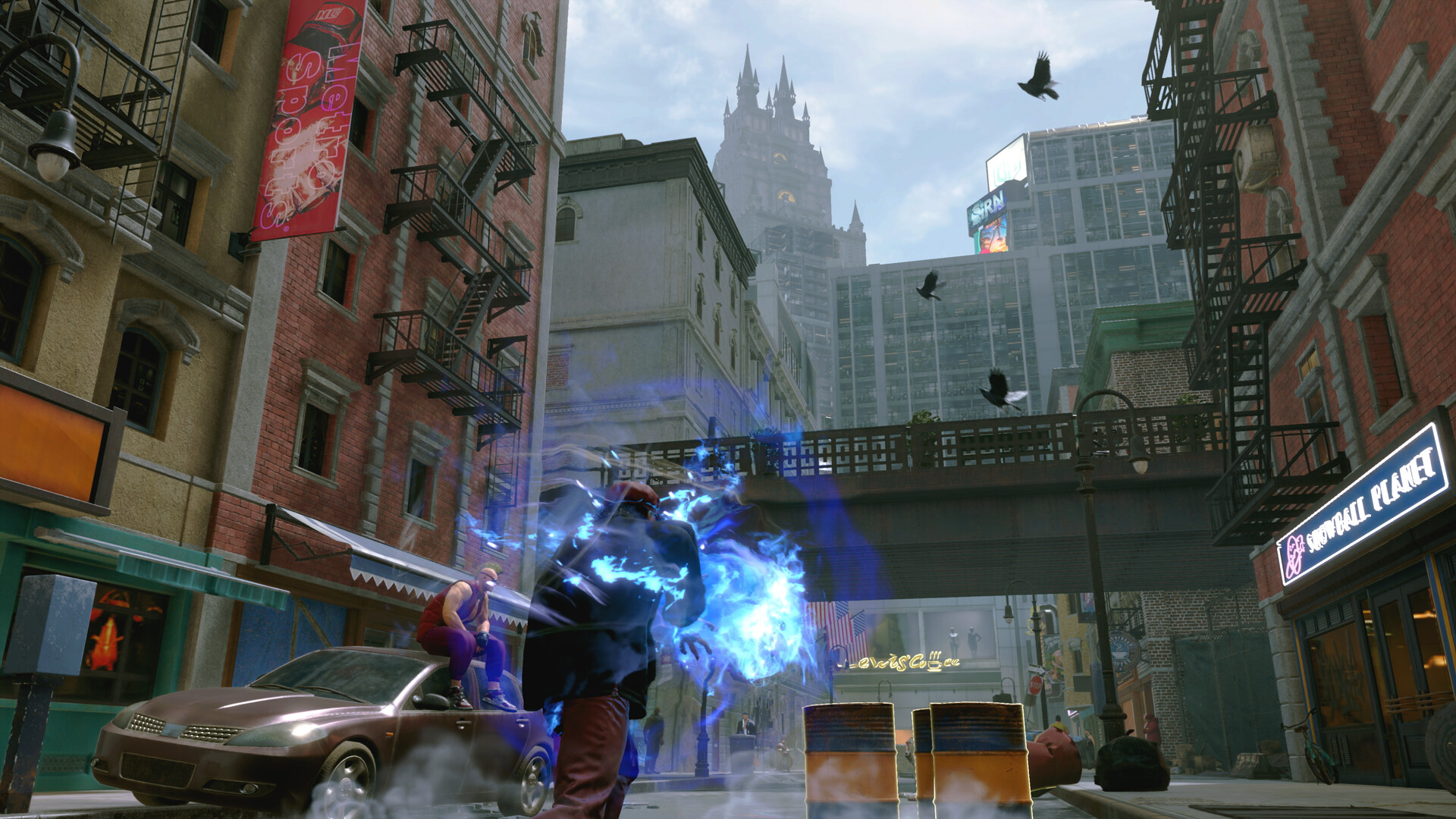
Why game centres still work for fighting games
Basically, fighting games need instant feedback, short rounds, and visible momentum. A game centre gives you all three. You can play one set, step aside, and learn from the next person in line without waiting for a long matchmaking screen or loading sequence. That physical rhythm is why the genre has always felt at home in Japanese arcades.
Arcades also support a different kind of fandom. People don't just play, they observe, they memorise tactics, they recognise regulars, and they build tiny local scenes. In Japan, those scenes can be intensely loyal. If a cabinet gets a good reputation, players will travel for it. That kind of local prestige is still powerful, even if the industry is much smaller than it was in the 1990s.
What Street Fighter 6 Arcade Edition says about Japanese arcade culture
Here's the thing: Japanese arcades aren't frozen in the past. They’ve adapted. You’ll see crane games, medal games, card games, and music games sitting side by side with the fighting cabinets. The modern game centre survives by mixing nostalgia with fresh content, and Capcom knows that. A title like Street Fighter 6 Arcade Edition isn't there by accident, it's there because arcade culture still has enough pull to justify the investment.
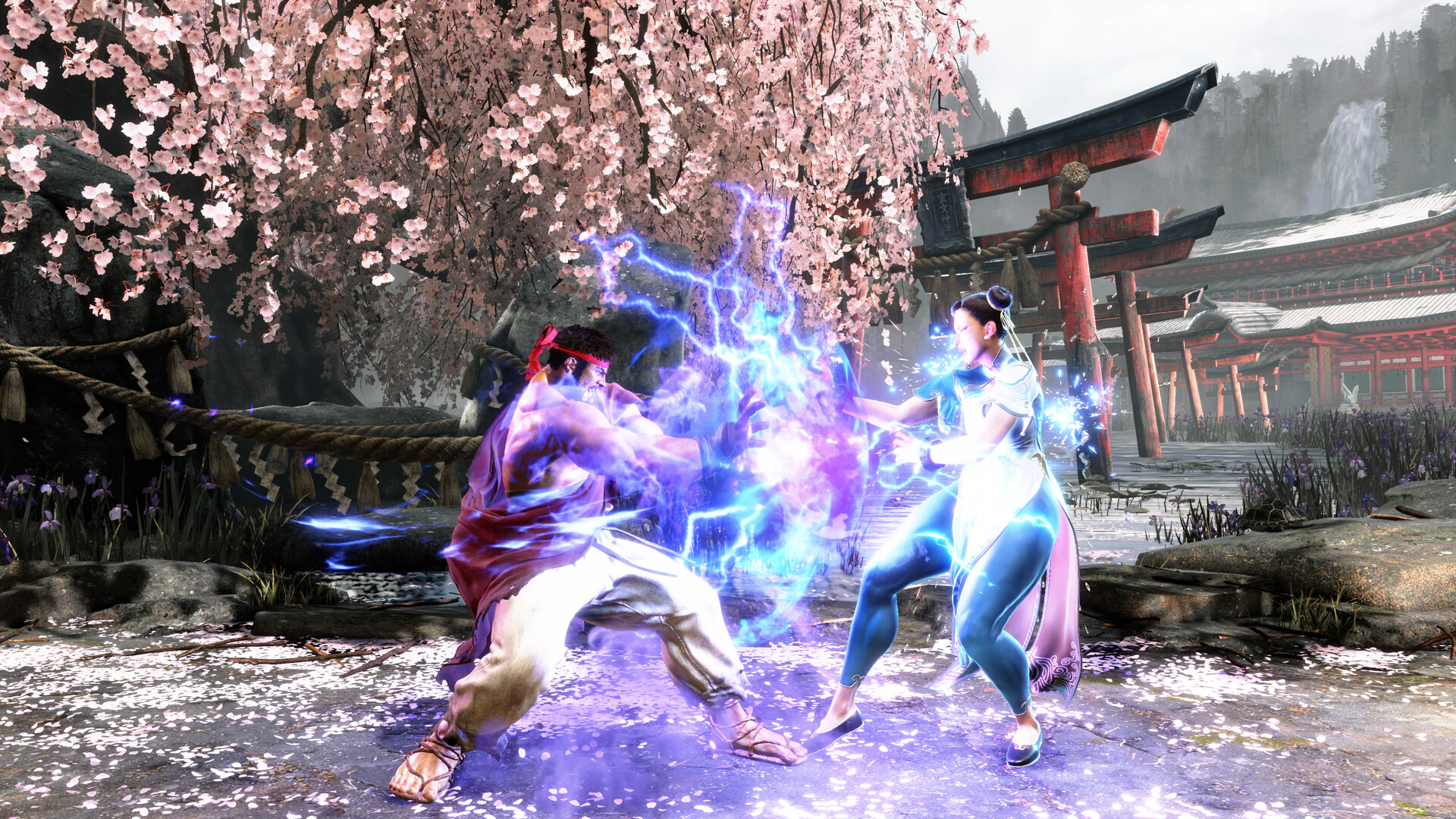
On the flip side, arcades are not cheap to run, and not every location in Japan has the same strength it once did. Yet the ones that remain are often more carefully curated. They lean into atmosphere, tournaments, community events, and highly social play. That makes an arcade release feel special. You're not just launching a game, you're placing it into a living local scene.
For Japan enthusiasts, this is also a nice reminder that game centres are part of modern Japanese city life, not just a retro curiosity. If you visit Akihabara, Ikebukuro, Namba, or Shinjuku, you’ll still see crowds of players around fighting game cabinets. The energy is real, and so is the competition. My verdict: that is exactly why Street Fighter 6 Arcade Edition feels like a proper return, not a museum piece.
Learning Japanese through arcade culture
Trust me on this one: if you like games, arcades are a goldmine for casual Japanese learning. Menu screens, event posters, and cabinet instructions often use simple but practical words. You’ll run into terms like 対戦 (taisen, match against another player; versus play) for versus play, 入局 (nyuukyoku, joining; entry) for entering or inserting money, and 方角 (hougaku) for directions when you're trying to find a specific floor. Even the social side teaches you things, because Japanese arcades rely a lot on turn-taking and reading the room.
What I especially like is that arcade spaces give language context. You’re not learning words in a vacuum, you’re seeing them attached to movement, sound, and habit. That makes vocabulary stick. If you can read a poster for a tournament or follow a rule sign at a game centre, you're already doing real-world Japanese, not just workbook Japanese.
In pictures
Frequently Asked Questions
What is Street Fighter 6 Arcade Edition?
It is an arcade version of Street Fighter 6 designed for Japanese game centres and public competitive play.
Why does an arcade release matter in Japan?
Because game centres are still part of Japanese urban culture, especially for fighting games and social play.
Can Japanese learners get value from arcade news?
Yes. Arcade menus, posters, and community language are useful for practical reading and listening practice.
If you want more coverage like this, check out more Japan news on jpnerd.com.