If you like the idea of a relaxed hot-spring break without losing the charm of a classic Japanese inn, this is one to watch. It’s a nice reminder that Nagasaki still knows how to do slow travel well.
Ooedo-Onsen-Monogatari Premium Nagasaki Seifu returns in Nagasaki
Ooedo-Onsen-Monogatari Premium Nagasaki Seifu has reopened in Nagasaki after renovation, with the official restart date set for 29 April. For Japan fans, that date is more than just a calendar note, because it brings back one of Kyushu’s better-known onsen-style ryokan stays in a refreshed form.
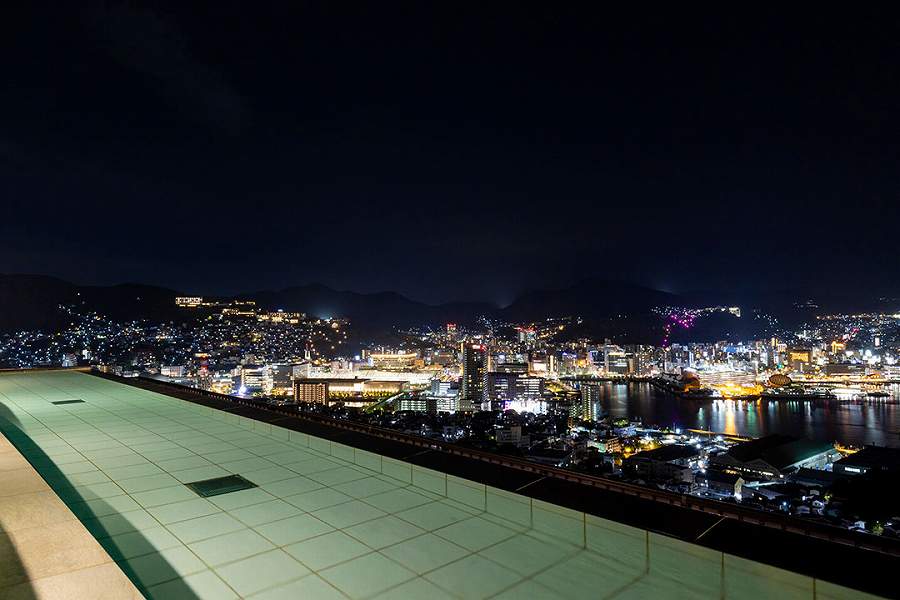
The property sits in Nagasaki, a city that’s always mixed history, sea views, and a slightly different rhythm from the bigger tourist hubs. That mix suits a ryokan stay perfectly, especially when the goal is to slow down, soak, eat well, and sleep properly. Sounds good, right?
What the Premium branding means for this ryokan in Kyushu
The big change is the Premium branding. Ooedo-Onsen-Monogatari has been steadily shaping some of its properties into more upmarket stays, and this reopening puts Nagasaki Seifu into that lane after renovation. For travellers, that usually signals a more polished guest experience, better facility presentation, and a stronger emphasis on comfort while keeping the public-bath atmosphere that many people want in the first place.
To be fair, not every traveller wants a luxury label attached to an onsen hotel. But in practice, Premium often means you get the easier, smoother version of a ryokan break, without losing the fun parts, like 浴衣 (yukata, light cotton robe), buffet dinner, and the anticipation of your first bath of the evening. On a related note, Kyushu is one of the best places in Japan for this style of trip, because the island is packed with hot spring areas and has a long onsen culture. See what I mean?
Why Kyushu works so well for onsen trips
Kyushu has names that onsen fans know immediately, from Beppu to Yufuin to Unzen. Nagasaki adds its own character, with port-city scenery and a more international history than most places in Japan. That combination makes a stay like Nagasaki Seifu feel less formulaic than a standard city hotel night.
What many overlook: a ryokan in Kyushu isn’t only about the bath itself, it’s about the whole pace of the stay. You arrive, change into relaxed clothes, eat dinner without rushing, and let the evening stretch out. For Japanese learners, this is a great setting to notice words like ryokan, onsen, 布団 (futon, floor mattress), yukata, and 会社員 (kaishain-style, office-worker style) stress, which disappears the second you step into the lobby. Convinced yet?
Nagasaki Hotel Seifu after renovation
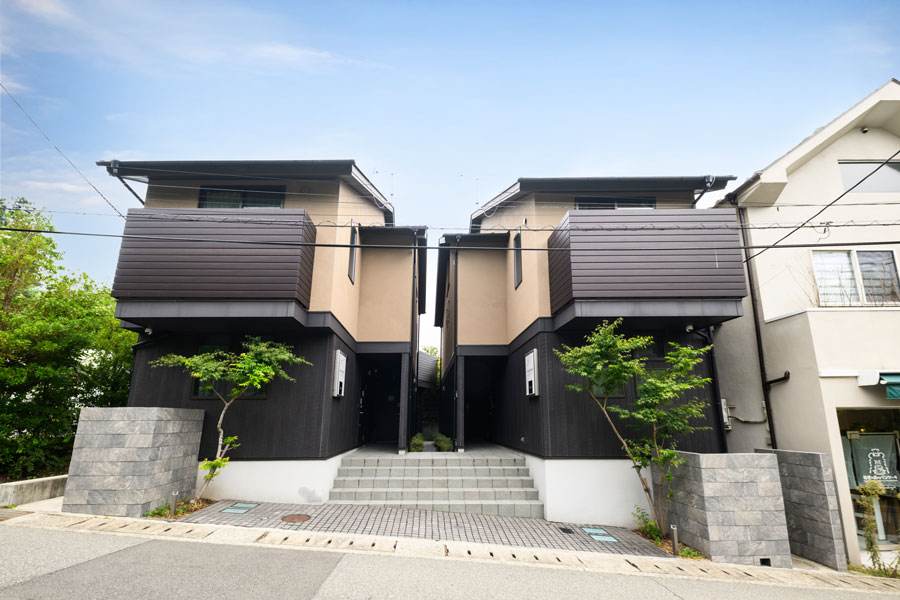
The property is known as Nagasaki Hotel Seifu, and this reopening gives it a new chapter under the Ooedo-Onsen-Monogatari Premium name. That matters because brand recognition in Japan can shape expectations very quickly. Travellers who have stayed at other Ooedo-Onsen-Monogatari properties will already know the basic formula, but a renovated site often comes with a better overall impression from the first minute.
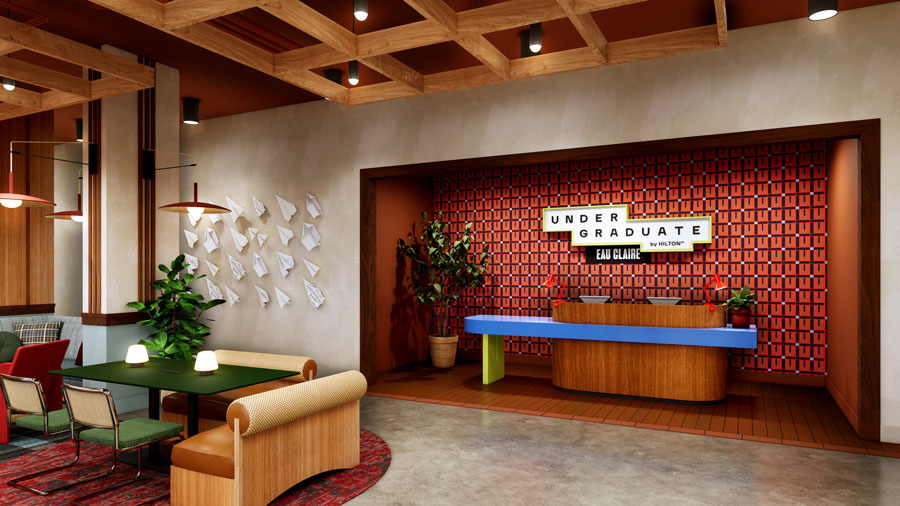



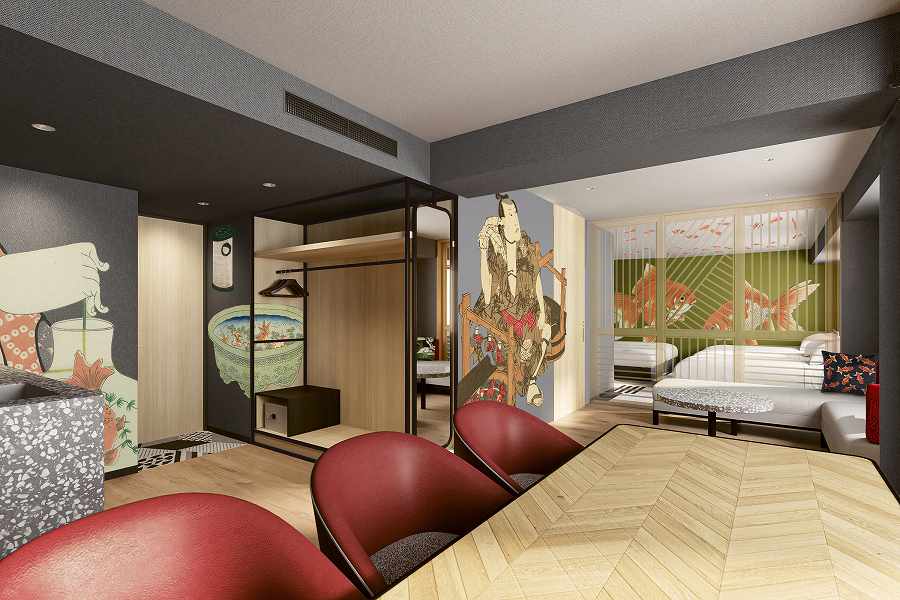
For example, a clearer front desk flow, cleaner shared spaces, and refreshed guest rooms can change how a trip feels even before you reach the bath. Small details matter in ryokan travel, maybe more than in regular hotel travel. A warm hallway, tidy slippers at the entrance, or a dining room that feels calm instead of chaotic, all of that adds up. It’s well worth paying attention to those details when you compare stays in Japan.
Who this reopening is really for
This is a good fit for domestic travellers looking for an easy hot-spring break, and for overseas visitors who want a ryokan experience without going too deep into remote countryside planning. Nagasaki is already a strong destination for history, food, and scenic views, so adding an onsen-style overnight makes the trip feel complete.
My tip: if you’re learning Japanese, this kind of trip gives you practical vocabulary everywhere, from the reservation desk to the bath area and dinner service. Even simple phrases like お願いします (onegaishimasu, please), ありがとう (arigato, thanks), and すみません (sumimasen, excuse me / sorry) come up naturally, and that makes the stay more memorable. Sounds weird, but it's true.
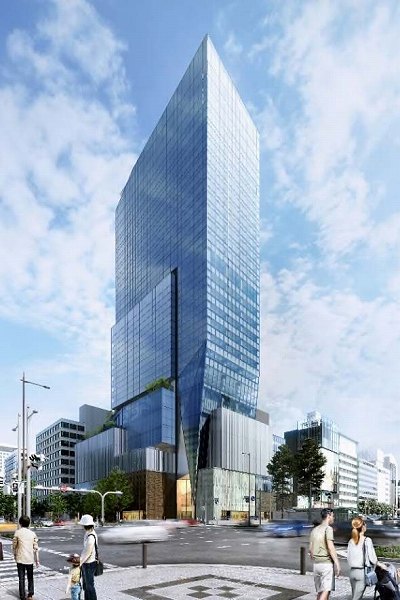
Why this reopening matters for Japan fans
For Japan enthusiasts, the reopening of Ooedo-Onsen-Monogatari Premium Nagasaki Seifu is a sign that the ryokan and onsen sector is still actively refreshing itself. Japan travel is full of famous names, but the interesting part is often the mid-sized hotel or ryokan that gets a second life through renovation. That’s where a lot of the real travel value sits.
And it gets better: renewed properties like this can help keep regional travel appealing, especially in places outside the usual Tokyo, Kyoto, and Osaka route. Nagasaki already has enough history and atmosphere to stand on its own, and a polished onsen stay gives visitors one more reason to stay an extra night. If you like travelling Japan with a slightly slower, more local feel, this sort of reopening is exactly the kind of news worth watching.
Imagine a narrow alley in Tokyo. Now replace the rush with steam, dinner, and a quiet evening in Kyushu. That’s the mood this reopening is aiming for, and for many travellers, that’s exactly the point.
In pictures
Frequently Asked Questions
When did Ooedo-Onsen-Monogatari Premium Nagasaki Seifu reopen?
It reopened on 29 April after renovation.
Where is Nagasaki Seifu located?
It is in Nagasaki, on the island of Kyushu.
What does the Premium branding suggest?
It usually points to a more polished stay with upgraded comfort and presentation.