
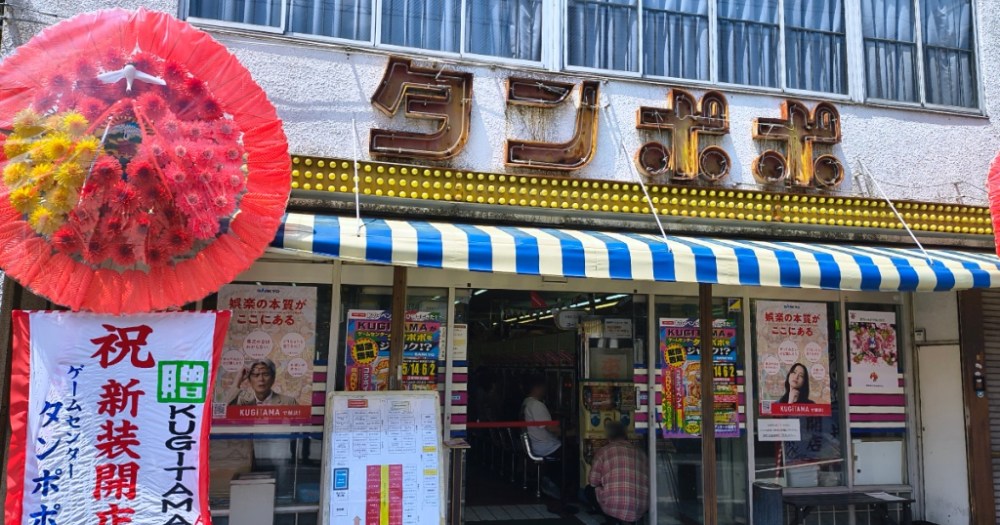
Tokyo pachinko parlor: noise, lights, and pure rhythm
No joke: the first time I walked into a Tokyo パチンコ (pachinko, Japanese pinball gambling game) parlor, I had to stop for a second and just look around. Rows of machines flashed in sync, metal balls clattered everywhere, and the whole room had that electric arcade energy you usually get at a big game centre in Shinjuku or Akihabara. The difference is that pachinko parlours are built around one very specific game, and that focus makes the whole place feel intense.



That reminds me: if you already like game centres, pachinko can feel weirdly familiar. The seats are private, the machines are packed together, and every player seems locked into their own little world. But unlike a typical arcade cabinet, pachinko is about timing, luck, and the satisfying chaos of tiny steel balls bouncing through a vertical maze. Sounds good, right?
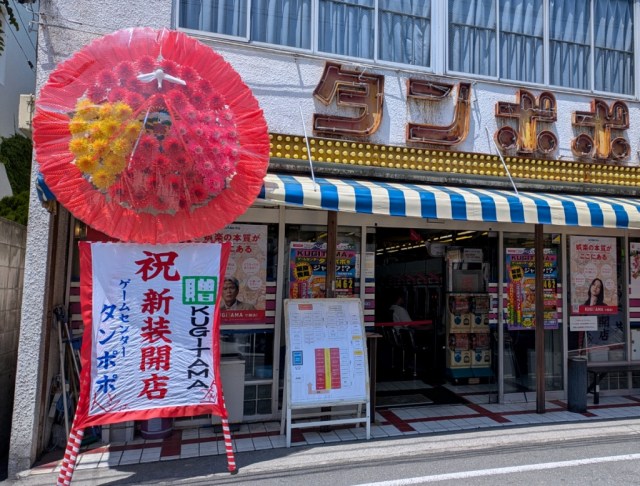
No cash prizes, no gambling payoff, and that changes everything
Plot twist: the Tokyo pachinko parlor at the centre of this discussion does not let you win cash or prizes. That sounds like a limitation, but it actually makes the place more interesting. Once money is taken off the table, you start paying attention to the game itself, the design, the soundscape, and the social experience.
Here’s the catch: in Japan, pachinko sits in a legal grey area that visitors often misunderstand. Players usually exchange winnings for special tokens or items, then handle any cash conversion separately through a nearby third-party counter. This particular parlor removes even that layer of prize-chasing, so it becomes closer to a pure play space, almost like a retro game hall with a very Japanese twist. The reason is simple: the machines are the attraction, not the payout.
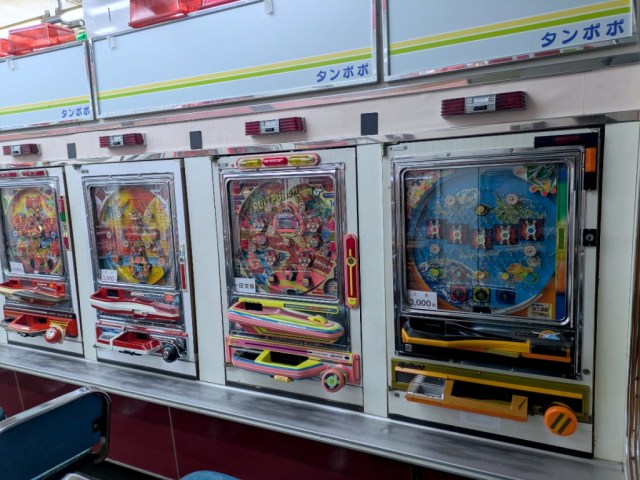
Why that feels so nerdy in a good way
What I especially like is the way this setup reveals pachinko as a design object. You start noticing machine themes, sound effects, lighting patterns, and how the ball flow changes from one cabinet to another. My tip: if you visit with a learner’s mindset, treat it like cultural fieldwork, not a money game. You’ll get much more out of the visit, and it makes the whole experience feel sharper. Not bad, right?
Why pachinko feels closer to a game centre than a casino
Basically, pachinko and a game centre both sell atmosphere before they sell results. In Akihabara’s Sega-style arcades, or at classic Taito game centres, you go for the machines, the sound, the challenge, and the little burst of excitement when something finally clicks. A pachinko parlor uses the same basic trick, only on a much larger and louder scale.
Fun fact: many Tokyo parlours are enormous, with multiple floors, rows of identical machines, and staff members moving through the aisles like a highly trained support crew. The player doesn’t just sit and spin, they settle into a booth, line up steel balls, and enter a sort of trance. That steady rhythm is part of the appeal, and it’s why the place can feel oddly soothing once you get used to it.
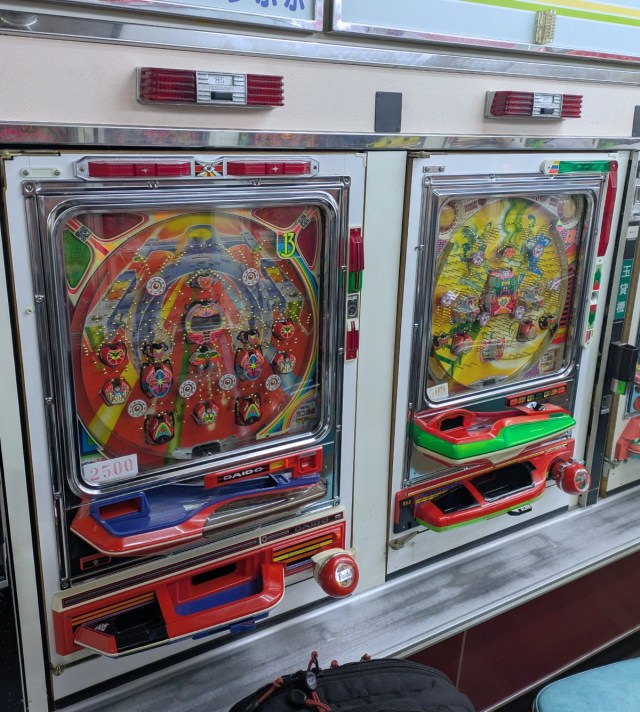



The game-centre comparison makes learning easier
For Japanese learners, the game-centre comparison is a useful mental bridge. Words like ゲームセンター (geemu sentaa, game centre / arcade), pasuchinko, and guruupu seating all help you map what you’re seeing onto familiar entertainment culture. If you’ve ever learned vocab by linking it to a place you already know, this is the same trick, only in real life. Trust me on this one: that kind of context sticks.
The culture around pachinko, from neighbourhood life to modern Tokyo
It’s early morning in Kyoto, but Tokyo still feels awake in my head when I think about pachinko. These parlours are part of urban Japan’s visual language, just like convenience stores, karaoke boxes, and those tiny ramen shops tucked under train tracks. They aren’t simply for gaming, they’re part of the city rhythm.
Here’s why that matters: pachinko has been around in modern form since the postwar decades, and by the 1970s and 1980s it had become a massive industry. The machines changed, the themes got more elaborate, and today many parlours look almost like theme parks for adults. Even when a place strips out money rewards, it still carries all that history in the background, and that’s why the experience feels layered rather than empty.
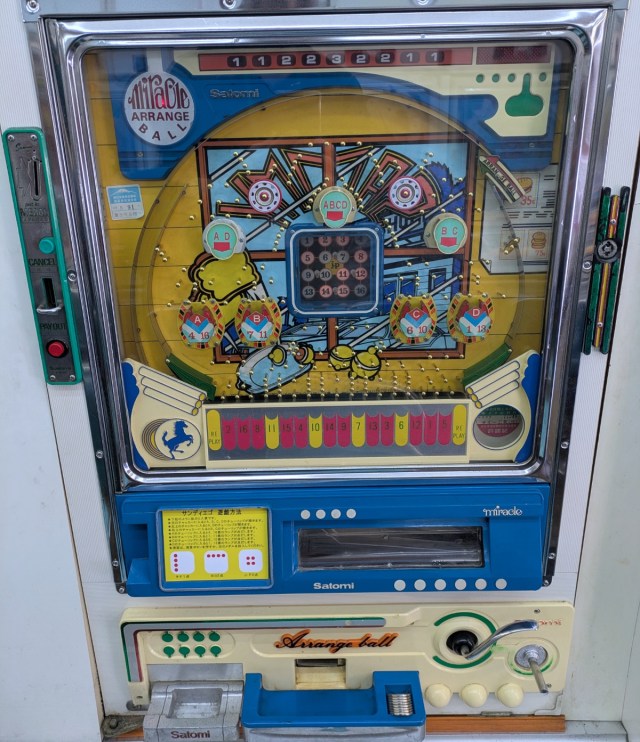
That said, the no-cash angle also softens the atmosphere for newcomers. You can focus on the culture, the mechanical skill, and the sound of the balls without worrying about the social pressure that sometimes comes with gambling spaces. My verdict: if you want to understand Japan beyond temples and sushi, this is one of those places that tells you a lot about everyday entertainment culture. This is my absolute hidden gem!
Pachinko vocabulary and what to notice on your first visit
When you walk in, you’ll hear a few useful words again and again. Pachinko itself refers to the game, 究極 (kyuukyoku, ultimate; supreme) or 当たり (atari, hit; win) often signals a hit or bonus state depending on the machine, and menbaa-style jargon can vary by brand and theme. Don’t worry about mastering everything, just listen for repeated phrases and machine prompts. That’s how you start picking up the language naturally.
What should you watch for? Start with the machine art, then the ball mechanics, then the player behaviour. Some players are calm and methodical, others treat each round like a tiny festival. Either way, the room teaches you a lot about Japanese patience, repetition, and the love of tightly designed systems. Sounds good, right?
In pictures
Frequently Asked Questions
Is a pachinko parlor the same as a casino?
No. It has a very different legal and cultural setup, and the experience feels closer to a noisy game hall than a casino floor.
Can you win cash at every pachinko parlor?
No. Some places do not offer cash or prize conversion at all, which shifts the focus to the game itself.
Why do Japan fans find pachinko interesting?
Because it combines city culture, game design, sound, light, and local habit into one very specific Japanese experience.


