
If you like Japan for its city festivals, craft culture, and slightly quirky local traditions, this one’s worth a closer look. Classic Japan, isn’t it?
Kobe Shoe Festival in Nagata: the 59th Kutsukko Matsuri
Unlike what we’re used to at big tourist events, the Kobe Shoe Festival feels grounded in everyday life. The 59th 靴っこ (Kutsukko, old-fashioned shoe term) 祭り (Matsuri, festival) took place in Nagata, a district of Kobe that’s long been tied to footwear production, and that local link gives the whole event its charm.

The name itself is worth noting if you’re learning Japanese. Kutsukko is a cute, old-fashioned word connected to shoes, and matsuri means festival, so the title already tells you what kind of gathering this is. It’s not a polished mega-fair; it’s a neighbourhood celebration with a real working-city feel.
Take Kobe, for instance. When many people think of the city, they picture harbour views, beef, or stylish shopping streets, but there’s another side to it: manufacturing, craftsmanship, and specialist industries. Shoes are one of those industries, and Nagata is one of the places where that identity still shows up in public life.
What the shoe market is really about
Here’s the thing: the shoe market isn’t just a place to browse pretty trainers and leave. It’s a local market atmosphere, with stalls, bargain finds, and the kind of practical energy that Japanese community events often have. You’re much more likely to see people shopping seriously than posing for Instagram, and I mean that as a compliment.
What many overlook is that Japan’s regional festivals often serve a practical purpose as much as a social one. The Kutsukko Matsuri brings together local visitors, families, and shoe-related businesses, so the market becomes a small-scale meeting point between commerce and community. Sounds odd, but it’s true.
Hand on heart, I love events like this because they show you a side of Japan that doesn’t always make it into guidebooks. There’s no need for a giant stage or flashy gimmicks when the local theme is already strong enough. If you’re into Japanese city culture, that kind of honesty is refreshing.
Why Nagata matters
Nagata isn’t a random backdrop; it’s part of the point. Kobe’s shoe-making history has helped shape the district’s identity, and a shoe festival in this area feels natural rather than forced. That local flair is exactly what gives the event its personality.

By the way, this is the kind of place where you can practise Japanese in a very real setting. If you’re a learner, phrases like 靴 (kutsu) for shoe, 買い物 (kaimono) for shopping, and お土産 (omiyage) for souvenir can come in handy. Even if you only know a few words, you’ll pick them up faster when you’re surrounded by signs, prices, and actual conversations.
Kobe as Japan’s shoe city
Let me show you why Kobe and shoes belong together. The city has a long history of importing ideas, goods, and styles through its port, and that openness helped create a fashion-conscious urban culture. Shoes fit that picture perfectly, especially in a place like Kobe where design and practicality often meet.
The 59th Kutsukko Matsuri also shows how Japanese festivals can be wonderfully specific. Not every matsuri is about shrines, lanterns, or food stalls. Some are about industries, neighbourhoods, and the kind of local pride that keeps a city’s identity alive.
For Japan fans, that’s half the fun. You go expecting a simple event, then you realise you’ve found a tiny window into how a city sees itself. Convinced yet?
What a Japan learner can take from it
Know that feeling when you learn a word, then suddenly see it in a real context? That’s what events like this are good for. Kutsu, matsuri, and local place names all become easier to remember when they’re attached to something concrete, like a shoe market in Nagata.
My tip: if you ever visit a niche local event in Japan, read the signs slowly and listen for repeated words. Even if your Japanese is basic, you’ll catch patterns fast, and those patterns are what stick. A festival like this is small, but for language learning, it’s gold.
Oh, I almost forgot: Kobe events often have a calm, lived-in atmosphere compared with the louder festivals in bigger tourist spots. If you prefer local texture over crowds, this is exactly the kind of outing that makes Japan feel close-up rather than distant. Sounds good, right?
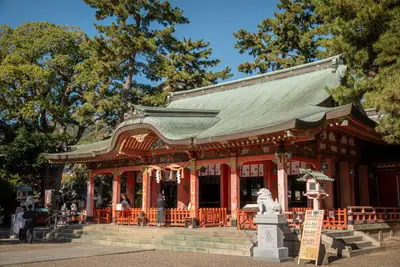
In pictures
Frequently Asked Questions
What is the Kobe Shoe Festival?
It is a local event in Kobe focused on shoes, shopping, and neighbourhood culture.
Where is the 59th Kutsukko Matsuri held?
It is held in Nagata, Kobe.
Why is this event interesting for Japan fans?
It shows a side of Japan that combines local industry, community life, and a very specific regional identity.


