
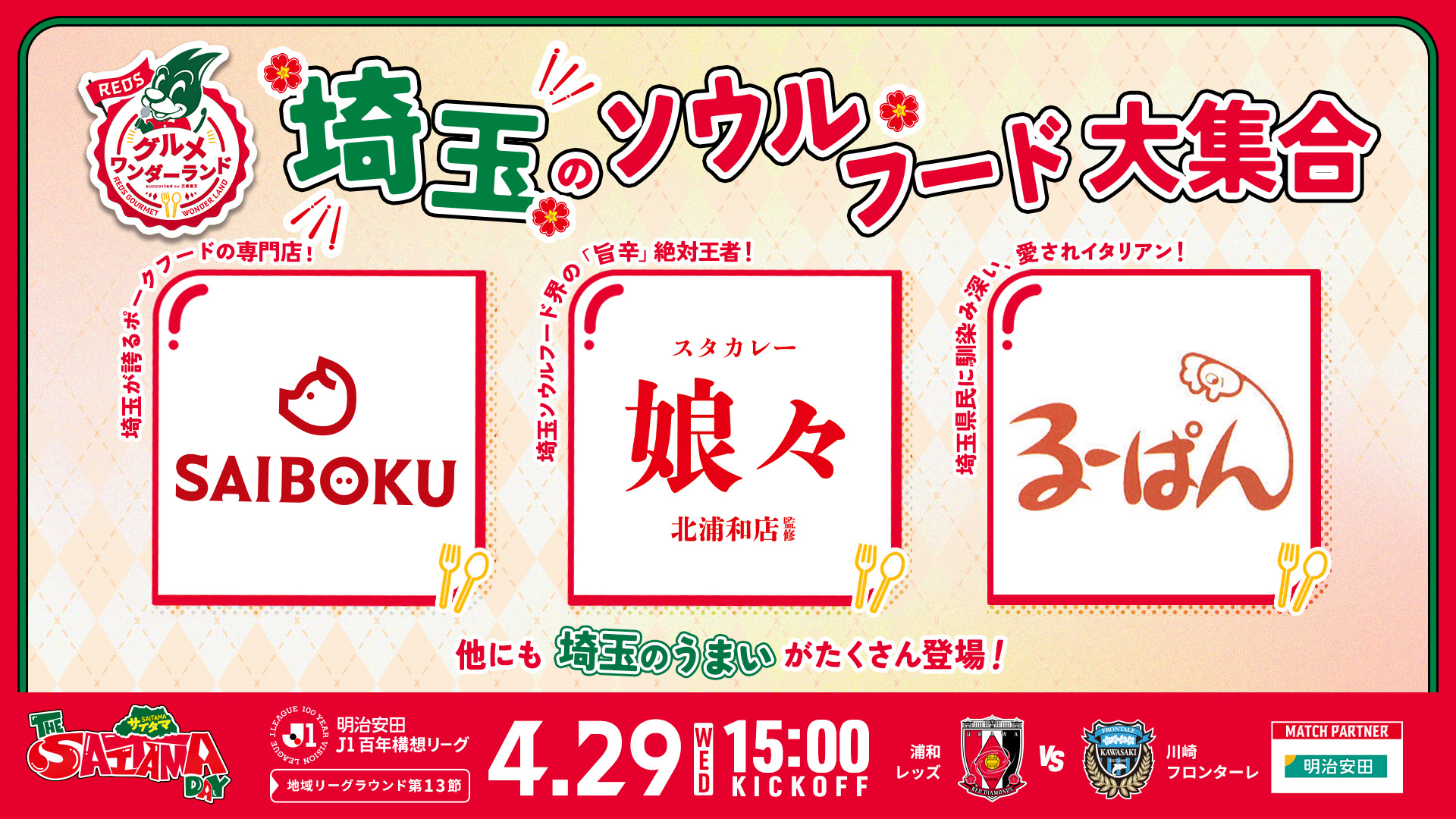
What makes it fun isn’t just the game itself, it’s the chance to sample proper stadium snacks while soaking up the atmosphere around Urawa Reds’ home city vibe. For Japan fans and language learners, there’s also a nice little bonus, since matchday food culture comes with plenty of useful everyday vocabulary.
Reds Gourmet Wonderland at the Kawasaki match
Reds Gourmet Wonderland is the kind of event that reminds you how serious Japanese football clubs are about food. On 29 April 2026, when Urawa Reds face Kawasaki, the matchday setup is expected to put stadium snacks right at the centre of the experience, not just as a side note. No exaggeration: for many fans, the queue for food is half the fun.

The timing matters too. A late-April fixture in Japan usually means mild weather, easy strolling, and enough energy for people to arrive early, eat well, and enjoy the build-up. That’s exactly the kind of setting where a themed food event can really work, because fans aren’t rushing in and out, they’re lingering, chatting, and checking out every stall. See what I mean?
What I especially like is that this isn’t presented as some generic concession stand refresh. It’s built around a matchday event identity, which gives it a sense of occasion. If you’re new to Japanese football, this is the sweet spot where club culture, regional food, and supporter energy all meet in one place. But that’s not all.
Why Japanese stadium food is such a big deal
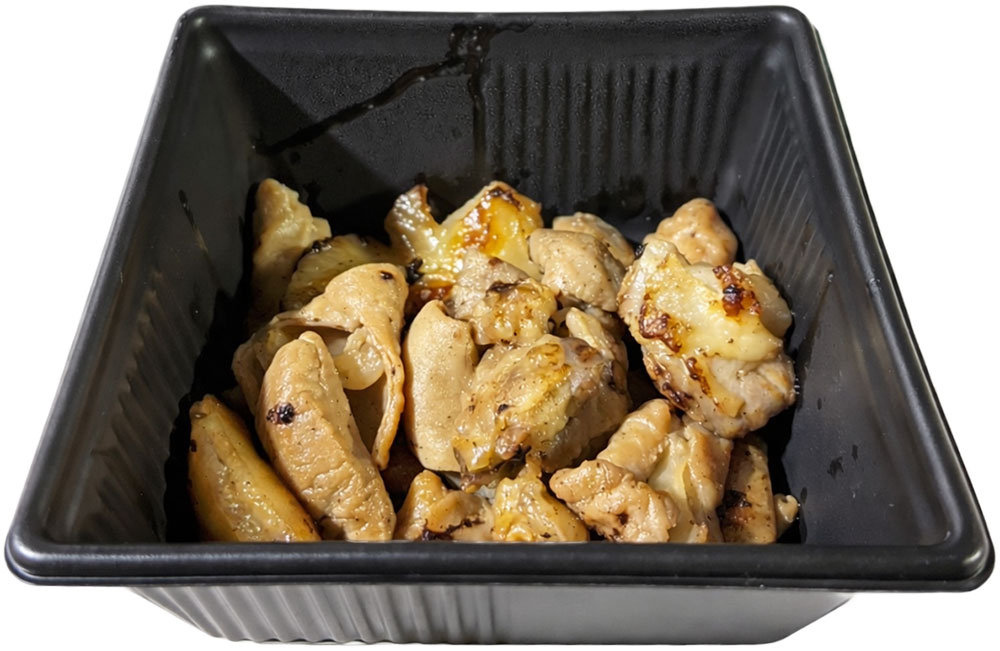
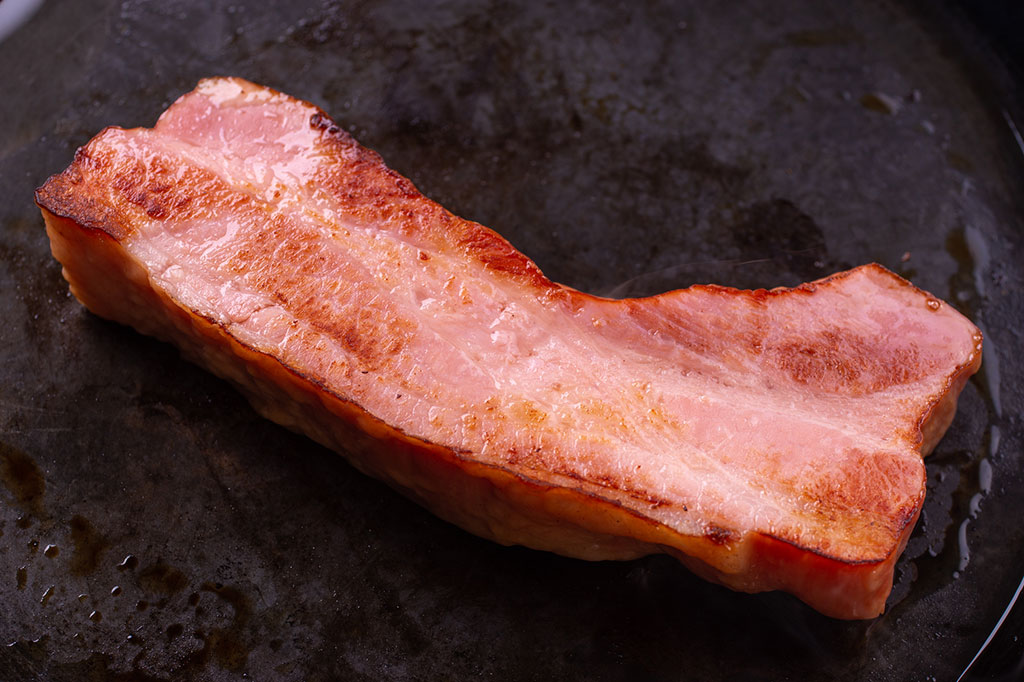
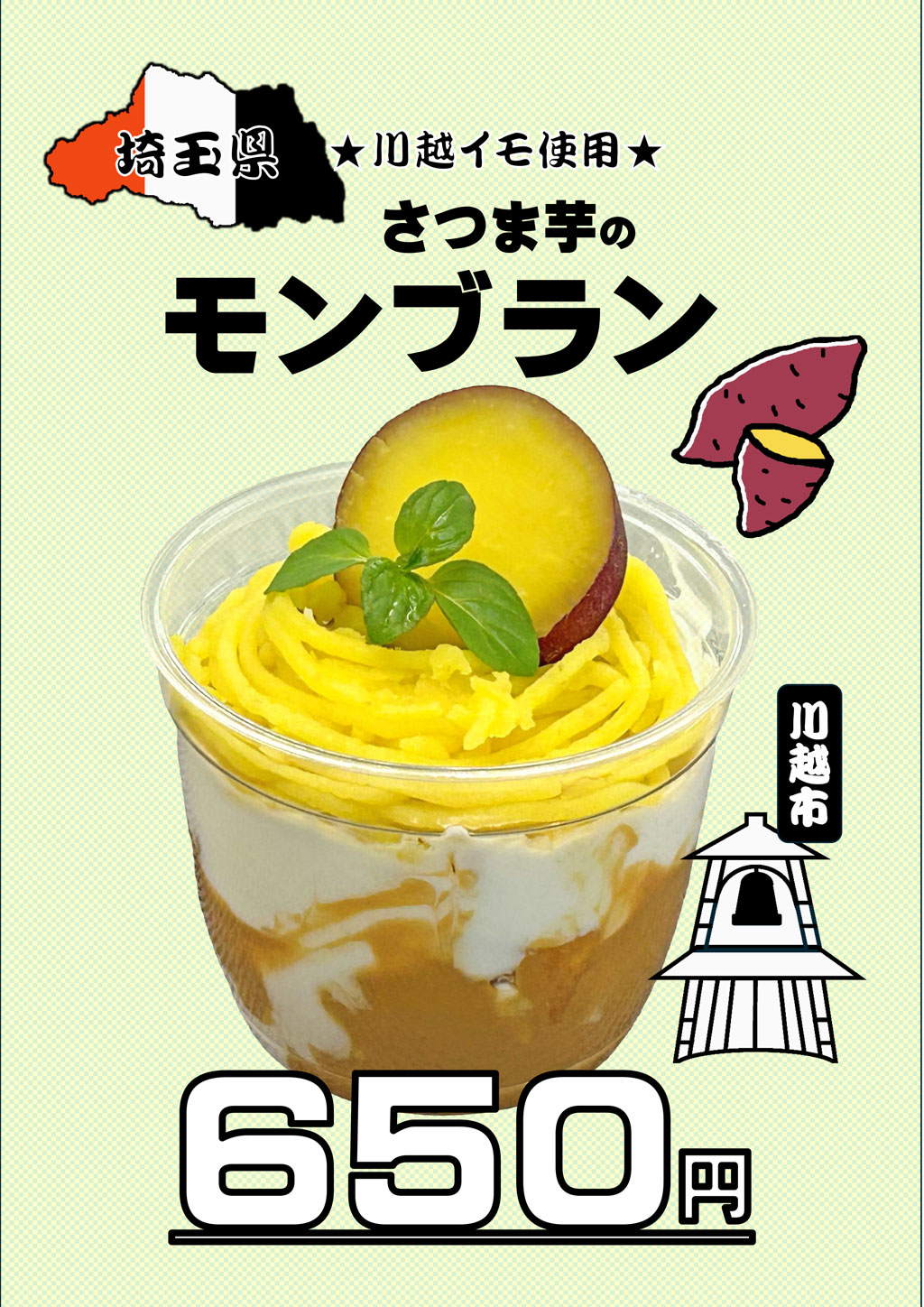
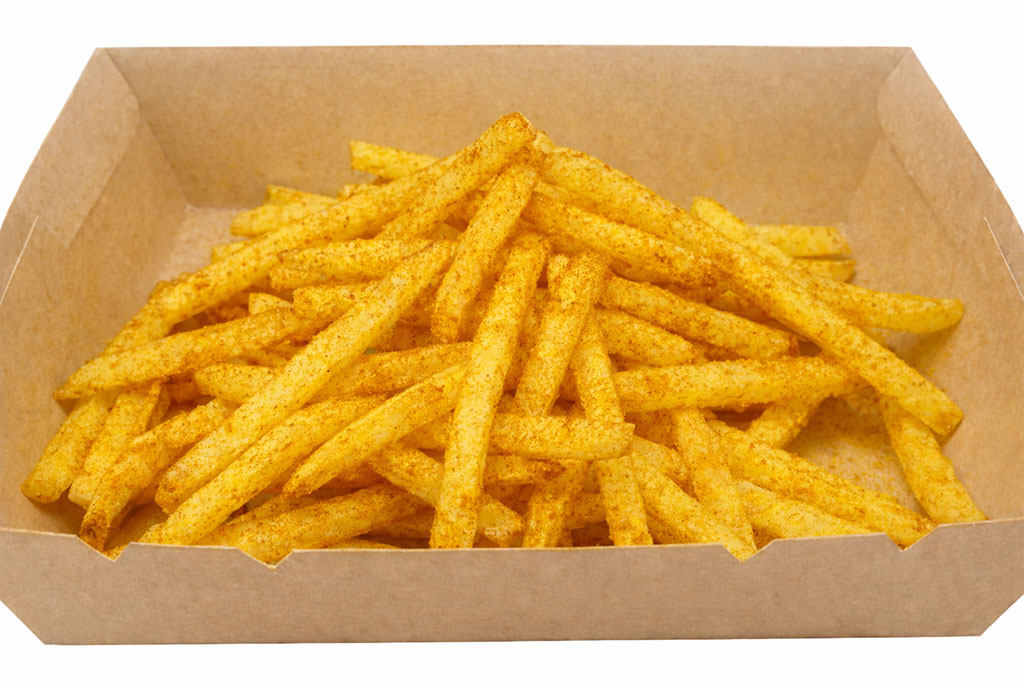
Japanese stadium food has a reputation for being far better than the sad hot dog-and-soda experience many visitors expect. At big football grounds, you’ll often find yakisoba, karaage, curry rice, chashu rice bowls, sweet treats, and club-themed items tied to the fixture. Here’s the deal: in Japan, food isn’t an afterthought, it’s part of the entertainment.
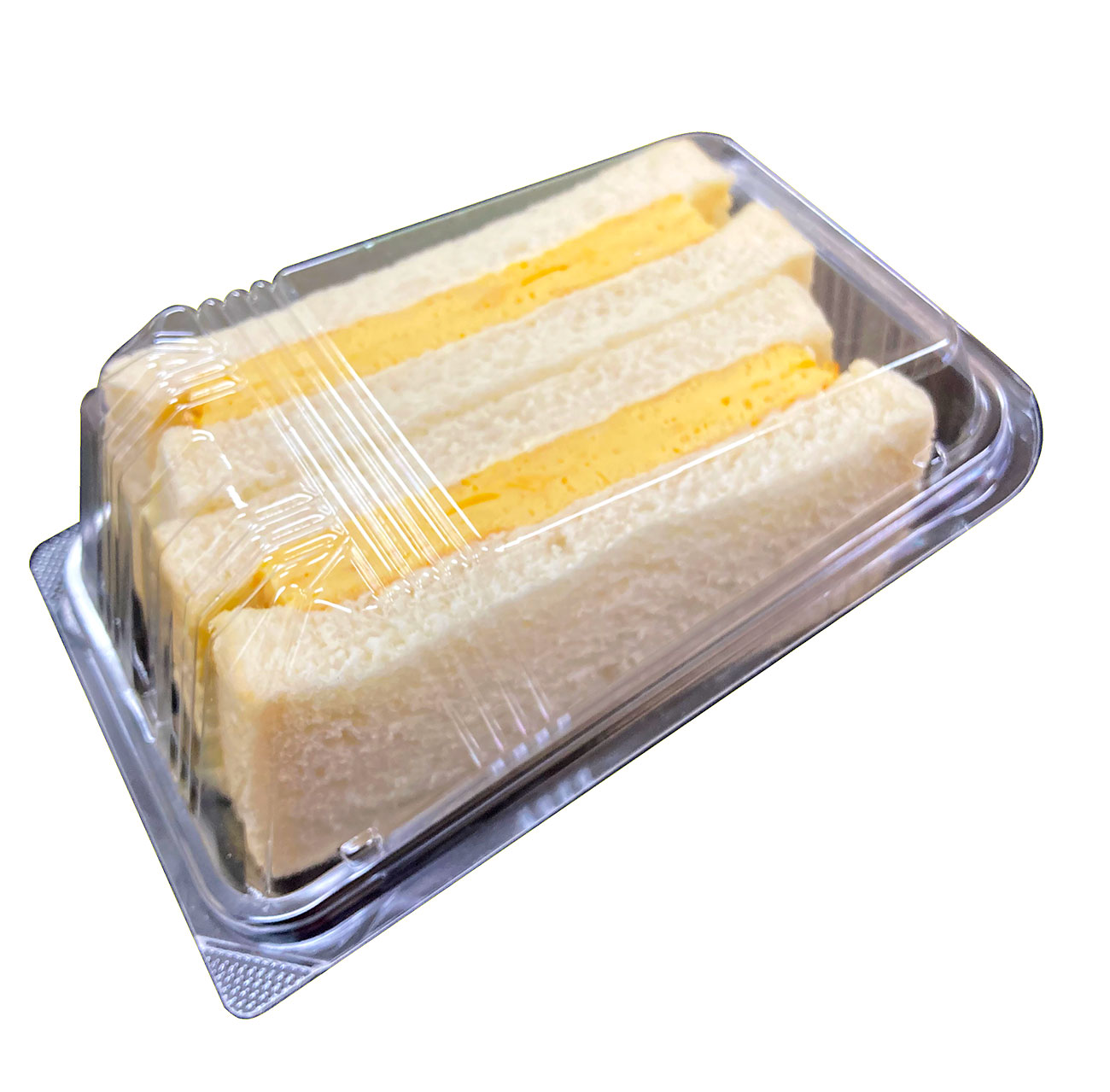
That’s one reason a name like Reds Gourmet Wonderland stands out. It suggests variety, presentation, and a bit of theatre. Fans don’t just buy lunch, they browse. They compare stall menus, look for limited items, and sometimes choose a food item based on team colours or player-themed branding. Wild, isn’t it?
Useful vocabulary for learners
If you’re studying Japanese, matchday food is a great topic for practical words. Think of words like 食品 (shokuhin, food products) for food products, 屋台 (yatai, stall; food stall) for stall, 記念 (kinen, commemorative) for commemorative, and 玄関 (genkan, entrance; foyer) for entrance, which often appears in venue directions and signage. Quick detour: even if you only learn a few of these, they’ll help when you’re reading menus, announcements, or fan posts online.
And honestly, food vocabulary sticks better when it’s attached to something fun. A football match gives you context, repetition, and a reason to remember the words. Personally, I’ve always found that the easiest Japanese I retain is the stuff tied to travel, eating, and sport. That’s the kind of language you actually use. See what I mean?
What to expect on 29 April 2026
The confirmed date, 29 April 2026, is useful because it gives fans something concrete to plan around. If you’re travelling from outside the area, that means checking transport, arrival times, and stadium access well in advance. Picture this: you get there early, the aroma from the food stalls hits first, then the crowd noise starts building, and suddenly the whole afternoon feels bigger than the match alone.
For a Kawasaki fixture, the atmosphere should be especially lively. Kawasaki supporters are known for bringing strong energy, and Urawa Reds matches usually attract serious attention, so a food-focused event around this game feels well matched. Here's the catch: popular food items can sell out, especially if they’re tied to limited matchday promotions, so arriving early isn’t just a nice idea, it’s practical.
My tip: if you’re planning to go, budget time for food before kickoff, not after. That way you won’t be stressed, and you can enjoy the event at a normal pace. If you like photography, the stalls are often visually appealing too, with banners, packaging, and club colours that look great in daylight. But that’s not all.
Why Japan fans should care about this event
The first time I went to Japan, I was surprised by how much local identity shows up in ordinary places. Stadium food is a perfect example. You’re not just eating, you’re learning something about how Japanese events are designed, how fans move through the space, and how clubs build a sense of belonging around the match. Speaking of which...
For language learners, this also opens the door to real-world reading practice. Match announcements, food stall signs, and fan reactions often use short, natural Japanese. Even if you don’t know every word, you can start spotting patterns fast, especially when menus repeat familiar terms like 御馳走 (gochisou, feast; treat) for a feast or お土産 (omiyage, souvenirs; gift from a trip) for souvenirs. That makes the whole experience feel less like a lesson and more like a lived moment.
And if you’re a Japan fan who’s mostly following from abroad, events like this are still worth watching closely. They show how football in Japan often blends with local culture in a way that feels thoughtful rather than forced. Insider tip: when a club leans into food, it usually means the matchday experience has been planned with fans in mind. Personally...
In pictures
Frequently Asked Questions
What is Reds Gourmet Wonderland?
It is a matchday food event linked to Urawa Reds, built around stadium snacks and a more festive game-day atmosphere.
When is the Kawasaki match?
The match is scheduled for 29 April 2026.
Why is this interesting for Japanese learners?
It gives you real-world vocabulary, menu reading practice, and a closer look at how Japanese football culture blends with food and fan experience.


