
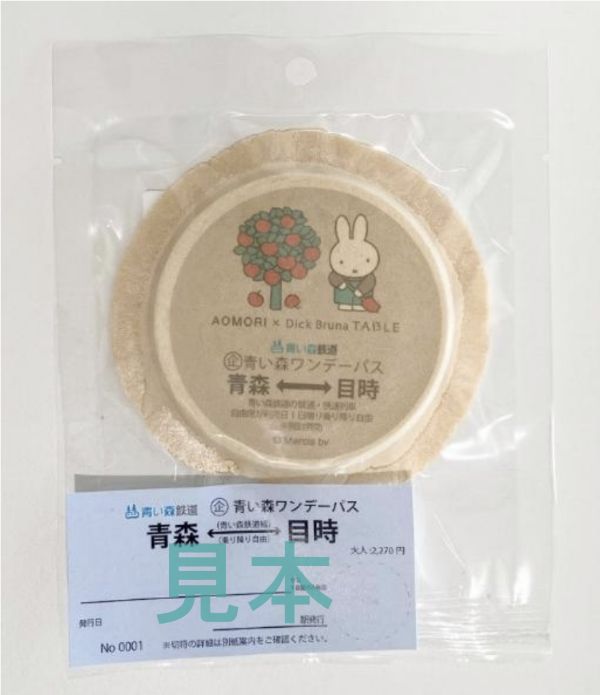
If you like Japanese train memorabilia, this is the sort of local deal that makes you want to plan a trip around the ticket itself. And yes, that’s very much the point.
Aomori Railway and Felissimo: a local collab with collector appeal
Fun fact: Aomori Railway doesn’t just move people between stations, it now sends merch brains into overdrive. The railway has teamed up with Felissimo, the Japanese lifestyle company known for playful, design-led projects, to release Miffy-themed collector tickets that feel more like souvenirs than transport media.

What most people don't know is that in Japan, train-themed goods can become the real reason to travel. This one fits the pattern beautifully, because the ticket design isn’t an afterthought, it’s the product. The postcard format makes it easy to keep, display, or mail, and that turns a simple fare item into a small piece of Aomori travel culture. Convinced yet?
Miffy tickets in postcard format, made for keeping
Let me show you why the format matters. Postcard-sized tickets are a smart move because they sit right between everyday transit and proper お土産 (omiyage, souvenir gift). You can tuck one into a notebook, frame it, or slide it into a travel journal without it looking like a boring receipt.
Speaking of which, Miffy is a perfect fit for that kind of collectible. The character’s clean lines and calm expression work well on paper goods, and Japanese fans already have a strong love for cute station memorabilia. If you’re a learner of Japanese, this is a handy example of how 可愛い (kawaii, cute) design keeps showing up in daily life, from train passes to cafe menus. It’s not just style, it’s a whole retail language. Wait, there’s more.
Why Miffy works so well here
No joke: Miffy feels almost made for Japan’s stationery and rail culture. The flat, simple design reads instantly, even from across a ticket counter, and that clarity helps it stand out in a busy local-service context.
My tip: if you’re collecting Japan transit goods, look for items that connect a character to a place, not just a character on its own. Those are the ones people remember later, because they carry location, design, and story all at once. Sounds odd, but it’s true. From my experience...
Aomori Railway’s apple trees and onsen route make the ticket feel local
On the flip side, this collaboration would be much weaker if it didn’t lean into Aomori itself. The railway’s visual identity often connects with apple trees, and that’s no accident, because Aomori is one of Japan’s most famous apple-growing regions. The apple motif gives the ticket a strong local anchor, so it doesn’t feel like a random character licensing job.



And it gets better: the line also has an onsen connection along the route, which adds another layer of travel appeal. Japan fans know this formula well, rail line plus hot springs plus a cute limited item, and suddenly a short trip becomes a mini pilgrimage. If you’re studying Japanese, this is a great moment to notice words like onsen, 林檎 (ringo, apple), and 切符 (kippu, ticket) in context. No exaggeration: that’s how pop culture, geography, and language learning meet on one piece of paper.
Why local branding matters on Japanese railways
Japanese regional operators often need to be more creative than the big-city lines, and this kind of collaboration is a classic move. Aomori Railway can’t rely on sheer passenger volume alone, so it leans into identity, seasonality, and collectability.
That’s why this Felissimo project is so smart. It gives people a reason to buy, keep, and talk about the ticket even if they’re not commuting regularly. Simply brilliant. Convinced yet?
What Japan learners can take from this Miffy rail release
Trust me on this one: collector tickets are a small but useful window into Japanese consumer culture. You’ll see the same logic everywhere, from station stamps to limited-edition 駅弁 (ekiben, station bento) packaging, and the words around them are practical vocabulary for learners.
For example, kippu means ticket, ekiben means station bento, and omiyage means souvenir gift. None of those are textbook filler, they’re real travel words you’ll meet if you ride local lines in Japan. Highly recommended: keep a note of the terms you see on real rail goods, because they stick better when they’re tied to a place and a design.
What I especially like: this story shows how Japanese railways turn tiny objects into memory anchors. A ticket becomes proof of a trip, a design becomes a reason to hop on the train, and a cute rabbit becomes a local tourism ambassador. That’s very Japan, and it’s exactly why rail collecting has such a loyal following. From my experience...
In pictures
Frequently Asked Questions
What is special about the Aomori Railway Miffy tickets?
They are postcard-format collector tickets created through a Felissimo collaboration, so they work as both transport-related items and souvenirs.
Why are apple trees part of the design?
Because Aomori is famous for apples, and the motif gives the tickets a stronger local identity.
Does the route connect to hot springs?
Yes, the line has an onsen connection along the route, which adds extra appeal for travelers.


