

What most people don’t know is that this little onsen spot in Yamanomiya-cho, Kofu, is less about luxury and more about pure, old-school mineral bathing. If you like practical travel stops with a bit of local charm, this one deserves a place on your list.
Yamamiya Onsen on the Shosenkyo Line: a small Yamanashi onsen worth the detour
Yamamiya Onsen on the Shosenkyo Line sits in Yamanomiya-cho, Kofu, Yamanashi, and that location already tells you a lot. This isn't a polished resort district with big neon signs; it's a local hot spring stop with real travel usefulness. Trust me on this one: if you're exploring the Shosenkyo area, a bath stop like this can turn a good day trip into a great one.
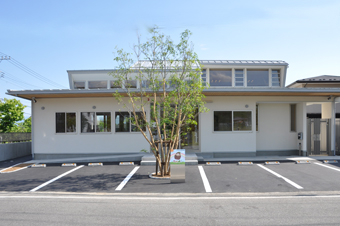
The first time I went to Japan, I thought onsen were all about grand inns and expensive overnight stays. Then you find places like this, where the appeal is simpler, the water is the star, and the atmosphere feels refreshingly unpretentious. My tip: keep your expectations practical, and you'll probably enjoy it more. My verdict? Sometimes small beats flashy.
100% natural, free-flowing hot spring water
The big draw here is simple, and it's the kind of thing hot spring fans love to hear. Yamamiya Onsen uses 100% naturally sourced, free-flowing thermal water, so the water isn't recycled through a system that strips away the sense of freshness. In onsen language, that kind of bath is often described with the idea of 掛け流し (kakenagashi, continuous flow of fresh hot spring water), where fresh water keeps coming in and old water flows out.
On a related note, that's a useful Japanese learning moment too. When you see terms like onsen, ryokan, 露天風呂 (rotenburo, open-air bath), or kakenagashi, you're seeing words that carry real travel meaning, not just textbook vocabulary. If you visit enough hot springs in Japan, you'll start spotting these terms everywhere, on signs, in brochures, and in the small print near the bath entrance. Convinced yet?
Why that matters for bathers
Freshly flowing water can make a place feel more authentic, even when the facilities are modest. You may not get a designer lounge or a giant spa menu, but you do get the feeling that the water is alive and moving, which is exactly what many onsen lovers look for. Pretty brilliant, really.
And it gets better: Yamanashi is already one of the best prefectures for a hot spring stop because it's packed with mountain scenery, fruit orchards, and easy side trips. That means Yamamiya Onsen works not just as a soak, but as part of a wider day out. Sounds good, right?
Where Yamamiya Onsen fits into a Shosenkyo day trip
Shosenkyo is famous for its dramatic gorge scenery, especially around the famous rock formations and hiking routes near Kofu. If you're riding the Shosenkyo Line, a hot spring stop like Yamamiya Onsen makes a lot of practical sense after walking, sightseeing, or sitting on a bus for a while. Let's be honest: tired legs and hot water are a great combination.



By the way, the location in Yamanomiya-cho gives it that local neighbourhood feel, which is part of the charm. You're not in a tourist bubble here. You're in an everyday part of Kofu, and that makes the visit feel more grounded, like you're borrowing a little piece of local life for an afternoon.
Pro tip: pair it with a light travel plan
If you're planning a Yamanashi day trip, don't overpack the schedule. Do Shosenkyo in the morning or early afternoon, then come here to slow down. If you're studying Japanese, try reading the signs or asking staff simple phrases like ありがとう (arigato, thank you), お願いします (onegaishimasu, please), or どこですか (doko desu ka, where is it?), even if your answers come back in the local rhythm of polite short forms. Small interactions can make a basic hot spring stop feel much richer.
On the flip side, if you're chasing luxury, this isn't the place to fix that craving. But if you want an honest bath with strong local character, it absolutely makes sense. Insider tip: the best onsen memories often come from places you didn't plan to love. My verdict: sometimes the quietest spots leave the biggest impression.
Practical points for visitors to Yamamiya Onsen
What most people don't know is that the smartest onsen trips are the ones where you think through the basics before you go. Bring a small towel, some coins, and easy-to-remove shoes. If the facility is modest, that doesn't mean it's inconvenient; it just means you should arrive prepared and keep your luggage light.
For Japan fans, this is also a nice place to notice everyday hot spring culture. The etiquette is simple, but it matters: wash first, keep your voice down, don't let hair fall into the bath, and dry off a little before heading back into the changing area. Those habits are part of the experience, and they make the whole place feel calm.
Language note for learners
Here are a few useful words you might see around onsen travel: onsen for hot spring, 湯 (yu, hot water; bath water) for bath water, ryokan for a traditional inn, and 遠慮 (enryo, restraint; holding back) for restraint or holding back. You don't need perfect Japanese to use them, but recognising them helps you move more confidently through real travel situations. What I especially like is that learning the vocabulary makes even a tiny local bath stop feel more legible.
If you are travelling in Yamanashi, this kind of stop is also a good reminder that Japan's best detours aren't always famous. Sometimes they're just a road, a neighbourhood name, a hot spring pipe, and a quiet entrance with a small sign. That's enough. Convinced yet?
Frequently Asked Questions
Where is Yamamiya Onsen located?
It is in Yamanomiya-cho, Kofu, Yamanashi.
What makes this onsen special?
Its 100% naturally flowing thermal water is the main draw.
Is it a good stop for a day trip?
Yes, especially if you're already exploring the Shosenkyo area.


