This is the Hakone many people picture before they even arrive, a raw volcanic landscape shaped by ancient eruptions and still very much alive today. If you like dramatic nature spots with a strong sense of place, Owakudani should be high on your list.



Owakudani in Hakone: the great boiling valley
Owakudani in Hakone is often called the “great boiling valley”, and that nickname is spot on. The valley was formed after the last eruption of Mt. Hakone around 3,000 years ago, when volcanic activity reshaped the land and left behind the steaming vents you see today.

Here's the thing: this isn't a theme park version of volcano scenery. You're looking at a real geothermal zone where sulfur fumaroles, hot springs, and bare rock create a landscape that feels harsh, alive, and oddly beautiful. See what I mean?
A landscape that still breathes
The active volcanic vents are the main draw. White steam rises from the ground, mineral stains colour the rocks yellow and orange, and the smell of sulfur hangs in the air, especially on still days. It can feel otherworldly, but it’s also a reminder that Hakone sits on active volcanic ground.
To be fair, some visitors come mainly for the famous views, and that works too. On a clear day, you can see Mt. Fuji from parts of the area, and that contrast between snow-capped mountain and steaming valley is hard to beat. Personally, I think that mix is what gives Owakudani its identity.
How to get to Owakudani from Sounzan
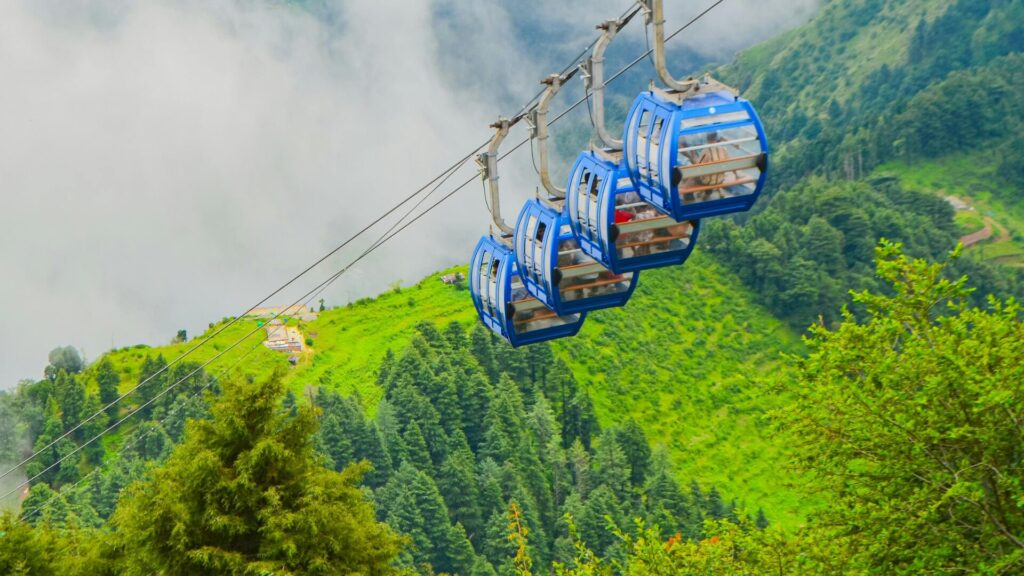
Picture this: you ride up through the mountains, then suddenly the scenery changes, and the earth starts steaming below you. That’s the Hakone Ropeway experience, and it’s one of the best ways to reach Owakudani.
From Sounzan Station, the ropeway ride to Owakudani Station takes about 10 minutes. Departures are frequent, usually every 5 to 10 minutes, and the short trip is part of the fun, because you get a slow reveal of the volcanic valley below.
Why the ropeway matters
Owakudani isn’t just a stop, it’s part of the Hakone mountain route. Sounzan is the upper terminus of the Hakone Tozan Cable Car, and from there the ropeway carries you over the volcanic landscape toward Togendai. On a related note, this makes Owakudani easy to slot into a one-day Hakone loop from Tokyo.
Oh, and almost forgot: if you’re planning a proper Hakone day trip, the ropeway is often the most practical and scenic way to visit. You don't need a hiking permit or special gear, just a bit of patience if weather or volcanic conditions affect operations. Not bad, right?
What to do in Owakudani beyond taking photos
Guess what? Owakudani isn’t only about staring at steam and grabbing a selfie with the valley behind you. There’s food, souvenirs, walking paths, and enough atmosphere to keep you there longer than you expect.



Black eggs and hot spring cooking
The most famous local snack is 黒たまご (kuro 卵 (tamago)), or black eggs. They’re boiled in the natural hot spring water, where minerals darken the shell, and the old local saying goes that eating one adds seven years to your life. The actual flavour is just a normal boiled egg, but the ritual makes it memorable.
By the way, this is a neat little Japanese learning moment. If you hear onsen, that means hot spring, and tamago means egg. Simple words, but in Owakudani they become part of the place itself.
Steam, sulfur, and a strong Hakone mood
What I especially like is that Owakudani doesn’t feel over-styled. You get practical observation decks, a few food stops, and then the valley itself doing all the work. The scenery is the attraction, not a glossy layer on top of it.
Let's be honest: some Japan spots are famous because they photograph well. Owakudani is famous because it feels intense in person. The rising steam, the smell, the wind, the rocky slopes, it all adds up to a setting that’s hard to forget. Classic Japan, isn't it?
Tips for Japan fans and Japanese learners
For Japan fans, Owakudani is a great place to connect language, geography, and everyday travel vocabulary. You’ll see signs for ropeway, station names, and volcanic-related terms, and if you’re learning Japanese, that context helps words stick faster than flashcards ever could.
Insider tip: listen out for words linked to the landscape, such as onsen, 風穴 (kazaana, air hole; vent) for vents in a broader sense, and kuro tamago when you order the local eggs. Even if you can’t read every sign yet, recognizing a few romanized terms makes the visit feel less like sightseeing and more like active learning. Wait, there’s more.
On the flip side, Owakudani can be very weather dependent. Cloud, wind, and volcanic monitoring can change what you see or whether certain areas are open, so checking official updates before you go is smart. If the valley is fully open, though, you’ll understand why it’s such an iconic Hakone stop.
No joke: if you want a strong first impression of Hakone, this is one of the best places to get it. It’s raw, scenic, and unmistakably volcanic, with just enough infrastructure to make the visit easy. That balance is exactly why Owakudani stays on so many Hakone itineraries, personally...
For more travel ideas and Japan updates, visit more Japan news on jpnerd.com.
Frequently Asked Questions
What is Owakudani known for?
It is known for its active volcanic vents, sulfur steam, and black eggs cooked in hot spring water.
How old is Owakudani?
The valley was formed about 3,000 years ago after volcanic activity at Mt. Hakone.
How do you get there?
The easiest route is the Hakone Ropeway from Sounzan Station to Owakudani Station.