
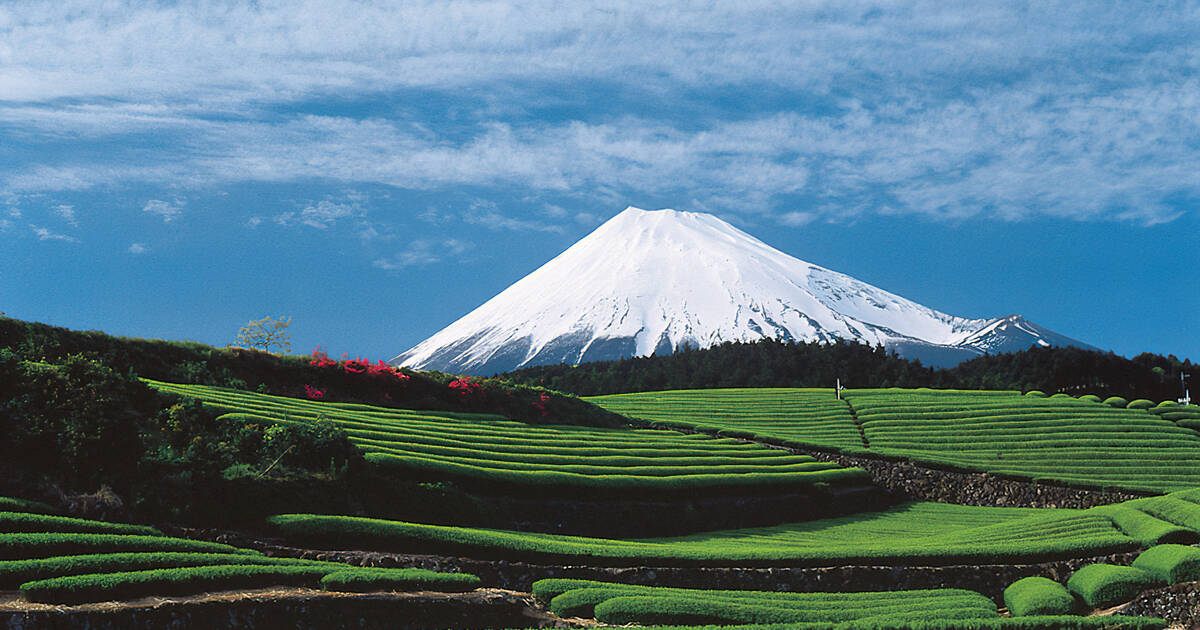
Why does Fuji disappear so often, and why do people still treat every clear view like a small event? Let me show you why this mountain is never just a mountain. Wild, isn't it?



Mount Fuji and the 80-day visibility fact
Ever wondered why Mount Fuji feels so mythical, even though it’s one of Japan’s most photographed landmarks? One reason is simple: you don’t actually get to see it that often. A widely shared TikTok clip by Rachel Ginter brought attention back to a surprising figure: in the Tokyo area, Fuji is reportedly visible on only about 80 days a year.

That number isn’t a hard law of nature, of course. It depends on where you’re standing, the season, air pressure, humidity, and how much haze is hanging over the Kanto plain. But as a rough everyday reality, it’s eye-opening. For locals, a clear Fuji day can feel a bit like winning the weather lottery, and that’s exactly what makes the mountain so special. No exaggeration: people really do stop and point.
Why Mount Fuji disappears so often
Picture this: you’re in Tokyo on a crisp winter morning, you look west, and there it is, a perfect white cone on the horizon. By afternoon, clouds roll in, the outline softens, and then it’s gone. That’s Mount Fuji life for you.
The main reason is weather. Fuji sits at 3,776 meters, but being tall doesn’t guarantee visibility. Moisture, seasonal rain, summer haze, and city smog can all blur the view. In warmer months, the mountain is especially difficult to spot from afar, while winter often gives the best chances. That reminds me: many first-time visitors assume Fuji is always visible from Tokyo, which is a lovely idea, but not quite true.
What many overlook: visibility depends on location
If you’re in Shinjuku, you might catch Fuji from a high floor on a lucky day. From coastal areas or farther inland, the angle changes completely. And if you’re in Hakone or the Fuji Five Lakes area, the mountain can feel much closer, more dramatic, and much easier to photograph. Basically, the same mountain can behave like a shy celebrity, depending on where you stand.
For Japanese learners, this is a useful context lesson too. The words miesu and 見える (mieru, to be visible) both matter here, because Japanese often distinguishes between “can be seen” and “is visible” in a nuanced way. Once you start noticing that kind of language around landscape and weather, Japan stories become richer. Sounds good, right?
Why Mount Fuji is such a powerful symbol
Let me show you why Fuji matters so much in Japan. It’s not only the country’s highest mountain, it’s also an icon of beauty, endurance, and seasonal change. People in Japan connect Fuji with purity, luck, and even a kind of calm strength, and that symbolism has been built up over centuries.
Fuji appears constantly in art, travel posters, magazines, and souvenirs. Katsushika Hokusai’s famous woodblock print series Thirty-six Views of Mount Fuji from the 1830s made the mountain globally recognisable. Later, Hiroshige also painted it repeatedly, showing how deeply rooted Fuji is in visual culture. No wonder it became a national symbol, and eventually a UNESCO World Heritage site in 2013 as a cultural rather than natural site.



My tip: if you want to understand Japanese aesthetics, start with Fuji. It’s a clean example of how landscape becomes meaning. In Japan, a mountain isn’t just scenery. It can be memory, identity, and seasonal emotion all at once. That’s not all.
Fuji in everyday Japanese culture
Fuji shows up in the New Year tradition of 初夢 (hatsu-yume), the first dream of the year. Dreaming of Fuji, a hawk, or an eggplant is considered especially lucky, depending on the old saying. You’ll also see Fuji motifs in sweets, packaging, and even bathhouse art, where a painted mountain can add a very Japanese sense of atmosphere.
That cultural reach matters because it explains why the mountain’s rare visibility feels emotional, not just practical. Seeing Fuji on a clear day can feel like a tiny moment of connection with Japan itself. But let's stick with the weather side for now.
How to make the most of a Fuji sighting
Pro tip: if you’re travelling in Japan and really want to see Mount Fuji, go early, go in winter if possible, and choose a high vantage point. Places like Lake Kawaguchiko, the Chureito Pagoda area, and even parts of the Izu Peninsula can offer unforgettable views. On the Tokyo side, the best chances often come after cold fronts, when the air is dry and clear.
If you’re a Japanese learner, this is also a great vocabulary moment. Words like 天気 (tenki, weather), 雲 (kumo, cloud), 霞 (kasumi, haze; mist), and 晴れ (hare, clear weather; sunny weather) are worth knowing because they show up everywhere in travel conversations. When someone says today’s weather is good enough to see Fuji, that’s a real-life sentence you’ll actually hear, not just textbook material. Wait, there's more.
What I especially like is how Fuji turns ordinary weather into a shared experience. A city full of people can suddenly look up at the same mountain, and for a second, everyone is doing the same thing. It’s simple, but it’s powerful. This is my absolute hidden gem!
So yes, the TikTok clip was a fun starting point. But the bigger story is even better: Mount Fuji is rare to see, and that rarity is part of what makes it so loved. In a country where changing seasons matter so much, a brief, clear view of Fuji can feel almost ceremonial. That’s the magic, really. more Japan news on jpnerd.com
Frequently Asked Questions
Is Mount Fuji really visible only about 80 days a year?
That figure is a rough estimate, not an exact annual rule. It depends on weather, season, and where you are viewing it from.
When is the best time to see Mount Fuji?
Winter usually offers the clearest air and the best visibility, especially in the early morning.
Why is Mount Fuji such an important symbol?
It represents beauty, nature, and Japanese identity, and it has been celebrated in art and culture for centuries.


