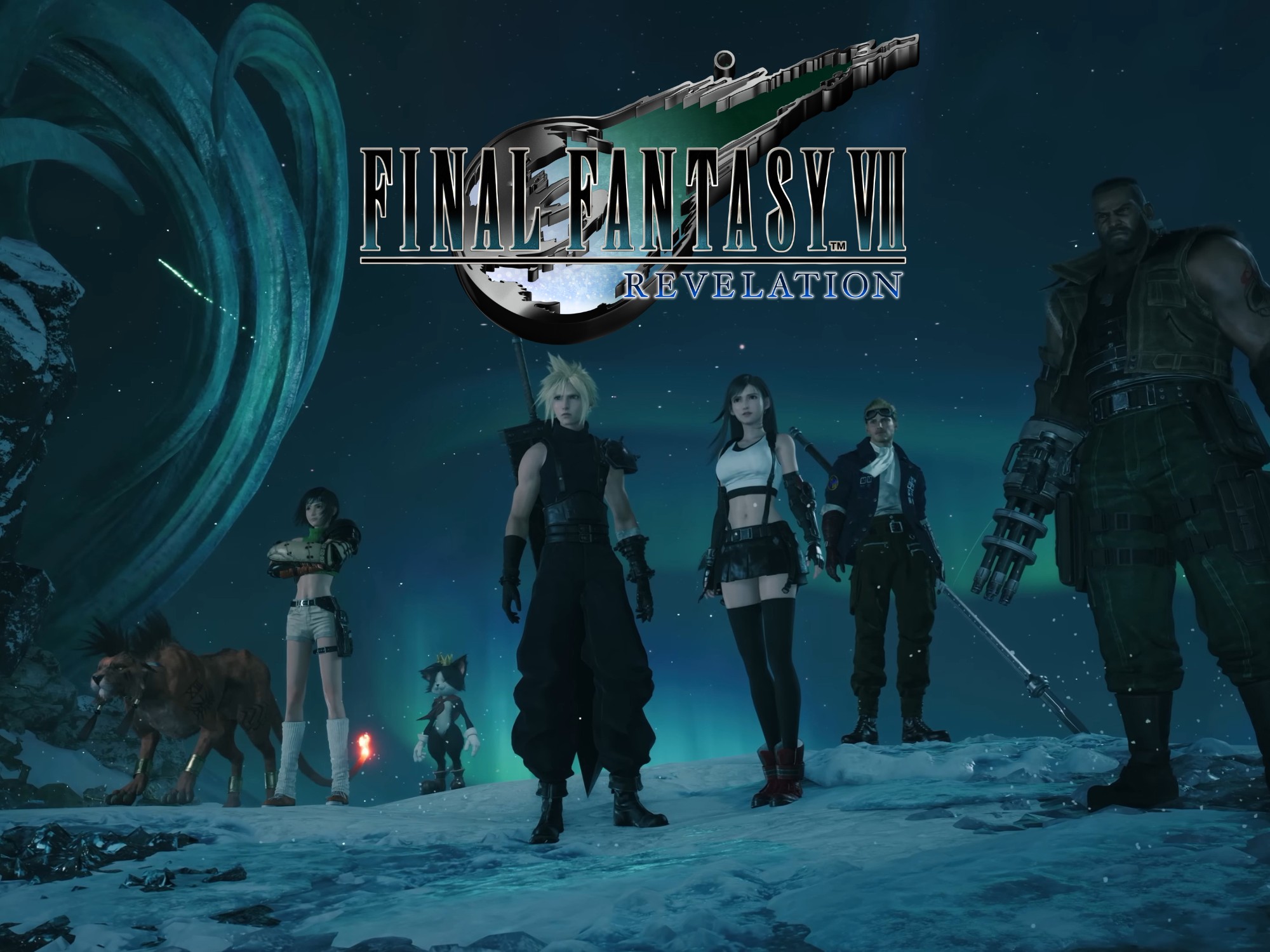
And honestly, this is the kind of Microsoft move I like. It keeps older Japanese games in circulation, where new players can actually find them.

![Startup Company [Console Edition] (Limited Edition)](https://s.pacn.ws/1/p/157/startup-company-console-edition-limited-edition-741799.16.jpg?v=ry4mm8&width=400)
![Startup Company [Console Edition]](https://s.pacn.ws/1/p/157/startup-company-console-edition-741779.10.jpg?v=ry4ngq&width=400)
Okay, here’s the thing. Xbox Game Pass has become one of the easiest ways to rediscover a classic Square Enix RPG, and that matters more than it sounds at first. Microsoft keeps refreshing the library, but when a real SNES-era favourite shows up, it feels like a small preservation win too.
For Japan fans, this is especially interesting because so many of the defining RPG ideas we still talk about today were shaped in that period. Turn-based combat, party systems, crystal-clear menu design, emotional 16-bit storytelling, it all got refined on the Super Famicom, which is what the SNES was called in Japan. Sounds weird, but it’s true.
Why Xbox Game Pass makes old Square Enix RPGs feel new again
Let me explain. Game Pass isn’t just about convenience, it changes discovery. A game from the early 1990s can sit next to brand-new releases, and suddenly a player who has never touched retro JRPGs is willing to try one for an afternoon.
That matters because classic Square Enix RPGs often look simple on the surface, but they have deep mechanical rhythm. You get timing, party planning, status effects, and that slow-burn sense of progression that modern action games sometimes skip. No wonder, really, because these games were built in an era where every menu choice had to earn its place.
What’s interesting is that Microsoft has been very intentional about keeping Game Pass broad. We’re talking indie games, western blockbusters, and Japanese catalogue titles all sharing the same shelf. That mix is exactly what makes the service useful for people who want both convenience and cultural range. But that’s not all.
The retro factor is the real hook
I still remember exactly how these games felt the first time I saw them in print ads and store shelves. The box art, the fantasy worlds, the huge promises, they made 16-bit hardware feel like it could do anything. That kind of memory is powerful, even now.
And here’s the catch: SNES-era RPGs were often more ambitious than people remember. They had cinematic pacing before that was normal, music that stuck in your head for decades, and scripts that gave localisers a real workout. If you’ve ever compared English and Japanese versions of a classic RPG, you know how much meaning can shift in the translation. That makes them surprisingly good study material too.
For Japanese learners, that old-school design can be a quiet bonus. You’ll often see recurring vocabulary around battle commands, character roles, and fantasy settings, words like 魔法 (mahou, magic), 剣 (ken, sword), 城 (shiro, castle), and 冒険 (bouken, adventure) appearing again and again. It isn’t formal language study, obviously, but it gives your brain repeated exposure to a style and vocabulary set that’s deeply tied to game culture. Personally, I think that makes retro RPGs a hidden gem for learners.
What this Microsoft update says about Game Pass
Let’s be honest: Microsoft wants Game Pass to feel endless. The service only works if people believe there is always something worth opening, whether that’s a giant new launch or a beloved classic from decades ago. Adding a classic Square Enix RPG helps with both sides of that promise.
A great example: when a retro Japanese title lands on a modern subscription service, it becomes part of a living catalogue instead of a museum piece. You’re not hunting for an old cartridge, importing from Japan, or paying collector prices on second-hand markets. You just download it and play. That is a pretty big deal.
It also fits a wider pattern in gaming right now. Companies are leaning harder into back catalogues, remasters, and preservation-friendly distribution because players keep showing up for nostalgia. We saw it with compilation releases, we see it with digital storefronts, and now we see it with Game Pass updates. That’s why this news feels bigger than a single title drop.
Why Japan fans should care, even if they do not use Xbox every day
Trust me on this one: if you love Japan-related gaming history, you should pay attention whenever a service makes older Square Enix games easier to reach. It’s not just about one console or one publisher. It’s about the ongoing afterlife of Japanese design ideas in global gaming culture.
And the timing matters. We’re in an era where players are constantly discovering old Japanese media through new platforms, whether that’s anime on streaming services, classic manga via digital apps, or retro RPGs through subscriptions. That brings us to a simple truth: the pipeline from Japan to the world is now more accessible than ever.
What I especially like is that this kind of update rewards curiosity. You might open Game Pass for something current, then end up spending ten hours in a 1990s fantasy world built on Super Famicom charm. My tip: if you’ve never played one of these, go in with patience, not speed. Let the menus breathe. Let the music sit with you. It really changes the experience. Personally...
Frequently Asked Questions
What is the big news here?
A classic Square Enix RPG has been added to Xbox Game Pass, giving subscribers easy access to a well-known retro title.
Why does the SNES era matter so much?
The SNES era produced many of the most influential Japanese role-playing games, and its design ideas still shape the genre today.
Why should Japanese learners care?
Classic RPGs often repeat useful vocabulary and expose learners to fantasy-themed language in a memorable context.