
That’s the good news, though. With the right timing and a few festival detours like Sanja 祭り (matsuri), you can still have an amazing trip without spending your whole holiday in a queue.
Golden Week 2026 in Japan: what makes it so crowded
Ever wondered why Japan suddenly feels like one giant moving crowd in late spring? ゴールデンウィーク (Golden Week, Golden Week holiday period) is the answer. In 2026, the holiday stretch includes Showa Day on 29 April, Constitution Memorial Day on 3 May, Greenery Day on 4 May, and Children’s Day on 5 May, and because some of those dates fall on weekends, many people will enjoy a longer break by taking additional leave.
That means trains, highways, airports, and popular sightseeing spots all get slammed at the same time. Seriously though, this isn’t a “maybe busy” season. It’s one of the most crowded travel periods in the country, right up there with お盆 (Obon, Bon Festival / ancestor holiday) and New Year.
My tip: if you can shift your trip by even three or four days, do it. A small change in timing can save you hours of stress, and possibly a very expensive hotel bill too. Sounds good, right?
What to expect in real life
Picture this: 新幹線 (Shinkansen, bullet train) seats on the Tokaido line selling out early, road toll traffic jams stretching for kilometres, and family restaurants in tourist areas with long waits at lunch. Kyoto, Osaka, Tokyo, Hakone, and the Fuji Five Lakes area all get hit hard.
To be fair, crowds aren’t the same everywhere. Big city backstreets, local neighbourhoods, and less famous temples can still feel calm if you leave the headline spots behind. That’s the trick, and it works better than trying to “beat” the crowds at their own game. From my experience...
How to survive Golden Week 2026 without losing your mind
It’s early morning in Kyoto. That’s when the city still belongs to the early risers, the photographers, and the people who know how to travel smart. If you can visit major sights at opening time, you’ll get a cleaner, quieter experience, and you’ll avoid the worst of the midday crush.
Booking is everything during Golden Week. Reserve your hotel as early as possible, and if you’re taking the Shinkansen, lock in seats before the holiday rush gets serious. JR ticket release windows can matter a lot here, especially on the busiest routes.
Practical survival tactics
Here’s the thing: flexibility is worth more than a perfect itinerary. Choose a base city, then build your day around train availability, weather, and crowd levels. If a shrine looks packed, switch to a museum, a neighbourhood walk, or a local coffee stop instead.
Also, bring snacks, water, and a backup charging plan. Sounds weird, but it’s true. During Golden Week, even simple things like finding a seat or buying lunch can take longer than you expect, especially in station complexes and travel hubs.
That brings us to Japanese language learning, because this season is actually a useful vocabulary lab. Learn a few high-value words like 準備 (junbi) (preparation), 切符 (kippu) (ticket), 提案 (teian, proposal; suggestion) (proposal), and kankou (sightseeing). You won’t suddenly become fluent, but you’ll understand signs, staff instructions, and travel announcements much faster. Wait, there’s more.
Sanja Matsuri: the festival detour worth planning for
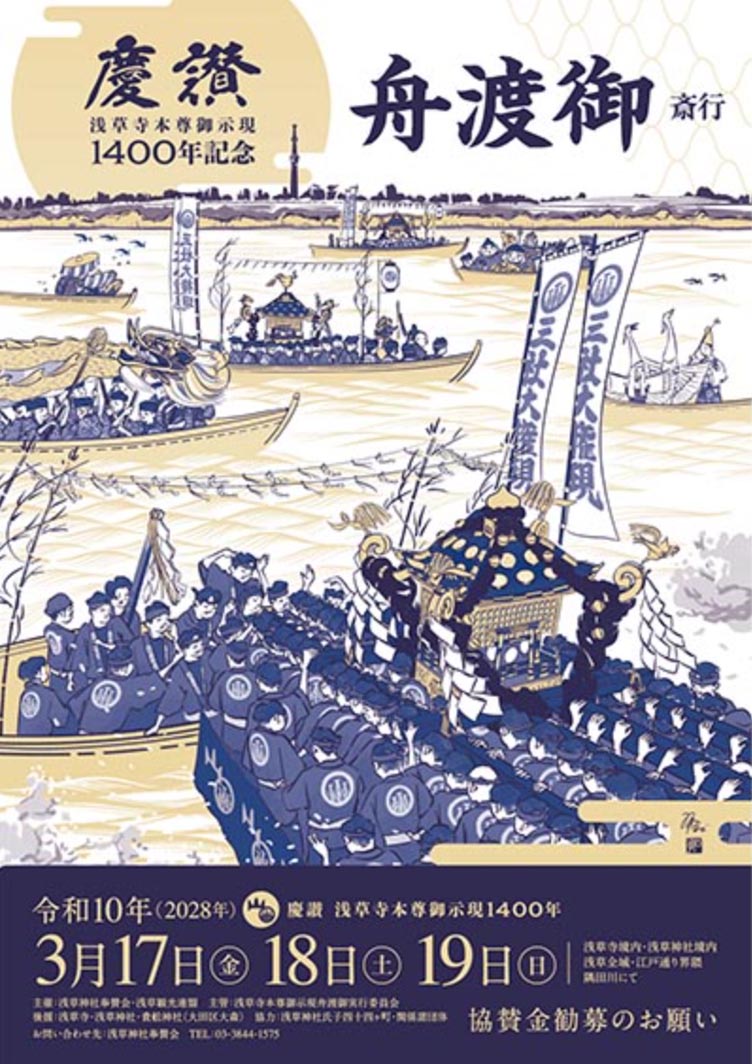
That reminds me, Golden Week isn’t only about avoiding crowds, it’s also a chance to see Japan at its most alive. A great example is Sanja Matsuri, one of Tokyo’s biggest and most famous festivals, held at Asakusa Shrine over the third weekend of May. In 2026, that means the festival sits just after the Golden Week rush, which makes it a perfect add-on if your trip runs into mid-May.
Sanja Matsuri is known for its mikoshi processions, drum performances, and a huge local atmosphere that feels far more raw and energetic than a polished tourist event. What I especially like is that it shows you a different side of Tokyo, one that is loud, communal, and deeply tied to neighbourhood identity. If you’ve only seen Tokyo through train stations and shopping malls, this festival is a wake-up call.
How to enjoy Sanja Matsuri without getting overwhelmed
Insider tip: go early, and decide in advance whether you want the main crowds or a calmer viewing spot. The busiest hours around Asakusa can feel very tight, so a little planning goes a long way. If you’re learning Japanese, listen for words like matsuri, mikoshi, and jinja, then match them to what you’re seeing in real time.
Plot twist: festivals can be crowded too, but the atmosphere is completely different from Golden Week transport chaos. You’re not fighting for a train seat, you’re sharing space with people who came to enjoy the same moment. That feels a lot more fun, and a lot more human, too. From my experience...
Best travel strategy for Japan’s busiest holiday season
If your dates are fixed, build your trip around early starts, off-peak districts, and fewer hotel moves. One city base is usually better than trying to hop around Japan when everything is full. You’ll waste less time, and your itinerary will feel calmer even when the streets don’t.
But let's stick with the essentials for now. Book transport and hotels early, avoid peak travel days at the start and end of the holiday, and don’t count on spontaneous changes. If you can, use the extra time to visit places that are underrated rather than fighting for space in the most famous ones.
For Japan fans and language learners, Golden Week 2026 is a useful reality check. It’s a great chance to practice patience, read real-world signs, and hear everyday Japanese in busy settings, but only if you’re ready for the crowds. Seriously though, plan well, and this season can still be one of the most memorable times to visit Japan.
Frequently Asked Questions
Is Golden Week 2026 a bad time to visit Japan?
Not if you plan carefully. It is extremely busy, but early bookings and flexible sightseeing can make it manageable.
When is Sanja Matsuri in 2026?
Sanja Matsuri is usually held on the third weekend of May, so it comes shortly after Golden Week in 2026.
What is the biggest risk during Golden Week?
The biggest risk is underestimating how crowded trains, roads, and major tourist areas become across the holiday period.


