Ten Years of the Hokkaido Shinkansen: What This Anniversary Actually Means
Here's the deal: when the Hokkaido Shinkansen officially opened on 26 March 2016, it was a historic moment for Japanese rail. For the first time, shinkansen tracks crossed the Seikan Tunnel, the undersea railway tunnel connecting Honshu and Hokkaido, stretching roughly 54 kilometres under the Tsugaru Strait. That's no small feat. The extension linked Shin-Hakodate-Hokuto station to the existing Tohoku Shinkansen network, meaning you could finally ride a bullet train from Tokyo all the way to Hokkaido.



What many overlook is that this opening didn't just affect shinkansen passengers. It fundamentally changed the local railway landscape too. The conventional railway section between Kikonai and Shin-Hakodate-Hokuto was transferred out of JR Hokkaido's hands and handed to a newly created third-sector operator: the Dounan Isaribi Tetsudo, which translates roughly as the South Hokkaido Squid Fishing Railway. Yes, the name is exactly as charming as it sounds. This line runs along the coast of the Tsugaru Strait and is famous for views that seriously rival anything you'd see on a tourist postcard.
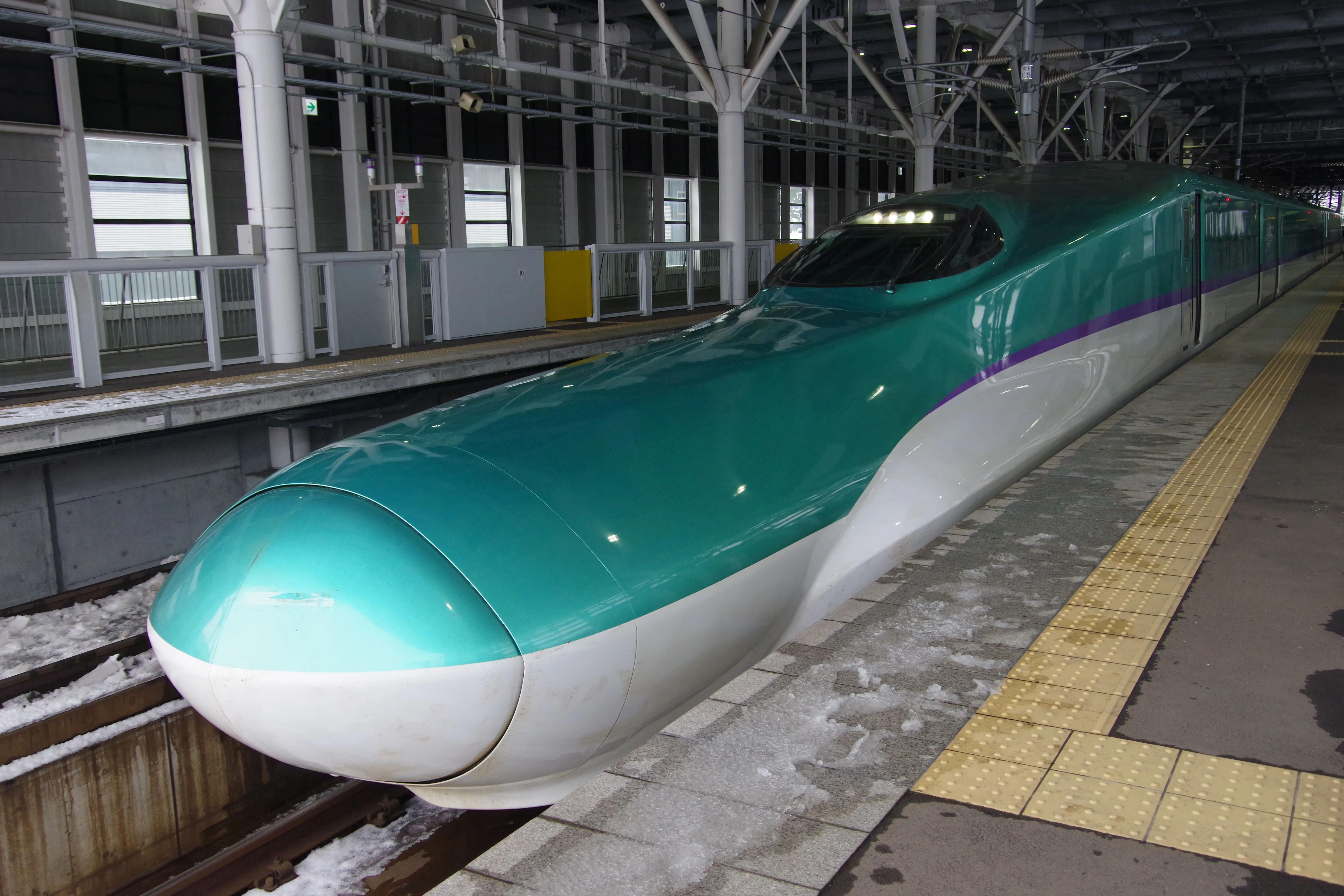
No joke: both the shinkansen and the Dounan Isaribi Tetsudo share the same birthday, and now, ten years on, they're celebrating together. That connection between big national infrastructure and a small, scenic regional railway is exactly what makes this anniversary special.
The Ceremony in Kikonai: Where and When to Be There
Guess what? The anniversary ceremony isn't being held at some bland conference hall. It's taking place at the Michi-no-Eki Misogi no Sato Kikonai, a roadside station in the town of Kikonai that sits very close to Kikonai station itself. Michi-no-Eki, written 道の駅, are Japan's beloved roadside rest stops, but they're much more than that. They double as community hubs, local produce markets, and cultural showcases for the regions they represent. Hosting a railway anniversary here makes perfect sense.
Ceremony Details at a Glance
The event takes place on 28 March 2026, starting at 10:45 in the morning. The location's proximity to Kikonai station means you can arrive by train, which feels entirely appropriate given the occasion. Kikonai is served by both the Hokkaido Shinkansen (at the shinkansen station just outside town) and the Dounan Isaribi Tetsudo local line. So you genuinely have options, whether you want to arrive in bullet train style or roll in on the scenic coastal railway like a true local rail enthusiast.
By the way, Kikonai itself is worth knowing about. It's a small town in the Oshima Subprefecture of Hokkaido, historically significant as a gateway between Hokkaido and Honshu. The name Kikonai, written as 木古内, doesn't give away much at first glance, but the town has real character, especially for anyone who appreciates lesser-visited corners of Japan.
My tip? If you're planning to attend the ceremony, combine it with a ride on the Dounan Isaribi Tetsudo the same day. The full line between Kikonai and Shin-Hakodate-Hokuto takes about 30 to 40 minutes, and the coastal scenery along the strait is genuinely worth your time. It's not a tourist trap. It's just a beautiful, quiet local train doing its thing.
Rail Culture, Regional Identity, and What This Means for Japan Fans
Hand on heart, there's something about Japanese railway anniversaries that hits differently compared to transport milestones in other countries. In Japan, trains aren't just infrastructure. They carry a cultural weight. The word tetsudo, 鉄道, literally means iron road, and the passion people have for railways here has its own subculture, the tetsudo mania, or tetsudo fan community, sometimes called tetsudo ota or simply tecchan in casual speech.



That reminds me: if you're learning Japanese and want to sound like you actually know what you're talking about around rail fans, a few words go a long way. Shinkansen 新幹線 (atarashii, new trunk line), not bullet train, is the proper term. Kaisoku 快速 means rapid train. Kakueki-teisha 各駅停車 refers to a local train stopping at every station. And misogi, as in the Michi-no-Eki name Misogi no Sato Kikonai, refers to a Shinto purification ritual. The town has historical connections to this practice. Language and local culture are always intertwined in Japan, even in a train station name.
What I especially like about this anniversary is how it refuses to separate the big story from the small one. The Hokkaido Shinkansen is a headline-grabbing piece of engineering. But the Dounan Isaribi Tetsudo is the kind of rural local line that's struggling financially, dependent on community support, and deeply loved by the people who use it. Celebrating them on the same day, in the same ceremony, feels honest about what Japanese rail actually is: a mix of the spectacular and the quietly essential.
Unlike what we're used to in many Western countries, small regional railways in Japan often survive through a combination of local government support, tourism initiatives, and sheer community willpower. The Dounan Isaribi Tetsudo is a good example of this model. It's not profitable in a commercial sense, but it serves a real purpose, and the anniversary ceremony is partly a way of saying: this line matters, this community matters. Simply brilliant, in its own understated way.
Planning a Visit: Getting to Kikonai for the Anniversary
Kikonai is accessible from Tokyo via the Hokkaido Shinkansen to Shin-Hakodate-Hokuto, then a transfer to the Dounan Isaribi Tetsudo for the local connection. From Tokyo, the shinkansen journey to Shin-Hakodate-Hokuto takes roughly four hours on the Hayabusa service. Alternatively, flying into Hakodate Airport and taking local transport is another option, particularly practical for those coming from outside Japan.
Here's the kicker: the Michi-no-Eki Misogi no Sato isn't just a ceremony venue for the day. It regularly stocks local Kikonai specialities, including kombu seaweed products and regional sake. Even if you miss the ceremony itself, the location is worth stopping at on any Hokkaido itinerary that takes you through the south of the island.
Wait, there's more. The Dounan Isaribi Tetsudo occasionally runs special event trains and commemorative services around anniversaries like this. It's worth checking their official announcements closer to the date, as limited commemorative tickets or stamp rally events are common in Japanese rail culture around milestone moments like a 10th anniversary.
Frequently Asked Questions
When did the Hokkaido Shinkansen open?
The Hokkaido Shinkansen officially opened on 26 March 2016, connecting Shin-Hakodate-Hokuto to the Tohoku Shinkansen network via the Seikan undersea tunnel.
What is the Dounan Isaribi Tetsudo?
It's a third-sector regional railway that took over the conventional rail line between Kikonai and Shin-Hakodate-Hokuto when the shinkansen opened in 2016. It's known for its scenic coastal views along the Tsugaru Strait and its unusually charming name, which references squid fishing in the area.
Can I attend the anniversary ceremony in Kikonai?
The ceremony takes place on 28 March 2026 at 10:45 at the Michi-no-Eki Misogi no Sato Kikonai, which is close to Kikonai station. Check local announcements from Hakobura or the Dounan Isaribi Tetsudo for any access or event updates closer to the date.