That matters because Japan’s origins aren’t just an archaeological puzzle, they sit at the meeting point of genetics, population history, and the stories we tell about where modern Japan begins. And, as usual with deep history, the evidence is doing what it always does: refusing to behave.
Japan’s Early Settlement and the Genetic Study Behind the Debate
What many overlook is that the story of Japan’s first settlement has never been simple, even when popular summaries make it sound that way. Archaeologists have long worked with the idea that people entered the archipelago in several phases, with communities arriving from the Asian mainland and later forming the cultural landscapes that eventually led to the 縄文 (Jomon, Jomon period; early Japanese prehistoric culture) and, much later, the 弥生 (Yayoi, Yayoi period; later prehistoric culture) periods. The new study, reported by Gizmodo, pushes back against that tidy multi-wave model.
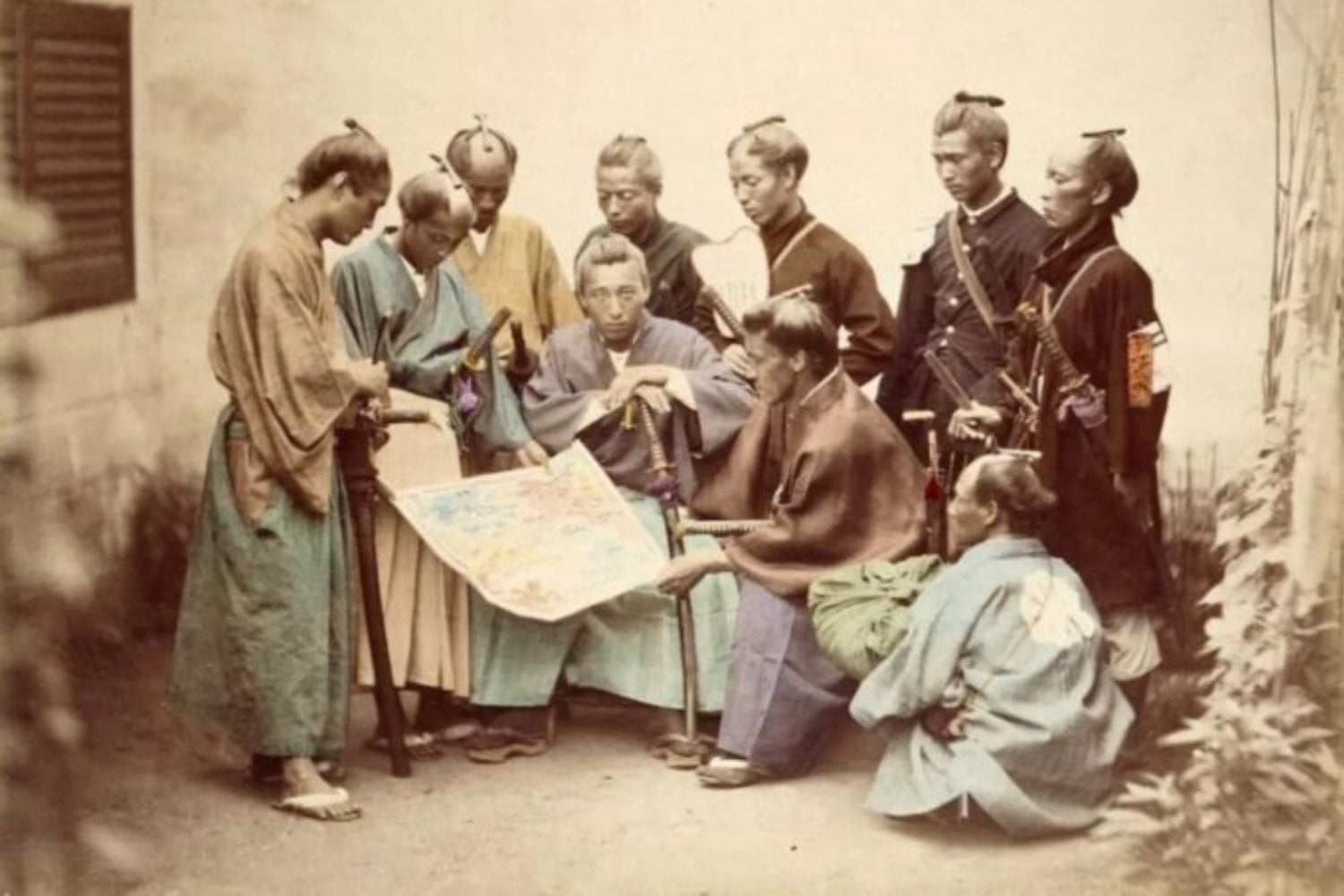
Here’s the thing: genetics doesn’t replace archaeology, but it can change the questions archaeology has to answer. Instead of assuming several separate migrations into the islands, the research suggests that one major movement of people, roughly 16,000 years ago, may have played a much larger role than scholars once expected. That’s a serious claim, because 16,000 years ago places us near the end of the Ice Age, when sea levels, coastlines, and migration routes looked very different from the map we know now. Sounds weird, but it’s true.
Why 16,000 years matters
Compared with back home, where historical narratives often begin with kings, states, or clean founding dates, Japan’s earliest history is built from fragments. There are stone tools, shell middens, settlement remains, and now DNA, but no written records from the period itself. So we work with probability, not certainty. If a single migration event did shape the early peopling of Japan, then the archipelago’s first long-term inhabitants may have been more connected than the older model allowed, with later regional diversity emerging after settlement rather than before it. That would be a subtle but important shift. Classic Japan, isn’t it?
For learners of Japanese history vocabulary, this is also a neat reminder that words like 遺跡 (iseki, historical site; ruins), 土器 (doki, earthenware; pottery), and 遺物 (ibutsu, artifact; relic) only tell part of the story. They’re labels for objects and sites, but the deeper question is population movement, not just material culture. Archaeology gives us the objects. Genetics asks who carried them, who stayed, and who mixed with whom. But that’s not all.
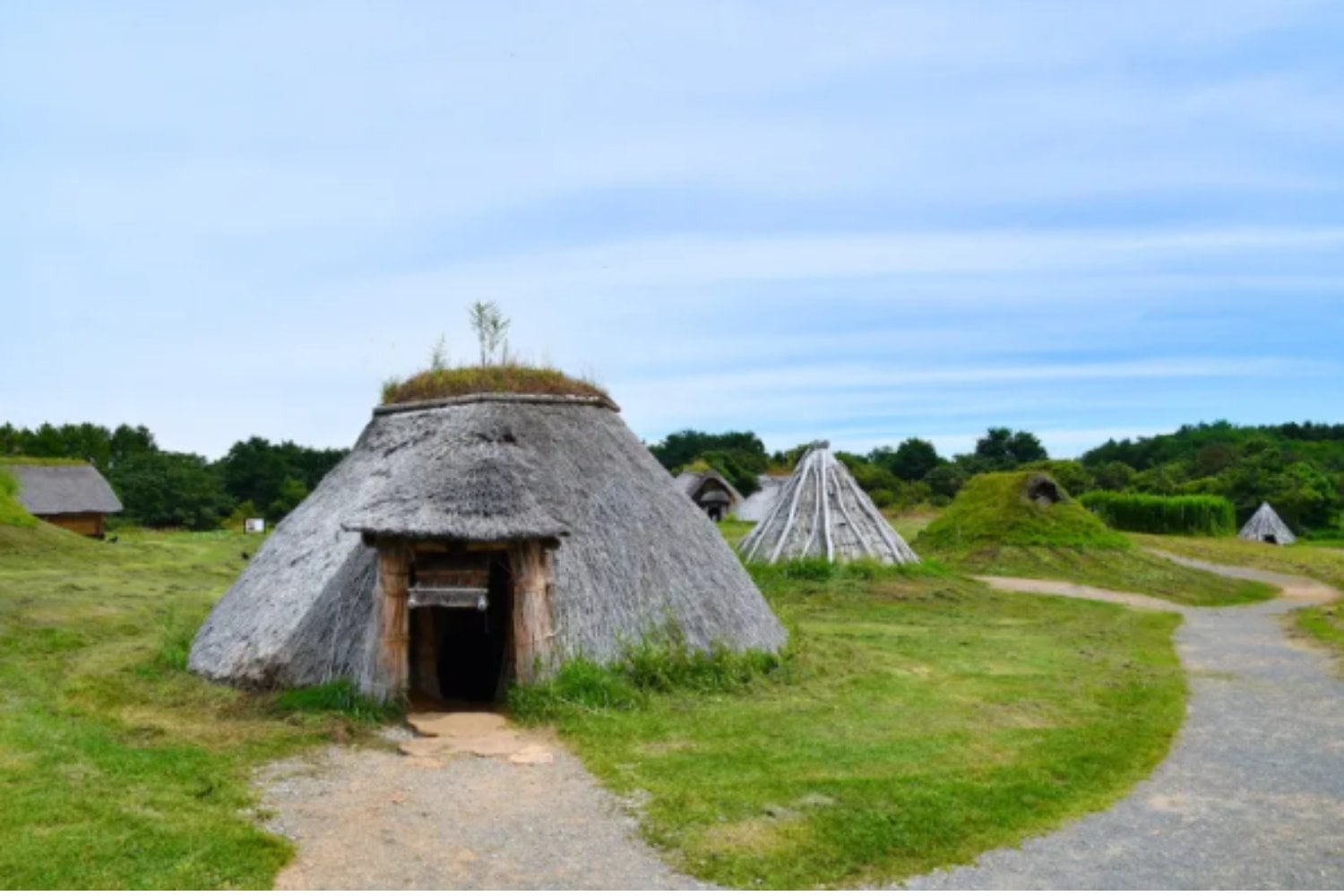
Archaeology, Population History, and the Old Migration Model
Here’s the deal: the older “multiple waves” idea didn’t appear out of nowhere. It grew from the fact that Japan’s prehistoric record shows change over time, and those changes seemed hard to explain through one simple movement of people. Different tool traditions appear, settlement patterns shift, and later periods show increasing regional complexity. That has encouraged scholars to imagine repeated arrivals, or at least repeated layers of contact, across the islands and the surrounding seas.
But genetics can complicate that picture in a very practical way. Populations don’t move like neat columns in a textbook. They split, merge, shrink, and absorb others. A small founding population can leave a large archaeological footprint if it spreads widely and adapts quickly. A larger incoming population can leave surprisingly little trace if later groups become numerically dominant. That’s why genetic evidence is so useful, and also why historians should handle it carefully. It can reveal broad patterns, but it rarely hands us a ready-made story.
What this means for the Jomon story
The Jomon period, usually dated from around 14,000 BCE to 300 BCE, sits right at the centre of these debates. The people we call Jomon weren’t a single frozen culture, of course. They lived across long centuries, across different regions, and under changing environmental conditions. If a major migration into Japan occurred around 16,000 years ago, then some of the population base behind the Jomon world may be older and more concentrated than previously assumed.
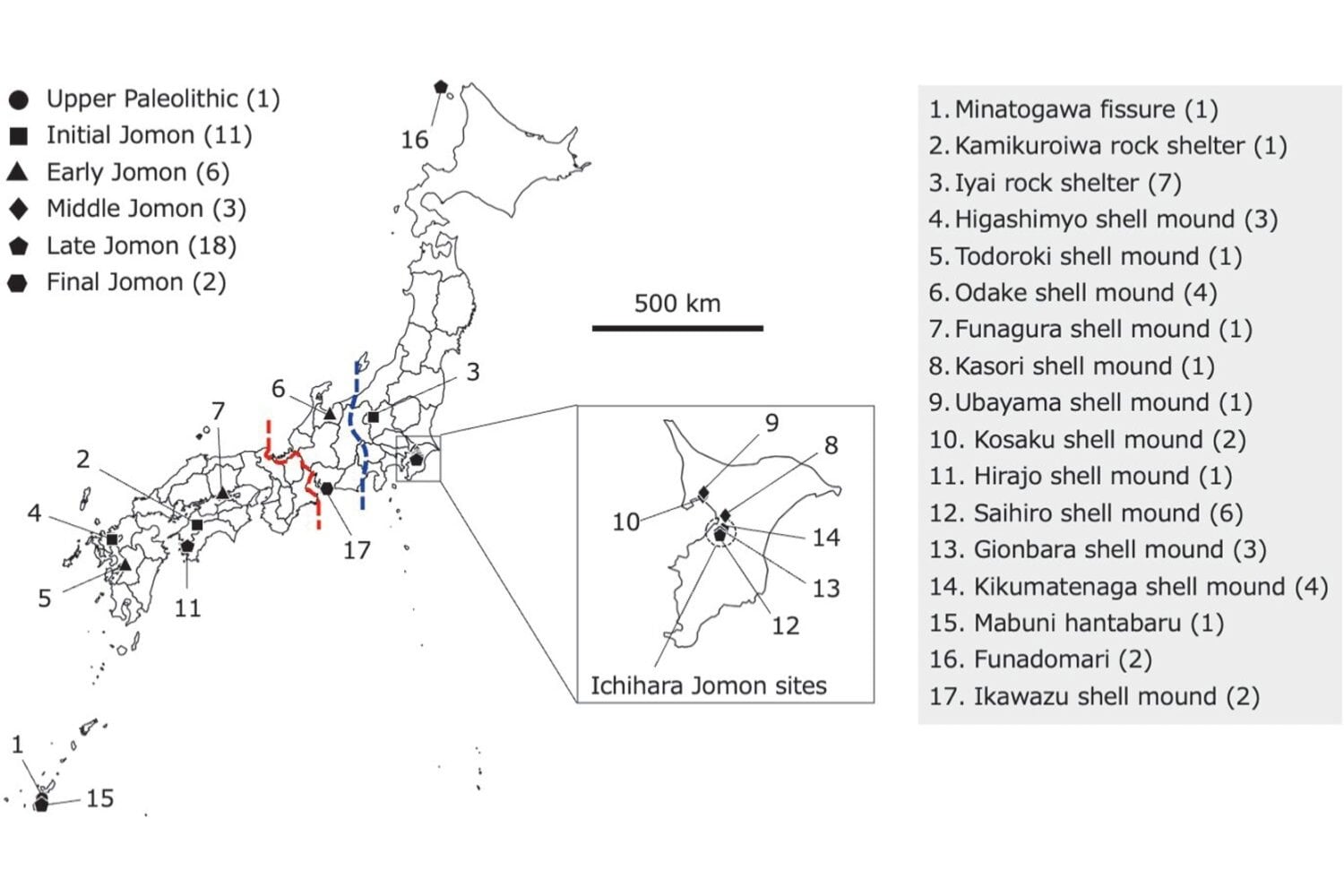
That wouldn’t erase later migration or regional mixing. It would simply mean that the original foundation was less fragmented than the popular story implies. My tip: when a headline says a study “rewrites” history, read that as a warning and an invitation. The past rarely gets rewritten all at once, but it does get redrawn around the edges. And in Japan’s case, those edges are where the interesting work lives.
Why This Rewrites Japan’s Origin Narrative
Hand on heart, people love origin stories because they’re tidy. Japan entered history through several waves. Different peoples arrived. Distinct cultures followed. End of story. Except history is almost never that obedient. If this genetic study holds up, we may need to imagine Japan’s early peopling as a more concentrated founding event, followed by centuries of adaptation, isolation, and local development across the archipelago.
That has real consequences for how we talk about Japanese identity in the deepest historical sense. It reminds us that population history is not the same thing as national history, and that modern categories don’t map neatly onto prehistoric lives. The islands that later became Japan weren’t waiting for a national essence to emerge. They were inhabited by humans making practical choices about movement, subsistence, and survival. No wonder, because the geography itself demanded flexibility.
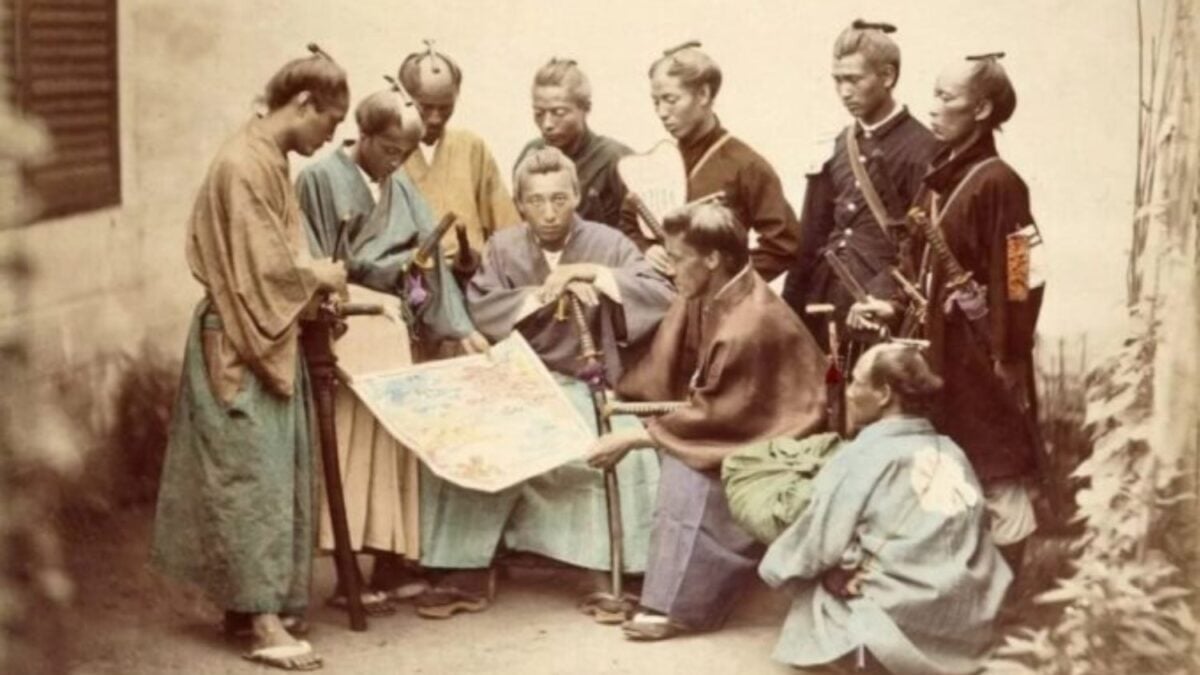
For Japan fans and language learners, this is worth knowing for another reason. So many of the culture stories we hear, from shrine origins to 侍 (samurai, samurai; warrior of the Japanese warrior class) lineages to regional customs, are built on layers of retrospective meaning. Early Japan is the same kind of puzzle, only much older and much quieter. The temptation is to turn uncertainty into legend. The better move is to sit with the uncertainty and keep reading the evidence. That, admittedly, is less dramatic. It’s also more honest.
What I especially like about this debate is that it shows how Japan’s past keeps resisting simplification. The islands weren’t populated by a single clean story, but the evidence may still point to a surprisingly unified beginning. That tension is where real scholarship lives. Or, to put it less politely, the archives and the DNA don’t care about our need for a neat timeline.
If you want more Japan history and culture reporting, you can also keep following the thread here: more Japan news on jpnerd.com.
Frequently Asked Questions
What is the main claim of the genetic study?
It suggests that Japan may have been settled through one major migration about 16,000 years ago, rather than several separate waves.
Does this mean archaeology is wrong?
No. It means archaeology and genetics may need to be read together, because they answer different parts of the same question.
Why should Japan learners care about this?
Because it changes how we understand Japan’s deep past, and it gives useful context for historical vocabulary, culture, and identity.