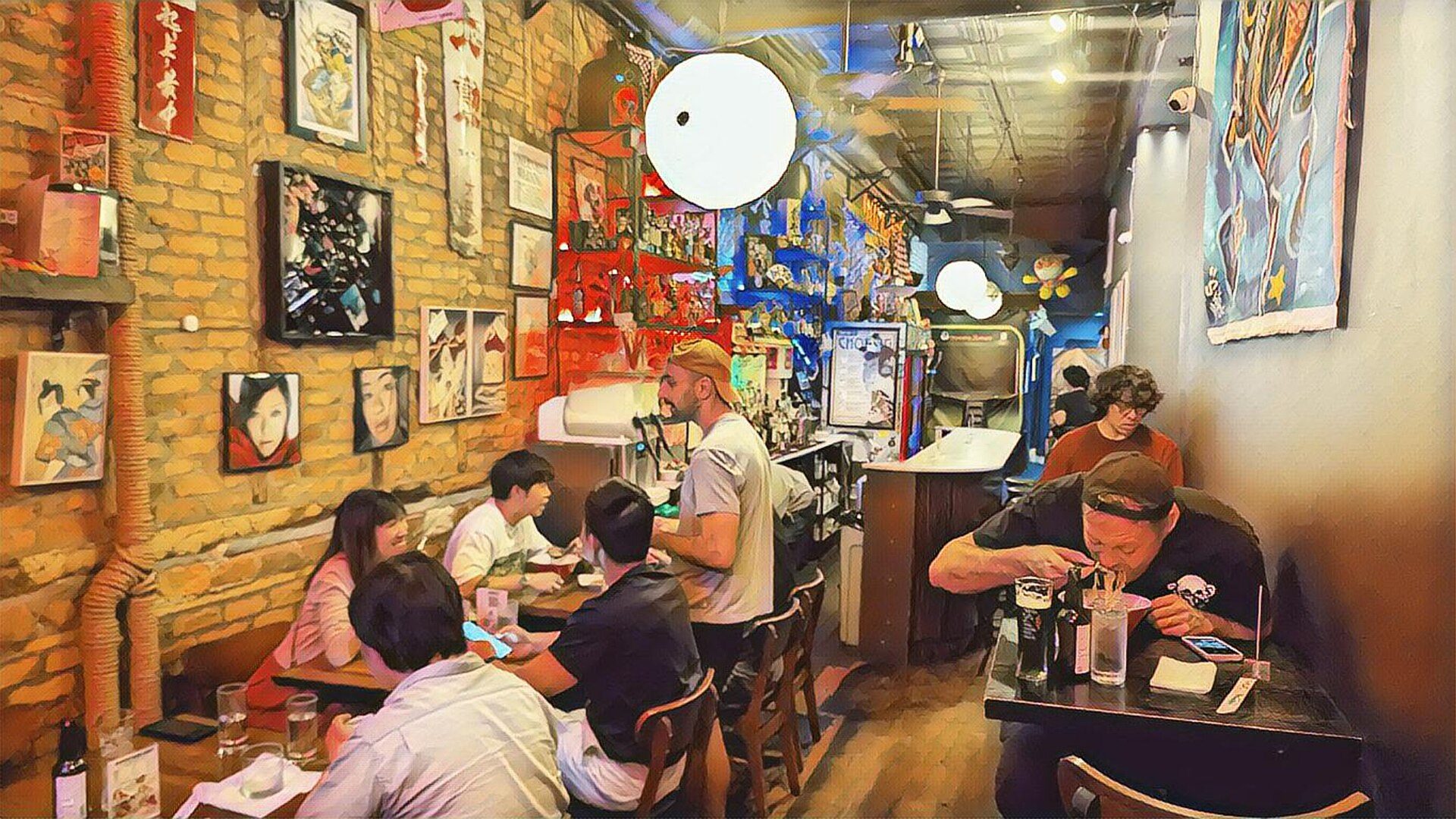
Japan Today recently reported on this trend from Japan, and it says a lot about modern fatherhood, school avoidance, and why an ordinary drinking spot can become a place for honest talk. Sounds weird, but it’s true.
Why Japanese dads are gathering in an izakaya
Know that feeling when a place that usually means a quick drink after work suddenly becomes a safe space for real talk? That’s exactly what makes this story stand out. In Japan, a group of fathers has started meeting in an 居酒屋 (izakaya, Japanese pub / tavern) to talk about their children refusing to go to school, the strain that puts on the family, and the awkward silence that often surrounds the issue at home.
The report from Japan Today points to a problem that’s been building for years: school absenteeism is rising, and families are looking for places where they can admit they’re struggling. No exaggeration, that matters because school refusal, often called 不登校 (futo ko, school refusal / non-attendance) in everyday discussion, can make parents feel isolated fast. When the child stops going, the whole home rhythm changes.
Here’s the thing: fathers are not always the first people expected to talk about worry in public. In many households, the mother ends up handling school contact, daily routines, and the emotional fallout. So when dads gather in an izakaya and speak openly, it can feel like a small but meaningful shift. See what I mean?
School absenteeism in Japan and the pressure on families
Did you know that Japan has seen record levels of school absenteeism in recent years? The Ministry of Education has reported more than 300,000 cases of students missing school for extended periods in recent annual figures, and that number has become one of the clearest signs that families need support, not judgement. This isn’t just about skipping classes, it can involve anxiety, bullying, exhaustion, or a child simply unable to face the school environment.
For parents, the pressure can be brutal. They may worry about grades, future job prospects, and what relatives will think. On a related note, Japanese society still puts a lot of weight on group harmony and keeping up appearances, so admitting that your child is struggling can feel embarrassing. That social pressure is part of why a support group in an izakaya makes sense. It offers privacy, warmth, and a setting where people can speak more naturally than they might in a formal meeting room.
Why an izakaya changes the mood
Think about the setting for a second. An izakaya is usually casual, a little noisy, and built around shared dishes, drinks, and relaxed conversation. It’s not a clinic, not a school office, and not a parent-teacher meeting. That lower-stress atmosphere can make it easier to say things you would normally hold back.
My tip: if you’re learning Japanese, this is a useful cultural cue. Words like 会社 (kaisha, company / workplace), 家庭 (katei, home / household / family life), and 社会 (shakai, society) come up all the time in stories about work, home, and society. Even without quoting Japanese phrases directly, you can see how the social world connects. The izakaya setting tells you the dads are choosing familiarity over formality, and that choice says a lot. Sounds good, right?
What the fathers are really talking about
I still remember exactly how many Japan stories sound light on the surface and heavy underneath. This one is no different. The dads are not just comparing notes about missing homework or awkward mornings. They’re talking about guilt, exhaustion, and the fear that they’re failing their children by not having the right answer.
And it gets better: the group also gives them practical support. One father may have already spoken to the school counsellor. Another may know how to frame the problem when talking to a spouse. Another may simply be able to say, "You're not the only one," and that alone can take the edge off a hard week. Highly recommended: never underestimate the value of ordinary empathy, especially when family life feels stuck.
On the flip side, these meetings also show how hard it can be for fathers to find support elsewhere. Some men still feel they should stay calm, solve things quickly, and not reveal too much emotion. But parenting does not work that way. When a child refuses school, the issue can drag on for months, sometimes longer, and parents need a place to process the stress before it spills everywhere else.
What Japan fans and learners can take from this story
For Japan fans, this is a strong everyday-life story because it shows the country beyond the neat postcard version. You get school pressure, fatherhood, neighbourhood drinking culture, and the quiet way people build communities when official systems feel too distant. That mix is very Japanese in the most practical sense, because real life often happens in places you wouldn’t expect.
If you are learning the language, this is also a nice reminder to watch for context rather than translating word for word. A story about fathers meeting over food and drinks may sound simple, but the social meaning is bigger. The setting tells you about trust. The silence between the lines tells you about shame. The shared table tells you about support. Guess what? Those are exactly the kinds of details that make Japanese media worth reading closely.
What I especially like is that this story doesn't force a neat ending. Parenting stress, school refusal, and family expectations do not disappear after one conversation. But a room full of dads talking honestly is a real start, and in Japan, that kind of honest start can be more powerful than it looks.
Want more stories like this? more Japan news on jpnerd.com
Frequently Asked Questions
Why are the fathers meeting in a casual place?
Because a relaxed setting can make difficult conversations feel safer and less formal.
What is the main issue behind the support group?
They are responding to rising school absenteeism and the pressure that creates at home.
Why does this story matter for Japan learners?
It shows everyday social life in Japan and helps readers understand family and community pressure in context.