

The clip quickly struck a chord online because it connects childhood memories with an actual place you could visit on a trip to Japan. Sounds weird, but it’s true.
Indian creator in Japan finds a Doraemon-style neighbourhood
Guess what? A video from an Indian creator travelling in Japan has been getting attention for one very specific reason: it shows a quiet neighbourhood that many viewers felt looked just like the area around Nobita’s house in Doraemon. That comparison is what made the clip spread so fast across social media.

The original report comes from Navbharat Live, which covered how the creator’s Japan trip turned into an anime nostalgia moment. While we're at it, this is exactly the sort of thing Japan fans love: a real-life street scene that suddenly feels connected to a childhood show.
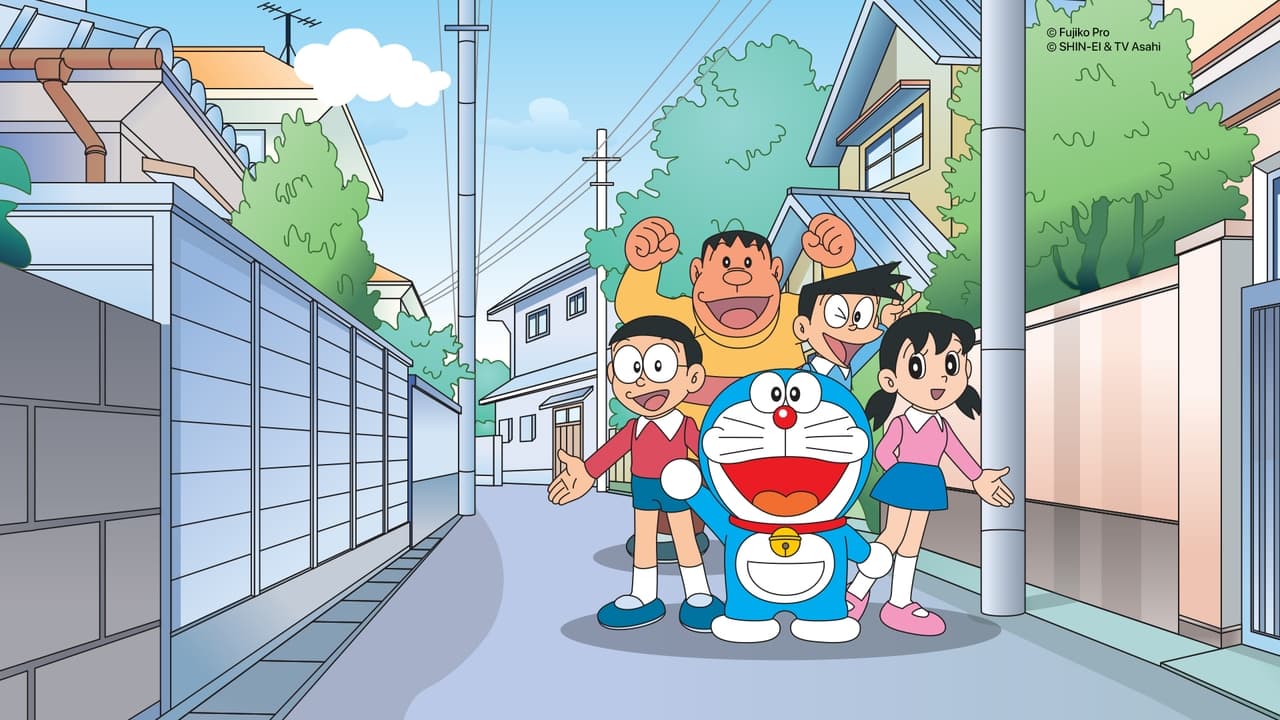
The video’s appeal is simple. Doraemon has been part of daily pop culture for decades, so even a normal residential road can trigger a flood of memories if the visual mood is right. The reason is simple: the show trained millions of viewers to notice sloped lanes, low walls, compact houses, and that slightly old-fashioned suburban atmosphere.
Compared with back home, many viewers said the neighbourhood felt calm, tidy, and almost too familiar. That sense of recognition is powerful, especially when a place in Japan seems to echo a fictional world you thought you knew only from animation. From my experience, that kind of overlap is one of the best parts of Japan travel because it makes the country feel both real and storybook-like.
Why Doraemon fans reacted so strongly
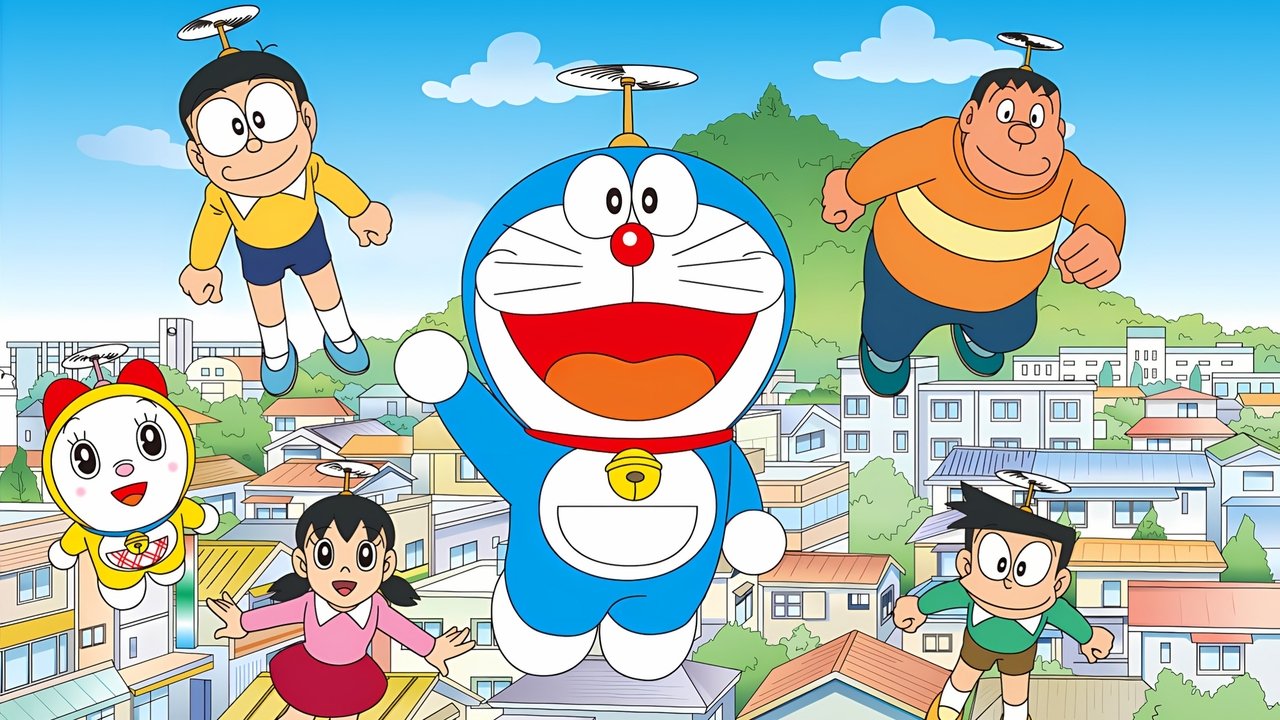
Let's be honest: Doraemon isn’t just another long-running anime, it’s a memory machine. The manga by Fujiko F. Fujio first launched in 1969, the anime later became a household favourite, and the 2005 TV series helped keep it fresh for newer generations.
So when a creator posts a video of a street that looks like Nobita’s neighbourhood, fans don’t just see architecture. They see after-school adventures, the blue robotic cat, and that familiar mix of humour and comfort that made Doraemon such a giant in the first place. See what I mean?
The visuals that triggered the comparison
Trust me on this one: it doesn’t take much. A narrow road, a gentle incline, a modest house with a simple fence, and a neighbourhood that feels lived-in rather than flashy can instantly call Doraemon to mind. If you’ve watched the series, your brain does the rest.




What I especially like is that Japan has plenty of areas where ordinary residential scenery still feels cinematic. That’s one reason anime tourism is so strong, because fans don’t only travel for famous landmarks, they also travel for atmosphere. Wild, isn’t it?
Speaking of which, the internet reaction to this clip shows how global anime culture has become. An Indian creator shares a local observation from Japan, and suddenly Doraemon fans from different countries are debating whether this is the “real” Nobita vibe. From my experience, that kind of conversation never really gets old.
What this means for Japan fans and language learners
For Japan enthusiasts, moments like this are more than viral content. They’re a reminder that anime settings often borrow from everyday Japanese neighbourhoods, railway edges, school routes, and suburban streets. That means your next trip to Japan could feel like stepping into a scene you have seen hundreds of times on screen.

For Japanese language learners, there’s a nice bonus too. Watching videos like this helps you connect words and places to real context. For example, words like 町 (machi, town; neighborhood) for town, 住宅 (juutaku, housing; residence) for housing, and 伸び (nobi, stretch; rise) for a gentle slope or rise can become easier to remember when you associate them with actual scenes instead of flashcards alone.
Oh, I almost forgot: this is also a good reason to pay attention to everyday Japan content, not only temple tours or neon city clips. A quiet neighbourhood can teach you a lot about design, lifestyle, and the visual language that anime has used for years. Sounds good, right?
My tip for spotting anime-like places in Japan
My tip: when you’re walking around Japan, slow down and look at the small details. Pay attention to stairs, narrow lanes, utility poles, older apartment blocks, neighbourhood parks, and the way houses line up on a hill. Those are the background details that make anime settings feel believable, and they’re often the same details that get fans emotional online.
Seriously though, that’s why posts like this work so well. They don’t need a famous shrine or a blockbuster theme park, just a real street that reminds people of a beloved story. And for Doraemon fans, that connection is pure nostalgia, in the best possible way. See what I mean?
In pictures


Frequently Asked Questions
Why did this Japan video go viral?
Because it showed a real neighbourhood that many Doraemon fans thought looked like Nobita’s home area.
Is the place officially confirmed as Nobita’s house?
No, it is mainly a fan comparison based on the look and feel of the neighbourhood.
Why do anime fans care about real locations in Japan?
They enjoy seeing places that match the worlds they know from anime, which makes travel feel more personal.


