
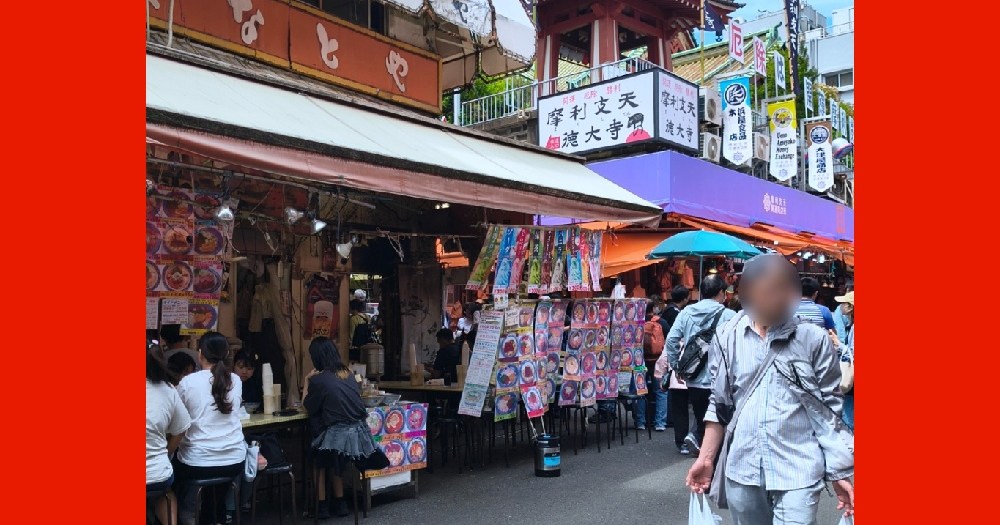
If you know アメ横 (Ameyoko, Ameyoko market street), you know the feeling: narrow lanes, loud calls from shop staff, food drifting from grills and stalls, and that slightly improvised energy that makes the area so lovable. So when officers step in, it’s not just a traffic or safety story. It’s a small glimpse into how Tokyo manages its most chaotic urban spaces.



Tokyo police crack down on outdoor seating in Ameyoko
What happens when one of Tokyo’s liveliest market streets gets a little too relaxed about outdoor seating? In Ameyoko, the answer seems to be a police check that took place on 5 May, right in the middle of Golden Week, when the area is already buzzing with visitors and the pavements feel narrower than usual.
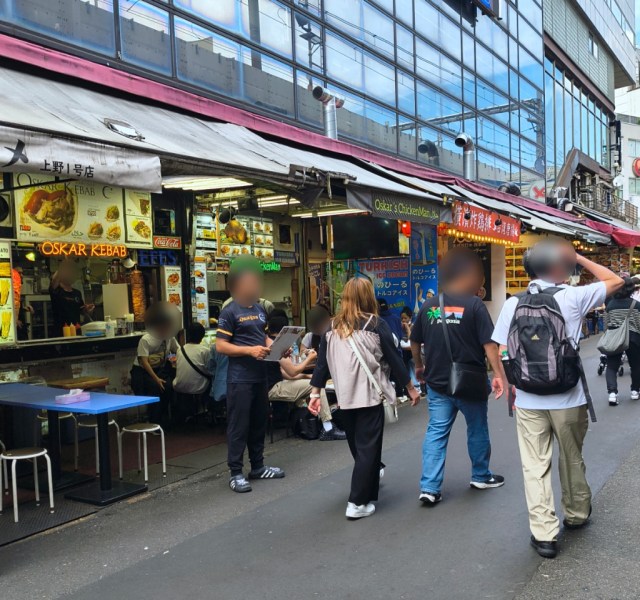
Ameyoko, short for アメヤ横丁 (Ameya-Yokocho, Ameya Yokocho market street), sits near 上野 (Ueno, Ueno district) Station and has long been one of those Tokyo places that feels half organised, half gloriously improvised. You’ll find dry goods, seafood, clothing, snacks, beer, and a kind of open-air energy that doesn’t really exist in the same way in the polished parts of the city. That’s part of the charm. It’s also part of the problem, depending on who you ask.
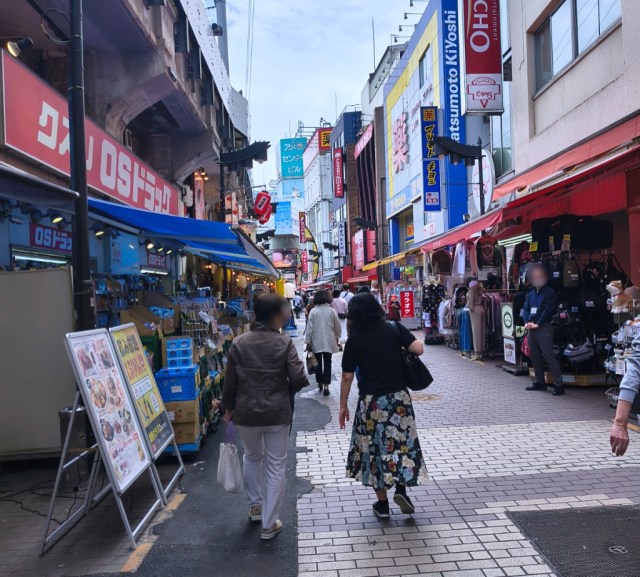
The police action reported by SoraNews24 focused on outdoor seating and the way it spills into public space. In a district like Ameyoko, a chair outside a shop can look harmless, even welcoming. But once enough chairs appear, and once people start lingering with drinks or food, the flow of pedestrians changes. And in a place this busy, flow is everything.
The first time I went to Japan, I thought urban order here meant everything would feel neat and quiet. Then I spent time in market streets like this, and I realised the real story is more interesting. Tokyo isn't just tidy. It's constantly negotiating between movement and pause, between business and public use, between the freedom to sit and the need to keep people moving.
Why Golden Week matters so much
Golden Week is one of the busiest holiday stretches in Japan, and by 5 May the whole city can feel like it’s on a different rhythm. Families travel, local residents head out for day trips, and major shopping and leisure areas fill up fast. In a place like Ueno, that means even ordinary pavement habits get magnified.
By the way, if you’re learning Japanese, this is a good moment to notice how often daily life in Japan revolves around timing and space. Words like ひやり (hiyari, a chilling feeling) for a chilling feeling, or 迷惑 (meiwaku, trouble; nuisance to others) for causing trouble to others, come up again and again in conversation about public behaviour. You hear the same social logic in stories like this one. Not loudly, but clearly.
That doesn’t mean the police are trying to erase the atmosphere of Ameyoko. It usually means they’re drawing a line where a charming mess starts becoming an obstruction. In Japan, those lines are often enforced through warnings, guidance, and repeated reminders before anything dramatic happens. Still, when officers show up during Golden Week, the message lands harder.
And then the tourists arrived, as they always do. Or rather, they were already there. That’s the point. When a neighbourhood depends on constant foot traffic, any rule about seating, standing, or lingering becomes part of the urban choreography. Convinced yet?
Ameyoko and the street-food feel of old Tokyo
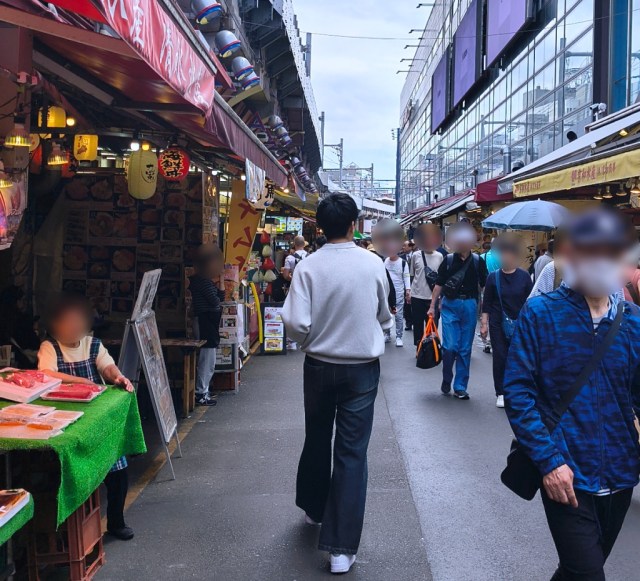
What I especially like about Ameyoko is that it still feels a bit human-scaled, even with all the noise. The market grew out of postwar black-market culture, and that history still lives in the way people move through it. Shops open outward. Food is eaten fast. Conversations happen in half-shouted bursts. It’s not fancy, and that’s exactly why people love it.



When the street becomes the dining room
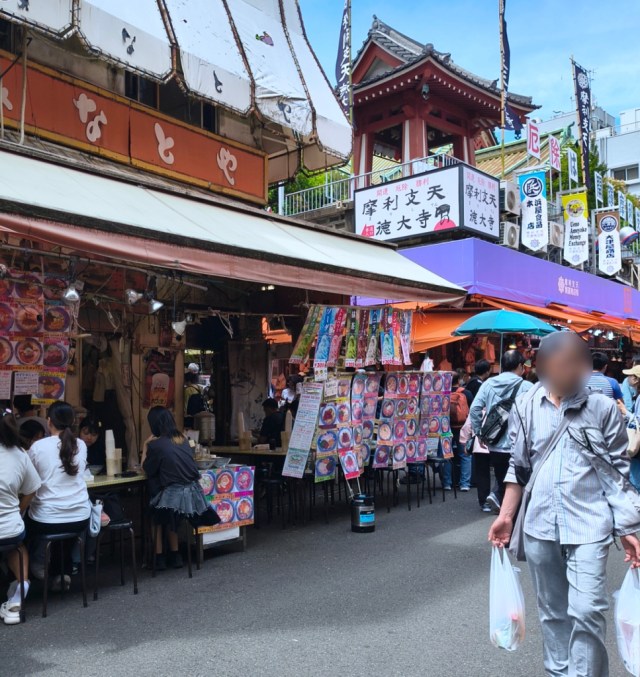
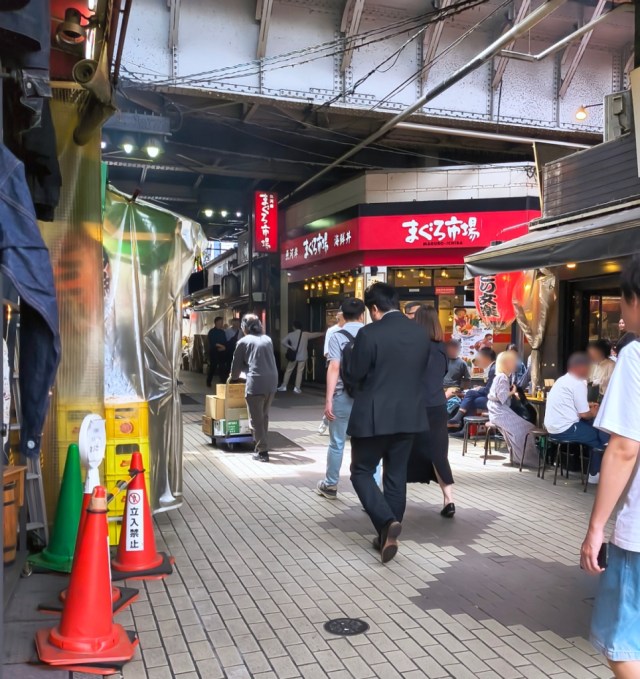
For example, if a shop puts out a few chairs, it can create the feeling of a tiny shared terrace. Nice, right? But once several businesses do it, the street starts to lose its open shape, and what felt like spontaneous hospitality turns into a permanent occupation of public space. Tokyo, like any dense city, has to decide where atmosphere ends and blockage begins.
Insider tip: if you want to understand Tokyo’s market districts, don’t just look at the goods. Watch where people stand, where they stop, and where they hesitate. Those tiny pauses tell you how the neighbourhood works. In Ameyoko, the street-food vibe is not just about taste. It’s about permission, improvisation, and the constant possibility that a small habit will become a bigger issue.
There’s also a practical side. Crowded walkways can create bottlenecks for older visitors, families with buggies, delivery workers, and the many people who pass through Ueno every day just trying to get somewhere else. My tip: visit these areas with a little patience and a lot of awareness. You’ll enjoy them more, and you’ll see how much of Tokyo runs on quiet cooperation. From my experience...
What police controls change in Tokyo market neighborhoods
Let me show you why this matters beyond one street. When police or local authorities tighten control in a place like Ameyoko, they aren’t only managing one seating issue. They’re shaping the future feel of the neighbourhood. A market street can become cleaner and safer, sure, but it can also lose some of that loose, slightly unpredictable energy that made it memorable in the first place.
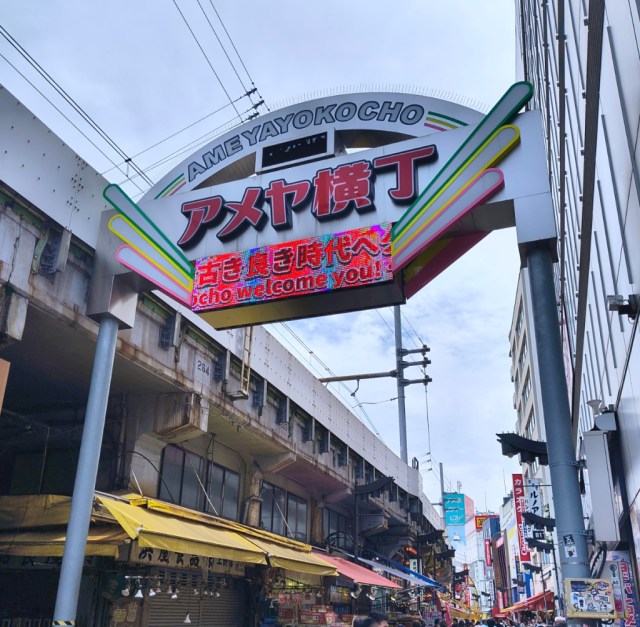
That tension comes up all over urban Japan. 渋谷 (Shibuya, Shibuya district) has its own balance problems. Osaka’s food streets have theirs. Even smaller shopping arcades can swing between lively and over-managed. Japan is often admired for order, but the most interesting places are the ones where order and mess keep arguing with each other in public.
Oh, almost forgot: this is also why location matters so much in Japanese city life. A rule that seems minor in a quiet residential block can feel very different in a packed market district. The same chair, the same cup, the same habit, but a completely different meaning. That’s urban Japan in a nutshell.
So yes, a police check on 5 May may sound small. But in a place like Ameyoko, it touches tourism, street culture, local business, and the daily rhythm of one of Tokyo’s most crowded neighbourhoods. And that’s what makes it worth paying attention to, especially if you care about Japan as it actually is, not just as a postcard. Wild, isn't it?
In pictures
Frequently Asked Questions
What happened in Ameyoko?
Police checked outdoor seating in the area and cracked down on setups that may have been affecting pedestrian flow.
Why was the timing important?
The check happened on 5 May, during Golden Week, when the area is much busier than usual.
Why does this matter for Japan fans?
It shows how Tokyo balances lively street culture with rules for public space.

