If you’re into Japan travel, nightlife, or just love places that turn history into a full experience, this one’s worth a look. My tip: go with curiosity, not just hunger.



Bon Dance Izakaya in Shinjuku: Edo Feeling at the Kabukicho Entrance
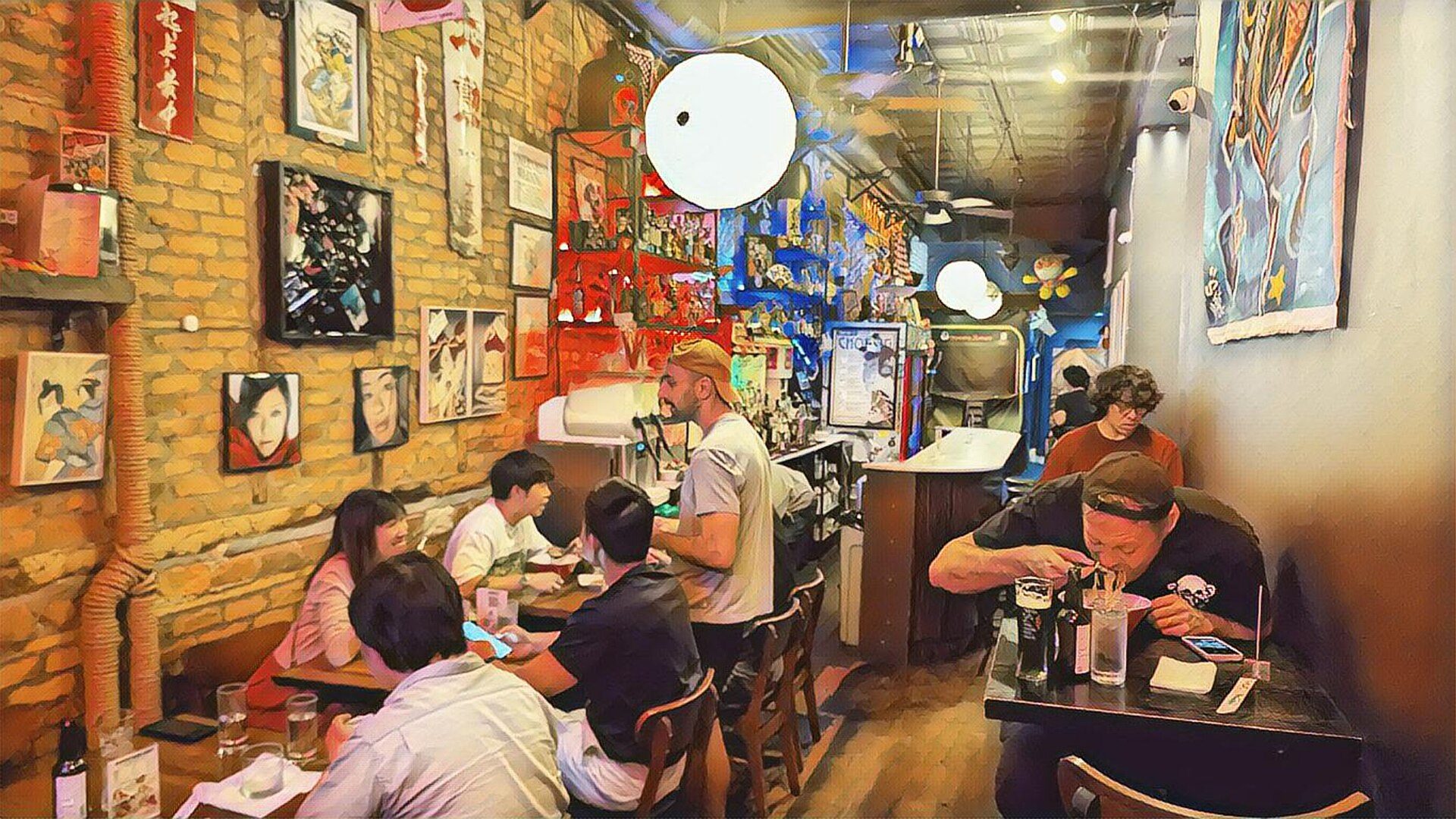
Picture this: you step out near 新宿 (Shinjuku, Shinjuku district) Station, walk towards the 歌舞伎町 (Kabukicho, Kabukichō district) entrance, and suddenly the mood shifts. Neon is still everywhere, of course, but this 居酒屋 (izakaya, Japanese-style pub) is designed to give you a strong 江戸 (Edo, Edo (old Tokyo))-period feeling, like the owner wants your evening to start long before the first drink arrives. Classic Japan, isn't it?
The first time I went to Japan, I learned that themed restaurants aren't just about decor. They’re about setting a scene, and this place leans all the way in. Instead of a plain bar counter and a few posters, you get an experience that sells atmosphere as much as food. That’s why Bon Dance Izakaya stands out in a district already packed with late-night options.
What Makes the Shinjuku Location So Interesting
Shinjuku is already one of Tokyo’s busiest nightlife zones, and Kabukicho is the best-known part of it. Being at the entrance matters, because it catches people before they fully disappear into the maze of bars, karaoke spots, and restaurants. For visitors, that location makes the place easy to find, even if you’re only passing through for one drink and dessert.
That brings us to the biggest appeal: it feels like a stop between modern Tokyo and an older Japan that’s been staged for fun. You’re not getting museum-level authenticity, and that’s fine. You’re getting a night out with a strong visual idea, which is exactly why people book these places.
Why the location works for Japan fans
For example, if you’ve been studying Japanese and know words like edo, izakaya, or kabukicho, the setting suddenly becomes more than decoration. It turns into a real-world vocabulary lesson. You can connect the words with the mood, the lighting, the style of service, and the kind of food people expect in a place like this.
Unlike what we’re used to, themed dining in Tokyo often aims for immersion, not just a cute sign at the door. The whole point is to make you feel like you’ve entered a different chapter of the city. Highly recommended: go at night, when the Shinjuku crowd and the restaurant’s own atmosphere blend together properly.
Edo-Period Japan as a Nightlife Concept
Basically, the concept here is Edo-period Japan filtered through modern nightlife. Think lantern-like lighting, period-inspired design touches, and a general sense that the restaurant wants to echo old Tokyo, when the city was still called Edo. No wonder, because that era still shapes how many people imagine traditional Japan.
To be fair, themed restaurants can sometimes feel too staged. But when they’re done well, they’re memorable because they give travellers something specific to talk about later. This is especially useful in Shinjuku, where there’s so much competition that plain good food alone isn’t always enough to stand out.
How to enjoy the concept without overthinking it
My advice is simple: treat it like a night out first and a history lesson second. If you go expecting a textbook reconstruction, you’ll miss the point. If you go wanting a fun blend of food, drinks, and performance-like atmosphere, you’ll probably enjoy it a lot more.



For Japanese learners, this is also a neat chance to notice how places brand themselves in Japan. Words like wa, edo, and izakaya are often used to signal style quickly, even before you see the menu. That’s one reason themed dining can be a surprisingly useful part of language learning.
Matcha Tiramisu and the Menu Surprise
While we’re at it, let’s talk dessert, because the menu includes matcha tiramisu. That combination alone tells you a lot about modern Japanese dining culture, where an Italian classic gets recast with a Japanese flavour profile. It sounds unusual at first, but in Japan this kind of fusion dessert is normal enough to feel almost standard.
What I especially like is that matcha tiramisu bridges two worlds. You still get the creamy, layered comfort of tiramisu, but the matcha adds a bitter, earthy note that keeps it from tasting too sweet. If you’ve only had matcha in lattes or soft serve, this is a nice next step.
What to order if you want the full experience
My tip: pair the dessert with something savoury before you leave, because that makes the matcha tiramisu pop even more. If you’re learning Japanese, this is also a good moment to practise menu reading in romaji and learn how dessert names are often borrowed or adapted. It’s a small thing, but it makes dining feel less intimidating.
And yes, dessert at an izakaya matters more than people think. A lot of travellers remember the sweet finish as much as the main dishes, especially when it’s something as photogenic and easy to recommend as this. This is my absolute hidden gem!
Who Should Go to Bon Dance Izakaya?
Let me show you why this spot makes sense for a very specific crowd. If you like Tokyo nightlife, enjoy themed restaurants, or want a place near Kabukicho that feels more playful than ordinary, you’ll probably have a good time. It’s also a solid choice for Japan fans who want an Edo-inspired setting without leaving central Shinjuku.
On the other hand, if you only want a fast, quiet meal, this probably isn’t the right match. The concept is part of the attraction, so the appeal is tied to mood, noise, and visual detail. Convinced yet?
From my experience, the best themed places in Tokyo are the ones that commit fully, and this one seems to understand that rule. It doesn’t just offer food, it offers a story for the evening. That’s exactly the kind of thing that makes a Japan trip feel richer.
Frequently Asked Questions
Where is Bon Dance Izakaya located?
It is in Shinjuku, near the entrance to Kabukicho.
What kind of concept does the restaurant use?
It is styled around Edo-period Japan and sells that atmosphere as part of the experience.
What dessert is mentioned for this place?
Matcha tiramisu is one of the desserts highlighted.