For Japanese learning fans, this is also a neat reminder of how long Nintendo has kept old favourites alive through ports, remasters, and rereleases. Wild, isn't it?

![Startup Company [Console Edition] (Limited Edition)](https://s.pacn.ws/1/p/157/startup-company-console-edition-limited-edition-741799.16.jpg?v=ry4mm8&width=400)
![Startup Company [Console Edition]](https://s.pacn.ws/1/p/157/startup-company-console-edition-741779.10.jpg?v=ry4ngq&width=400)
Super Mario Galaxy 2 gets a surprise Nintendo Switch update
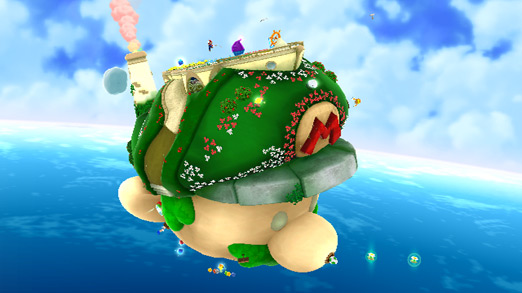
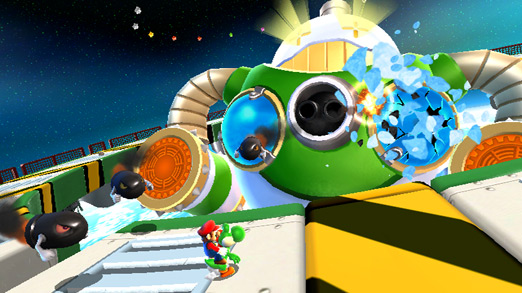
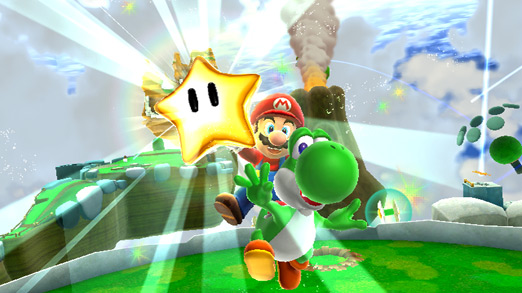
Super Mario Galaxy 2 is the name at the centre of this latest Nintendo surprise. GIGA reported that an update has appeared for the game on Nintendo Switch, and that news spread quickly because nobody was really expecting fresh attention for a 2010 platformer.
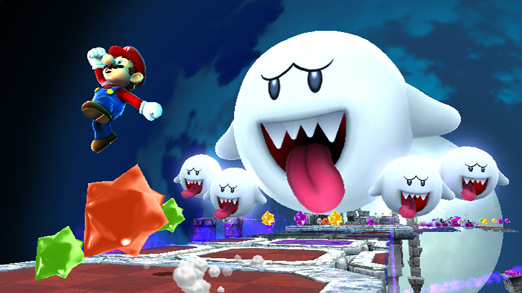
The original Super Mario Galaxy 2 launched on Wii in 2010, developed by Nintendo EAD and directed by Yoshiaki Koizumi and Koichi Hayashida. It followed the first Super Mario Galaxy from 2007, and it's long been remembered as one of the best 3D Mario games ever made. The reason is simple: even after all these years, it still feels polished, fast, and full of ideas.
Here's the kicker: a title like this doesn't usually make headlines unless something meaningful changes. That's why this report landed with such force. When a classic Mario game gets any kind of update on Switch, fans immediately ask whether it's a bug fix, a compatibility tweak, or a sign that Nintendo is quietly preparing something bigger.
My tip: if you follow Nintendo news, pay attention to small update stories like this. They often look minor at first, but they can reveal how Nintendo is managing old software behind the scenes. For language learners, that kind of news is also useful because it gives you real-world gaming vocabulary, terms like 更新 (koshin, update) for update, サービス (sa-bisu, service) for service, and 採用 (saiyou, selection/adoption; hiring) for selection or adoption in other contexts. Since Japanese game coverage often leans on short, punchy phrasing, it's a great place to pick up natural media language. Simply brilliant.
Why an old Mario game suddenly matters again
Compared to back home, Japan's game culture has a very long memory. Older Nintendo titles don't just disappear, they often keep living through collections, online stores, anniversary campaigns, and fan discussion. That's part of why a small update can feel bigger than it sounds.
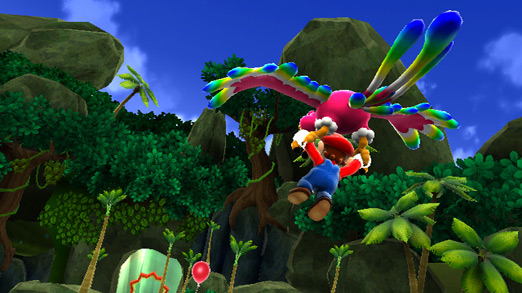
Take Super Mario Galaxy 2 for instance. Even though it's 15 years old, it still gets mentioned in top Mario rankings, speedrunning communities, and retrospective videos. The game's gravity-based planet hopping, surprise transformations, and tightly designed stages make it a favourite for players who want precision rather than open-ended exploration.
What kind of update could this be?
To be fair, not every update means new content. In many cases, Nintendo updates are silent fixes that improve stability, handle version checks, or keep software aligned with system changes on Switch and Switch 2. That may sound boring, but it matters, because old games can break in odd ways when hardware or firmware changes.
We've seen this kind of thing before with other Nintendo releases too. A game can get a tiny patch years later, and suddenly fans are reading patch notes like treasure maps. For a company as careful as Nintendo, even a modest update can be a sign that the title is still being maintained, which is reassuring for anyone who bought it digitally and expects it to keep working. My verdict: boring on paper, interesting in practice.
What this means for Japan fans and language learners
Know that feeling when a childhood game returns to your feed and you instantly want to replay it? That's exactly what this kind of news does. It connects nostalgia, hardware history, and the ongoing life of Nintendo's catalog in one neat package.
For Japan enthusiasts, there is also a cultural angle. Nintendo is one of Japan's most recognisable entertainment companies, and its business style often favours patience over noise. Instead of loud announcements, you get quiet maintenance, careful releases, and sudden little surprises that spread through gaming sites and social media. If you are studying Japanese, this is a useful pattern to notice, because headlines often use compact expressions and indirect phrasing.
It also helps to watch how gaming news outlets frame older titles. A phrase like 旧作 (kyuu-saku, old/classic work), meaning an old or classic work in casual speech, comes up often when people talk about beloved games. You'll also see words around koshin, 版 (ban, edition/version), and 発売 (hattsubai, release; on sale) in coverage of releases and updates. Learning these in context is much easier than memorising them from a list. Wait, there's more.
Honestly, I think these mini-stories are some of the best entry points into Japanese media habits. They're short, specific, and tied to something many people already care about, which makes the language stick. If you love Mario and want more reasons to read Japanese gaming coverage, this is the kind of news worth following closely.
Here's the deal: even a small Nintendo update can remind us that old games are not frozen in time. They keep moving with the hardware, the fans, and the platform around them. That's why Super Mario Galaxy 2 getting fresh attention on Switch feels like more than a patch note, it feels like a tiny event. Personally...
Sources
In pictures
Frequently Asked Questions
What is the big news here?
A surprise update has reportedly appeared for Super Mario Galaxy 2 on Nintendo Switch.
Why are fans paying attention?
Because an old Mario game getting updated can hint at maintenance, compatibility fixes, or future Nintendo plans.
Is this a new game?
No, it is a classic title from 2010 that is suddenly getting fresh attention again.