For Japan fans and Japanese learners, this update is more than just a content drop. It’s a look at how Nintendo keeps old hardware alive in new ways. That brings us to the bigger story behind the announcement, and why these games still matter in 2026.

![Startup Company [Console Edition] (Limited Edition)](https://s.pacn.ws/1/p/157/startup-company-console-edition-limited-edition-741799.16.jpg?v=ry4mm8&width=400)
![Startup Company [Console Edition]](https://s.pacn.ws/1/p/157/startup-company-console-edition-741779.10.jpg?v=ry4ngq&width=400)
Nintendo Switch Online gets a major update
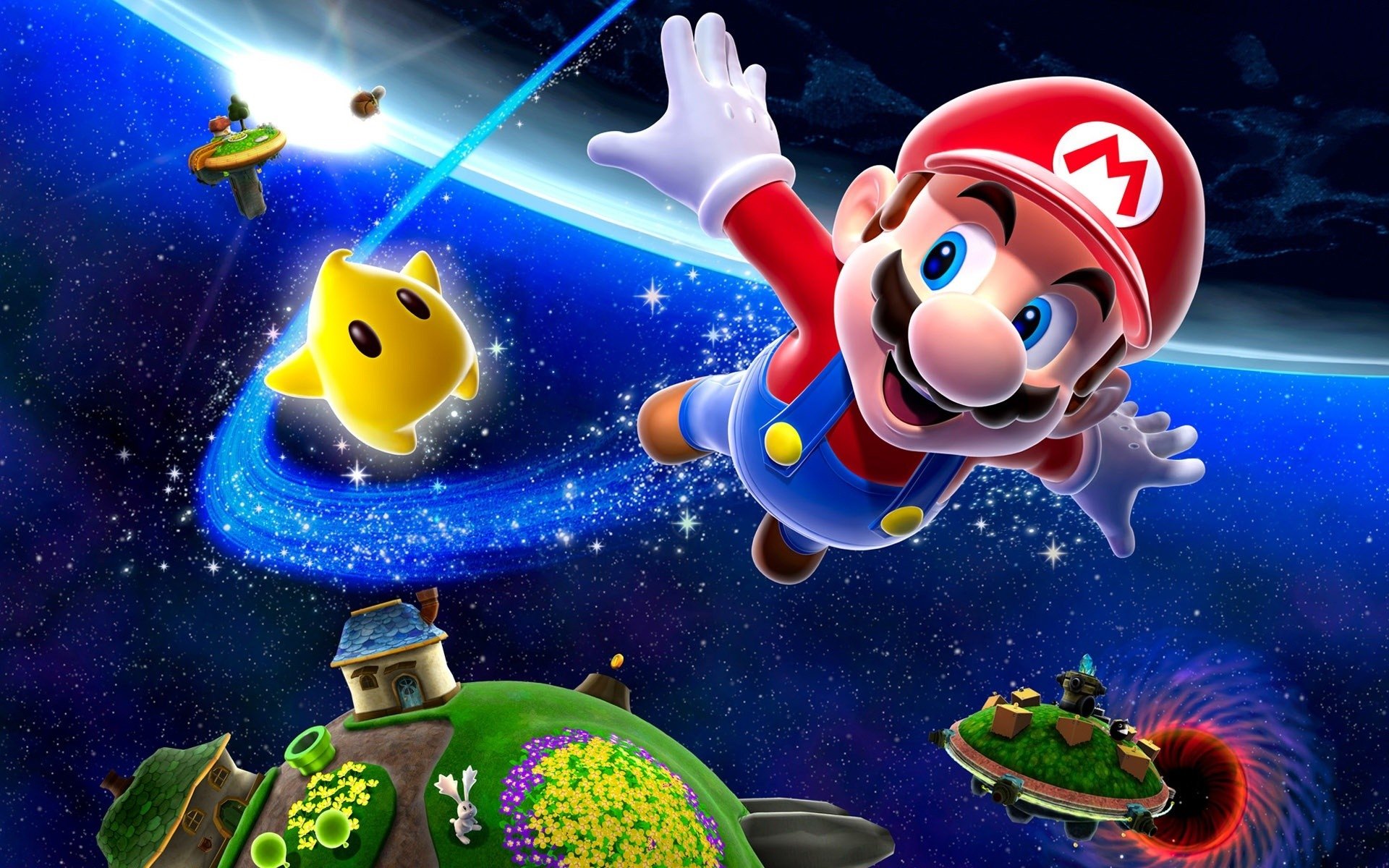
Switch Online has always been one of Nintendo’s strangest little balancing acts. You pay for access, you get classic games, cloud saves, online play, and every now and then a headline-grabbing surprise that reminds everyone how deep Nintendo’s back catalogue really is. This latest update does exactly that, with Videogames Chronicle reporting that Mario Sunshine is on the way, along with Virtual Boy-related announcements.
The timing matters, because Nintendo knows how to turn nostalgia into a service feature. No wonder, since the company has spent decades building characters and systems that stay relevant across generations, from Famicom to Switch. If you know a bit of Japanese, the word fandom itself feels fitting here, because Nintendo fans often act like a long-running fan circle, keeping old favourites alive with near-religious attention. See what I mean?
My tip is this: if you’re learning Japanese, this is a great moment to notice how Nintendo’s own Japanese branding often keeps things simple. Mario Sunshine is called Super Mario Sunshine in Japan too, and the name itself is easy to spot in Japanese media, merchandise, and fan discussions. Wait, there’s more.
Why Mario Sunshine still matters
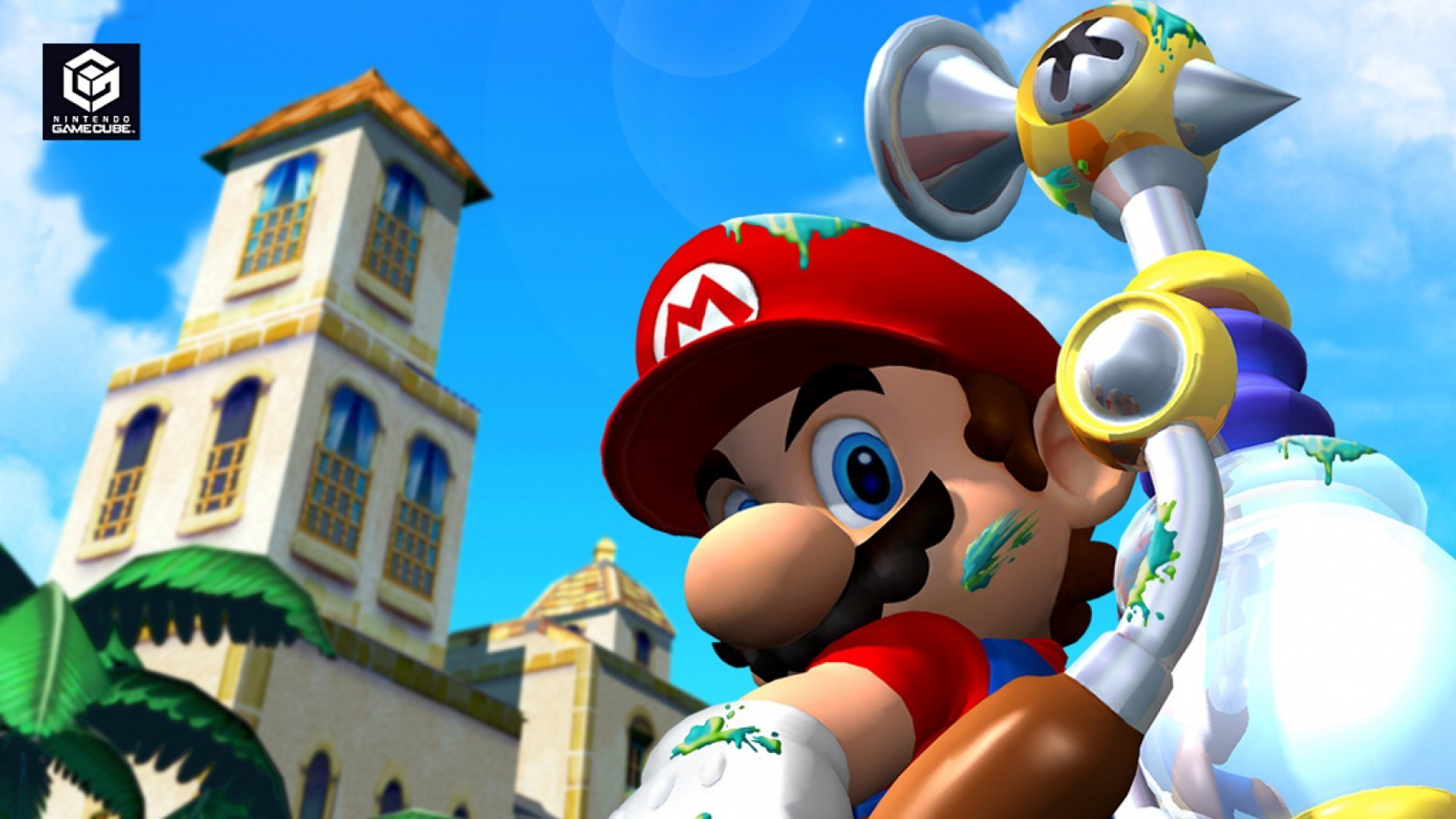
Mario Sunshine first launched in 2002 on the Nintendo GameCube, which makes it one of the most talked-about 3D Mario games of the early 2000s. It was developed by Nintendo EAD, directed by Yoshiaki Koizumi, and it gave Mario his flood-powered FLUDD backpack, which changed movement, puzzle-solving, and speedrun routes in a big way. For a generation of players, it was the summer Mario game: bright, tropical, and slightly awkward in the best possible way.
I still remember how many people treated Sunshine like the odd one out when it arrived. That changed over time, because its Delfino Plaza setting, tricky camera, and freer movement made it stand apart from Super Mario 64 and Super Mario Galaxy. In Japan, fans often talk about it with the same mix of affection and criticism they reserve for cult anime films, the kind that age into respect. By the way, if you see fan comments about shiroi hito or tropical stage vibes, they’re often talking about the game’s clean, sunny visual style rather than just its mechanics.
The best part is that putting Sunshine on Switch Online means a new generation can finally play it without hunting down old hardware or expensive second-hand discs. For learners, that also means hearing familiar Mario vocabulary in menu text and review videos, which is a nice low-pressure way to build reading confidence. Not bad, right? But that’s not all.
Virtual Boy returns, and that is a big deal
Are we really talking about Virtual Boy in 2026? Apparently yes, and that’s exactly why this update feels so unusual. Nintendo’s 1995 Virtual Boy was a commercial failure, but it’s never stopped being a conversation piece, partly because it was so unlike anything else the company made. It used red-and-black stereoscopic visuals, came from Gunpei Yokoi’s team, and disappeared quickly, which only made it more legendary among collectors.
On a related note, the promise of Virtual Boy titles and features on Switch Online is more interesting than it sounds at first glance. If Nintendo is serious, this could mean curated releases, display options, or some kind of presentation layer that recreates the original effect without demanding the original headset. The original system was awkward, uncomfortable, and famously hard to market, but it’s got a kind of retro aura now, especially for fans who like Nintendo history almost as much as Nintendo games themselves. Insider tip: when Japanese gamers talk about “kakei” style nostalgia, they’re often mixing admiration with a little disbelief, and Virtual Boy fits that mood perfectly. Wait, there’s more.
What this means for Japan fans and language learners
Imagine a narrow alley in Tokyo. You stop at a game shop, and the shelf tags are full of familiar words, GameCube, Mario, and retro labels that still pull people in. Nintendo’s latest move works the same way online, because it connects modern convenience with the emotional pull of older eras, and that’s a very Japanese media strategy in spirit: keep the old, reframe it, then sell it with care.
For Japanese learners, there’s a practical angle too. Nintendo news is full of short, repeatable vocabulary, such as 新 (shin, new), 理由 (riyuu, reason), and 解説 (kaisetsu, explanation; commentary) when articles explain a change, and game discussions often use simple, direct language. If you follow Japanese gaming accounts on social media, you’ll notice how often people talk about nostalgia with words like 懐かしい (natsukashii, nostalgic; bringing back memories), or describe a comeback with ついに (tsui ni, finally; at last). Those are easy terms to recognise, and they show up all the time in fan reactions.
What I especially like is that Nintendo rarely just throws old games at a service and calls it a day. It tends to frame them as part of a larger legacy, and that helps turn a subscription into a living museum. That’s especially true when a weird system like Virtual Boy enters the picture, because suddenly the history lesson becomes the headline. See what I mean?
What to watch next on Switch Online
It’s early morning in Kyoto. You grab coffee, open your phone, and check which classic game has quietly been added overnight, because that’s how Nintendo news often lands. If Mario Sunshine really arrives soon, expect clips, comparisons, and speedrun talk within hours, while Virtual Boy support will likely trigger even more debate about what should count as playable preservation.
My guess is that Nintendo is using this update to test how far nostalgia can stretch on a modern subscription platform. The company has already shown it can move between eras, from NES and Super Famicom titles to Game Boy and Nintendo 64 additions, and now it’s poking at one of its strangest corners. On a related note, that makes Switch Online feel less like a static library and more like a rotating exhibit.
For Japan fans, that’s exciting because it keeps the conversation tied to real games, real hardware, and real history. If you love Japan, you probably already know that the country’s best pop culture archives are often built through continuity, not replacement. Nintendo understands that better than most. But that’s not all.
Frequently Asked Questions
Will Mario Sunshine be available on Switch Online?
Nintendo has announced it as part of the update, and it’s expected to join the service soon.
Why is Virtual Boy such a big deal here?
Because it was one of Nintendo’s most unusual systems, and even its failure has become part of gaming history.
Is this update useful for Japanese learners?
Yes, because Nintendo news uses clear vocabulary, and it’s a good way to build reading habits through familiar game topics.