
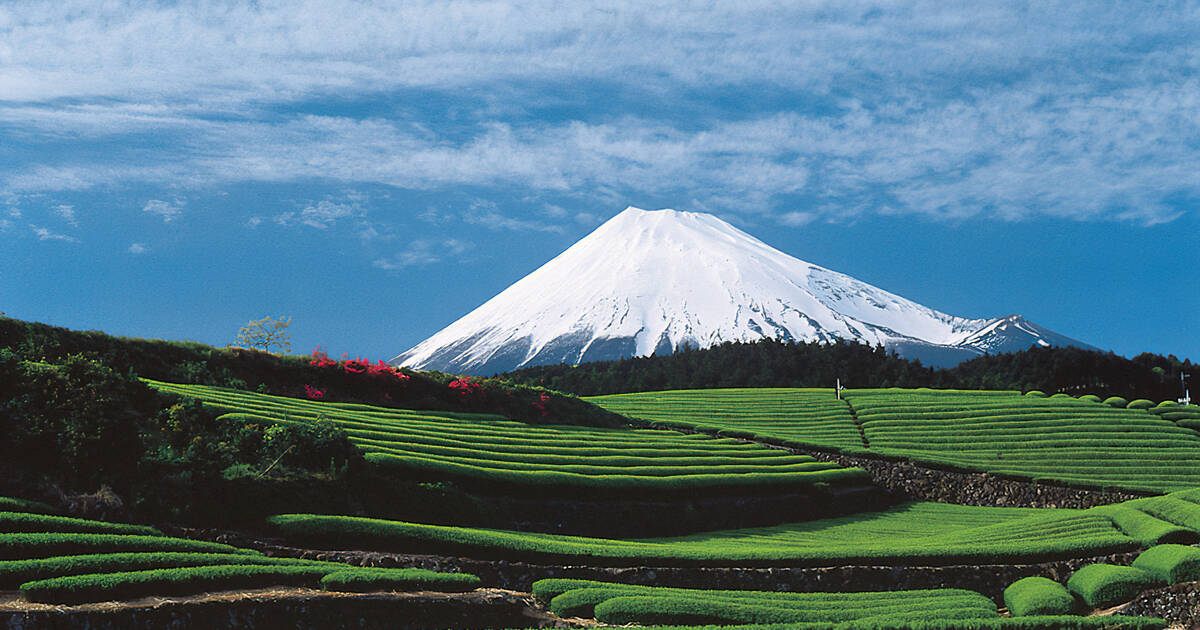
The 1872 regulation and why it matters
Question: what exactly happened in 1872, and who wrote the rule? The short version is this, as best as our surviving records allow. In 1872, a regulation appeared in local records that effectively barred women from reaching Mount 富士 (Fuji, Fuji; Mount Fuji)'s summit. The directive came during the early 明治 (Meiji, Meiji period) period when the state was reorganising religious sites and practices, and it echoed older customs that treated certain sacred spaces as gendered.
Here's the kicker: that regulation didn’t just emerge from nowhere. It was shaped by centuries of devotional practice around Fuji, by confraternities like the 富士講 (Fuji-ko, Fuji confraternity), and by a broader set of ideas about purity and access to 神 (kami, 神道 (Shinto, Shinto) spirits; deities), the Shinto spirits associated with the mountain. To be fair, the Meiji state's administrative language turned religious custom into law-like commands, which made these rules stick in official archives even if enforcement varied on the ground.

Religious logic and gendered access
Picture this: a crowded trail, incense smoke, and a mountain that people treated as both god and destination. Historically, some Japanese sacred places used a practice called 女人禁制 (nyonin kinsei, ban on women entering), a prohibition on women's entry. Fuji wasn’t the only site with gendered limits, but its status as both a natural feature and an object of worship made the question of access more complicated than a simple ban.
Seriously though, the rationale wasn’t purely misogynistic in modern terms. Many shrine records and theological writings frame the rule in terms of ritual purity. That said, ritual purity itself carried assumptions about the body and sex, which in practice produced exclusion. The result was that women often undertook devotional acts around Fuji that stopped short of the summit. A great example is female pilgrims who performed rituals at lower stations, still considering themselves part of Fuji's devotional community.
What our sources have to say
Trust me on this one: our best available narrative comes from local records and later journalistic summaries. The modern retelling that focuses on the year 1872 is useful because it marks the moment when old customs were given new bureaucratic force. My reading leans on a detailed article in JapanUp and the UNESCO inscription summary for Mount Fuji, which places the mountain's sacred traditions in the context of its 2013 World Heritage recognition; see UNESCO. Convinced yet?



From forbidden to festival: how Fuji became universally climbed
No joke, today the mountain is different in every sense. Modern infrastructure, mass tourism, and changing religious practice mean that in peak season, hundreds of thousands of people climb Fuji each year, most doing so in July and August. The change didn’t happen overnight. Meiji-era reforms, the rise of recreational mountaineering in the 大正 (Taisho, Taishō period) and Showa periods, and postwar tourism all eroded older barriers.
Let's be honest: social change did the heavy lifting. As shrine authorities shifted focus and local governments promoted Fuji as a national symbol and tourist destination, gendered restrictions lost their administrative teeth. On a related note, the arrival of better trails, mountain huts, and publicity turned a once-ritual ascent into an accessible hike for families, foreign visitors, and domestic tourists alike. Sounds weird, but it's true.
Why this history still matters to language learners and Japan fans
Imagine you encounter the phrase nyonin kinsei in a history text or conversation. Now you know it's not an abstract curiosity but a label for practices that shaped physical access to sacred space. Learning the word in romaji can help you read older sources or museum labels. My tip is that when you read travel writing about Fuji, look for mentions of Fuji-ko, yamabushi, and how shrine theology influenced local rules. What I especially like about this topic is how it ties religion, gender, and the state together in a single, visible landscape.
Before I forget, none of this erases the human stories, women who found workarounds, pilgrims who developed parallel rituals, and modern climbers who treat the summit as a place of personal meaning rather than exclusion. The 1872 rule is a reminder that what we call heritage often hides contested histories.
Frequently Asked Questions
Was Mount Fuji completely closed to women after 1872?
No. The 1872 regulation placed formal restrictions on summit access, but enforcement varied. Women often worshipped at lower stations and participated in related rituals.
When did women start climbing Mount Fuji freely?
Access changed gradually across the late 19th and 20th centuries as religious oversight loosened and tourism expanded. By the postwar period, climbing was largely open to all.
Sources
- JapanUp Magazine: Article on Mount Fuji women ban (reference)
- UNESCO World Heritage Centre: Fujisan, sacred place and source of artistic inspiration


