
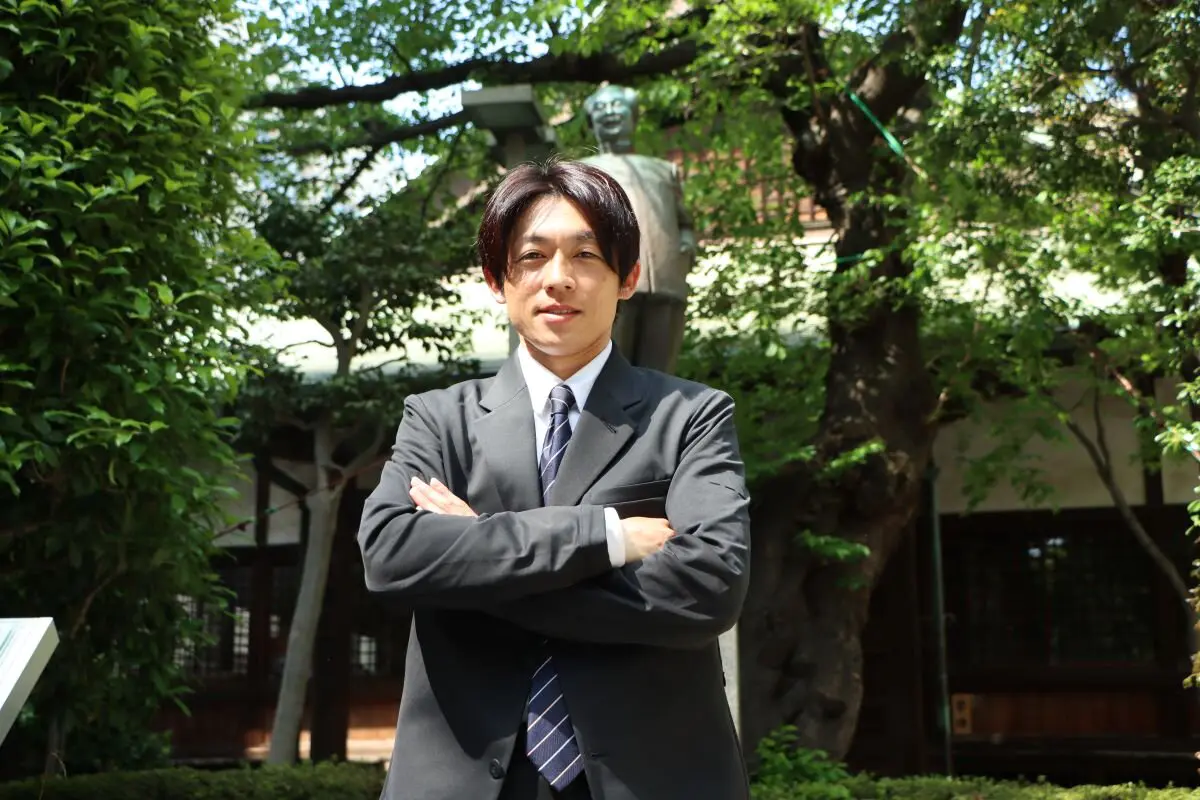
The Kokushikan University 駅伝 (ekiden, road relay race) team has a new face in charge of its men's squad, and for anyone who follows Japanese university long-distance running, this kind of personnel shift is exactly the sort of quiet but meaningful moment that shapes a programme's future. Fukuda Minoru has been appointed as the new men's head coach, stepping into one of the more storied athletic roles in Tokyo's university sports world. It's a change worth paying attention to, especially if you've ever wondered how Japan's deeply traditional relay-running culture actually sustains itself from one generation to the next.



Ekiden, Kokushikan, and Why Any of This Matters
Picture this: a crisp January morning on the roads between Tokyo and 箱根 (Hakone, Hakone (mountain town / race course)), crowds lining the route, runners pushing through mountain passes in a relay that stretches over two days and roughly 217 kilometres. That's the Hakone Ekiden, and for Japanese university athletics, it's basically everything. Winning it, or even qualifying for it, defines a programme's identity for years.
Kokushikan University, based in 世田谷 (Setagaya, Setagaya ward), Tokyo, has a long history with competitive ekiden running. Its sports programmes, gathered under the Kokushikan Sports umbrella, have produced serious distance runners over the decades. So when the university announces a coaching change in the men's long-distance squad, it's not just an administrative footnote. It's a signal about where the programme is headed.
Ekiden itself is a word worth knowing if you're learning Japanese. The term comes from "駅 (eki, station / post)" (station or post) and "伝 (den, relay / transmit)" (transmit or relay), which in romaji reads as ekiden. Historically, it referred to a system of relay messengers passing dispatches between post stations in ancient Japan. That origin gives the race a kind of poetic weight that Japanese runners and fans genuinely feel. It's not just a sport; it's sort of a living metaphor.
Who Is Fukuda Minoru?
The new men's coach is Fukuda Minoru, and his appointment was formally announced through Kokushikan's official sports news channel. In Japanese athletics circles, coaching appointments at university ekiden programmes tend to carry real weight because these coaches don't just manage training schedules. They mentor athletes during some of the most formative years of their lives, often shaping not just their running careers but their entire approach to discipline and perseverance.
What I especially like about the way Japanese university athletics works is this sense of continuity. Coaches come from within the running world, often former competitive runners themselves, and they carry institutional memory with them. Whether Fukuda fits that mould, and what specific background he brings to Kokushikan, will become clearer as the programme develops under his leadership. But the appointment itself suggests the university is serious about rebuilding or reinforcing its competitive standing in men's long-distance events.
Speaking of which, Kokushikan has been working to strengthen its ekiden presence over recent seasons. Getting the coaching structure right at the men's level is a foundational step, not a cosmetic one. From my experience following Japanese university sports from a distance, and occasionally up close, these quiet off-season decisions tend to matter far more than any single race result.
The Role of a University Ekiden Coach in Japan
Hand on heart, the role of a university ekiden coach in Japan is unlike almost anything you'd find in Western collegiate athletics. These coaches often live alongside their athletes. Team dormitories, called gasshuku-style training camps, are common. The coach sets not just training loads but, in many programmes, dietary routines, sleep schedules, and even aspects of daily conduct. It's a level of involvement that can feel intense to outside observers, but within the culture of Japanese sports, it's understood as part of the commitment.
The Japanese term for this kind of all-encompassing sports mentorship is sometimes described through the concept of "監督 (kantoku, coach / director)," which in romaji is kantoku, meaning director or manager, though it implies something closer to a guardian of the programme's spirit. Whether Fukuda will operate in that full kantoku tradition at Kokushikan remains to be seen, but the structure is there for it.
What This Means for Kokushikan's Hakone Ekiden Ambitions
The Hakone Ekiden, held every January 2nd and 3rd, is the pinnacle of Japanese university road relay running. Qualifying for it alone requires teams to navigate a brutal preliminary race in October. Kokushikan has had its ups and downs with Hakone qualification over the years, and a coaching change at the men's level is often part of a deliberate effort to course-correct or push toward a new ceiling.



Guess what? The timing of an appointment like this, announced during the off-season, is pretty standard in Japanese university athletics. Programs use the quieter months to restructure, recruit, and set the tone for the next training cycle. By installing Fukuda now, Kokushikan gives him time to assess his roster, build relationships with his runners, and establish a training philosophy before the serious competitive season kicks in.
What many overlook is just how much the mental and cultural side of ekiden preparation matters. Distance running at this level is obviously physical, but Japanese coaches tend to emphasise something closer to mental fortitude, called "精神力 (seishin ryoku, mental fortitude)" in romaji, as a distinct training target. Getting a group of young men to run through fatigue, doubt, and pressure on a public road in front of millions of viewers requires a very particular kind of coaching intelligence. See what I mean?
A Note for Japanese Language Learners
If you're learning Japanese and you want a way into sports culture, ekiden is a genuinely great entry point. The vocabulary around it is rich and practical. "Tasuki" is the sash runners pass between legs in a relay, a deeply symbolic object in ekiden culture. "Kukan" means section or leg of the race. "Kantoku" for coach or director. "Senshu" for athlete or competitor. These aren't just sports words; they show up across Japanese media, conversations, and even workplace metaphors. Japanese people use ekiden imagery to talk about teamwork and perseverance in everyday life. Not bad, right?
And if you ever find yourself watching Hakone Ekiden coverage live on NTV in early January, which you absolutely should do at least once, you'll hear these terms constantly. It's one of those immersive listening experiences that textbooks simply can't replicate.
A Small Change With a Long Shadow
I spent some time thinking about why a single coaching appointment at a Tokyo university feels worth writing about. And I keep coming back to this: Japan's sports culture is built on exactly these kinds of moments. Not the spectacular ones, but the quiet, deliberate, institutional ones. A university decides who will guide its young male runners. A man named Fukuda steps into that role. A training cycle begins.
And then everything that follows, the early mornings, the long road sessions through Tokyo's outer wards, the team meetings, the slow building of trust between coach and athlete, all of it flows from this one small decision. That's how tradition actually works. Not through grand gestures, but through people showing up and doing the thing, season after season.
My tip? If you want to understand Japan beyond the surface level, start paying attention to its sports institutions. The ekiden world, in particular, reveals so much about how Japanese society thinks about effort, belonging, and the quiet dignity of doing something difficult together. You'll eventually find your Japan somewhere in there.
Frequently Asked Questions
What is the Hakone Ekiden?
The Hakone Ekiden is a major university road relay race held in Japan every January, running between Tokyo and Hakone over two days and covering around 217 kilometres. It is one of the most-watched sporting events in Japan.
Who is the new men's coach at Kokushikan University?
Fukuda Minoru has been appointed as the new head coach for the men's long-distance running and ekiden team at Kokushikan University in Tokyo.
Why do university ekiden coaching changes matter in Japan?
University ekiden coaches in Japan play a major role in shaping athletes' training, discipline, and team culture. A coaching change often signals a shift in direction for a programme's competitive ambitions, particularly in relation to qualifying for prestigious races like the Hakone Ekiden.

