What Exactly Is the Miniature Nintendo GameCube?
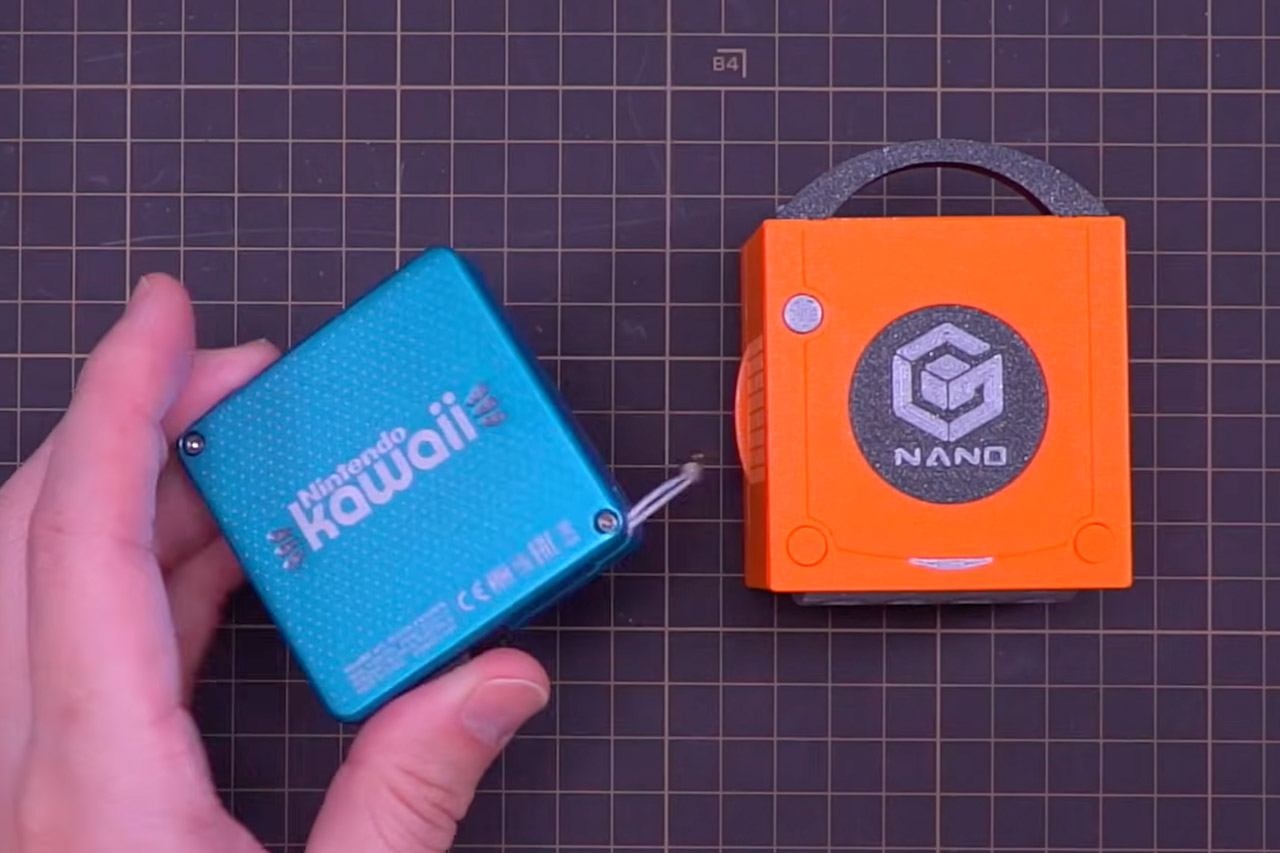
Know that feeling when you see something so small and so perfectly crafted that your brain just refuses to accept it's real? That's exactly what happened when Macho Nacho Productions dropped their miniature GameCube build on YouTube. It looks like someone shrunk the original 2001 console down to roughly the size of a large matchbox, yet it plays actual GameCube games.
![Tiny Tina's Wonderlands [Next-Level Edition] (English)](https://s.pacn.ws/1/p/13a/tiny-tinas-wonderlands-nextlevel-edition-english-707353.12.jpg?v=rt1dpt&width=400)
![Startup Company [Console Edition] (Limited Edition)](https://s.pacn.ws/1/p/157/startup-company-console-edition-limited-edition-741799.16.jpg?v=ry4mm8&width=400)
![Startup Company [Console Edition]](https://s.pacn.ws/1/p/157/startup-company-console-edition-741779.10.jpg?v=ry4ngq&width=400)
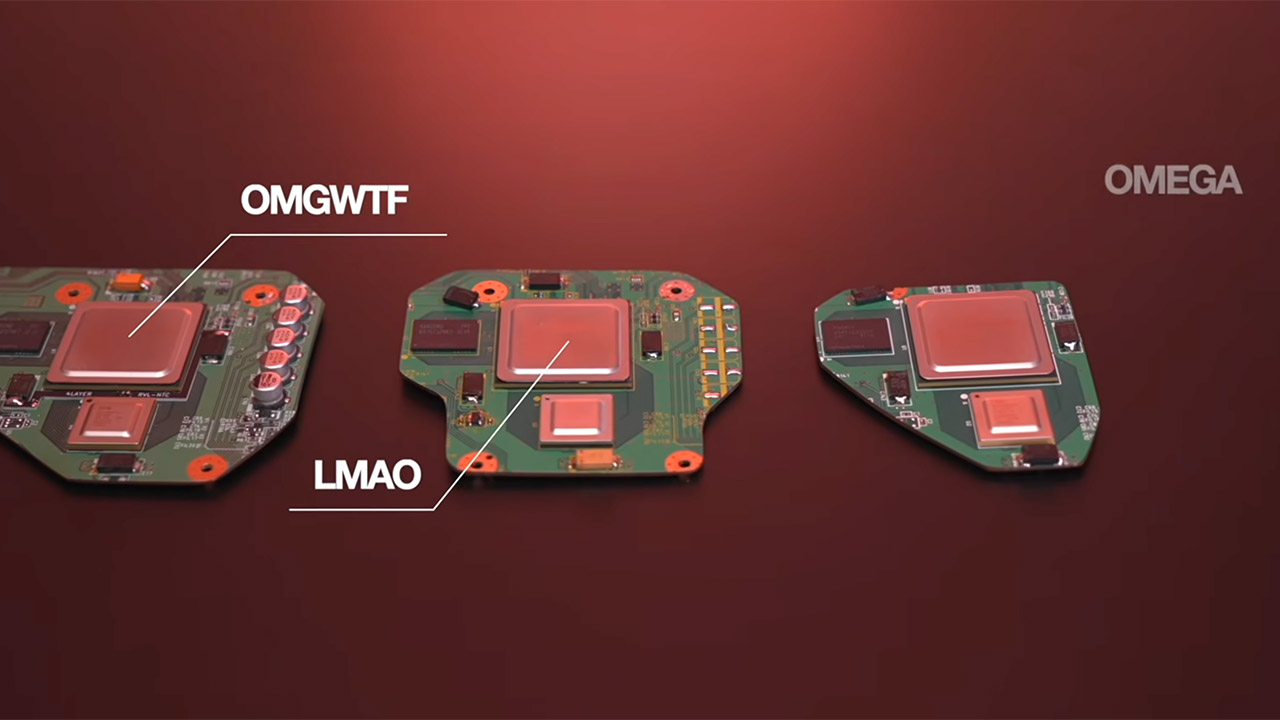
This isn't emulation. There's no Raspberry Pi hiding inside running software pretending to be a GameCube. The team stripped down real GameCube hardware, specifically a trimmed motherboard from an original console, and fit it into a custom-designed enclosure that mirrors the iconic cube shape Nintendo became known for in Japan and worldwide. The result is a working GameCube that's a fraction of the original size.
Speaking of which, the GameCube, known in Japan as the Nintendo GameCube and released there in September 2001, was already considered a relatively compact console compared to the PlayStation 2. It had that distinctive handle on the back, which Nintendo called a carrying handle, and the whole design screamed 可愛い (kawaii, cute) (the Japanese concept of cuteness applied to objects and design). Making it even smaller almost feels like a natural next step.
How Macho Nacho Productions Built It
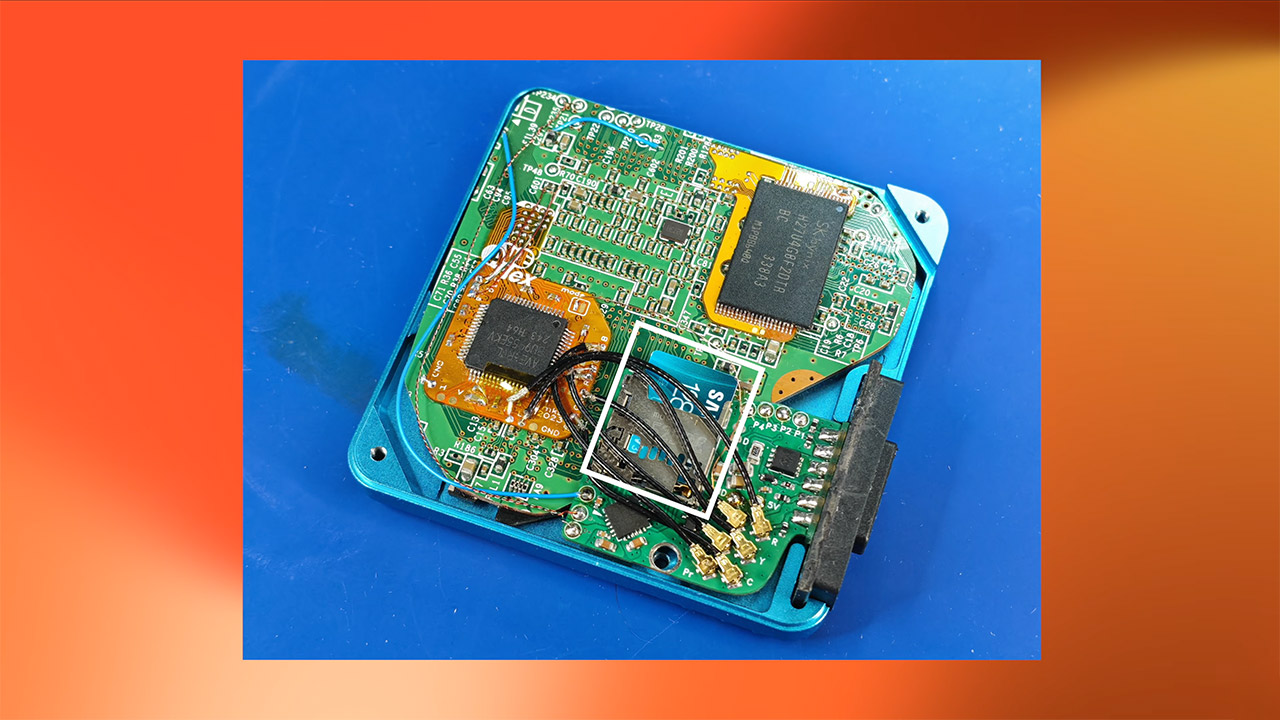
Here's the deal: this kind of build isn't something you can knock together over a weekend. Macho Nacho Productions, a YouTube channel dedicated to hardware modifications and retro gaming deep-dives, spent serious time on this project. The process involved trimming the original GameCube motherboard, which means physically cutting away sections of the PCB that aren't essential to the core functions while keeping everything that matters intact.
Trimming a motherboard is genuinely risky work. One wrong cut and you've destroyed an irreplaceable piece of gaming history. The team had to relocate components, reroute connections, and design a custom housing that could contain everything, including a battery solution for portable use. The final build also incorporates a small screen, making it a fully self-contained handheld GameCube. No exaggeration: it's one of the cleanest hardware mods in this space.
The Technical Details That Matter
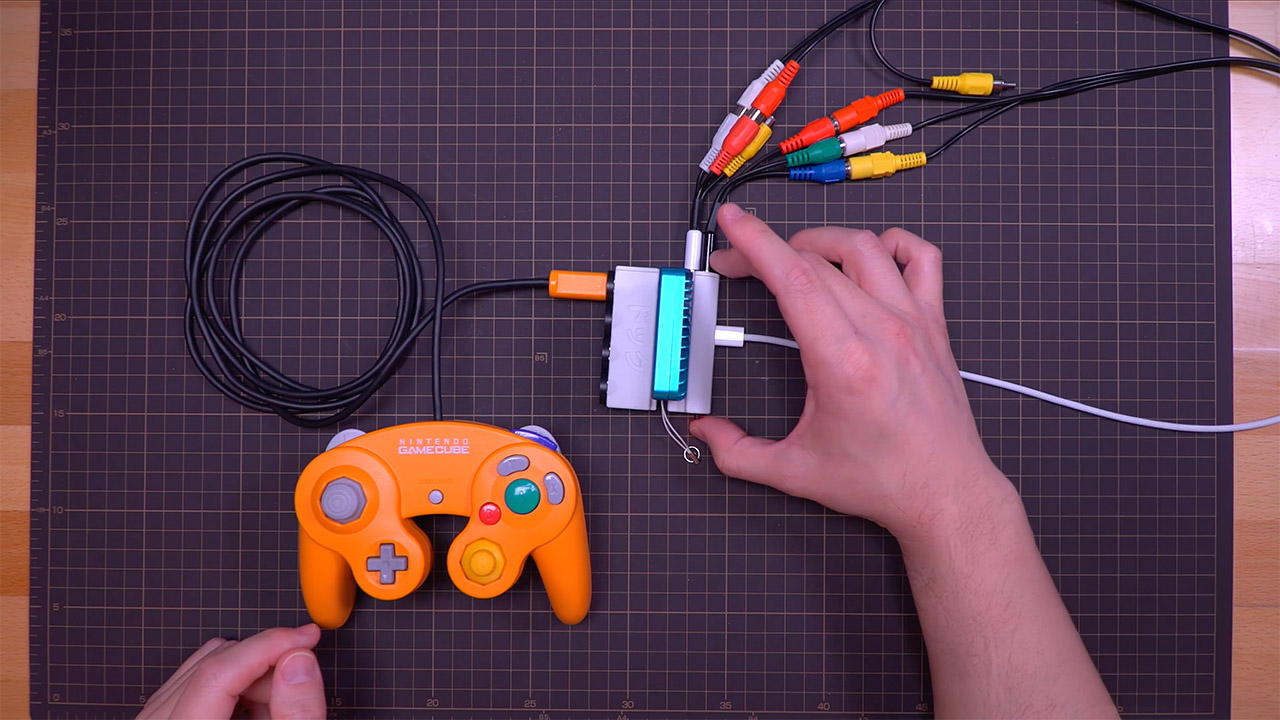
The trimmed board retains the original IBM PowerPC Gekko processor running at 485 MHz and the ATI Flipper GPU, the same chips that powered classics like Super Smash Bros. Melee, The Legend of Zelda: The Wind Waker, and Metroid Prime. Performance is identical to the original console because it is the original console, just in a much smaller body.
To be fair, the build complexity here isn't for beginners. Macho Nacho Productions has the experience and the tools to pull this off, but even skilled modders have reported failed attempts at GameCube trims. The video documentation they provide is excellent, though, and serves as both a showcase and an educational resource for anyone curious about the process.
What I especially like is the attention to aesthetic detail. The miniature housing keeps the GameCube's signature cube shape and even mimics the disc lid design, even though the actual optical drive is gone and games are loaded via an SD card through a GCLoader or similar solution. It looks the part, and that matters.
Why This Resonates With Japanese Gaming Culture
Japan has a long tradition of miniaturising technology and making it both functional and beautiful. The Japanese concept of 拘り (kodawari, obsessive attention to detail; craftsmanship), which roughly means an obsessive attention to detail and craft, runs through everything from 弁当 (bento, lunch box) box preparation to watchmaking to, apparently, GameCube motherboard trimming. This build feels very much in that spirit.

Retro gaming is huge in Japan. 秋葉原 (Akihabara, Akihabara, Tokyo's electronics district) in Tokyo, the famous electronics and gaming district, still has entire floors of shops dedicated to retro consoles and games from the Super Famicom era through to the GameCube generation. Walking through Den Den Town in Osaka gives you a similar vibe. The GameCube has a dedicated fanbase in Japan, partly because several of its best titles, including Pikmin and Animal Crossing, originated there and carried a distinctly Japanese sensibility in their design.
Personally, I think what makes this miniature build so appealing to Japan fans specifically is that it captures that same spirit of making something compact, precise, and a little bit precious. It's the gaming equivalent of a 根付 (netsuke, small carved toggle ornament), those tiny intricately carved Japanese ornaments that look decorative but were originally functional. Small, detailed, and more impressive the closer you look.
Where to Watch the Full Build
The best part is that Macho Nacho Productions documented the entire process on their YouTube channel, so you can follow along with every step. The production quality is high, and the explanations are clear even if you're not a hardware modding expert. It's the kind of video you watch once for the wow factor and then again to actually understand what's happening.
The original coverage that brought this to wider attention appeared on Techeblog, which noted the use of the word kawaii in the project's own description, a nod to how even the creators understood the Japanese cultural resonance of what they built. That's a fun detail.
Insider tip: if you're learning Japanese and want to connect this to your studies, the vocabulary around gaming and technology is genuinely useful. Words like コンパクト (konpakuto, compact) (compact), 技術 (gijutsu, technology; engineering) (technology/engineering), and ショウケイ (shoukei, miniaturisation; scaling down) (miniaturisation or scaling down) come up constantly in Japanese tech journalism and would be worth adding to your vocabulary list.
My verdict is that this miniature GameCube is one of the best examples of retro hardware modding out there right now. It respects the original machine, pushes the limits of what's technically possible, and manages to be genuinely beautiful in the process. Whether you're a retro gaming fan, a Japan enthusiast, or just someone who appreciates extraordinary craft, this project is worth your time.
Check out more Japan news on jpnerd.com for the latest from Japanese gaming and tech culture.
Frequently Asked Questions
Does the miniature GameCube actually play real games?
Yes. It runs on trimmed original GameCube hardware, so it plays real GameCube titles. Games are typically loaded via an SD card solution rather than the original disc drive.
Who made the miniature GameCube?
It was built by Macho Nacho Productions, a YouTube channel specialising in retro hardware modifications and gaming projects.
Can I buy one of these miniature GameCubes?
No, it's a custom one-off build, not a commercial product. The full build process is documented on the Macho Nacho Productions YouTube channel if you want to learn how it was done.