GameCube and the strange shape of Nintendo's 2001 gamble
Ever wondered why the GameCube didn’t become the big winner of its era? I’ve been reading and replaying around this period for years, and the answer keeps coming back to one thing: Nintendo made a console with real strengths, then released it into a market that had already changed shape. By the time the GameCube arrived in 2001, Sony had turned the PlayStation 2 into a cultural event, and Sega had already stopped being Nintendo’s main console rival in the old sense. The battlefield looked different. That mattered more than Nintendo fans like to admit.
![Dragon Ball Z: Kakarot [Master Edition]](https://s.pacn.ws/1/p/1eh/dragon-ball-z-kakarot-master-edition-908785.1.jpg?v=t8ja8t&width=400)
![Startup Company [Console Edition] (Limited Edition)](https://s.pacn.ws/1/p/157/startup-company-console-edition-limited-edition-741799.16.jpg?v=ry4mm8&width=400)
![Startup Company [Console Edition]](https://s.pacn.ws/1/p/157/startup-company-console-edition-741779.10.jpg?v=ry4ngq&width=400)
The GameCube itself wasn’t a failure in the simple sense. Nintendo sold about 21.7 million units worldwide, according to the usual industry totals. That isn’t small. It’s just small compared with the PlayStation 2, which sold more than 155 million. And yes, that gap is brutal. But the truth is a bit more complicated: the GameCube had a clear identity, and that identity wasn’t built for the market Sony had created by 2001.
Nintendo GameCube versus Sony and Sega: a market that moved on
Back in the 8-bit and 16-bit days, Nintendo fought Sega directly. That was the classic rivalry. Nintendo Entertainment System versus Sega Master System, then Super Nintendo versus Mega Drive. Clean lines. Easy to explain. By the early 2000s, though, Sega had effectively left the hardware race after the Dreamcast. The last Dreamcast units launched in 1998 in Japan and 1999 in the West, and Sega exited the console business in 2001. Nintendo was still a hardware company. Sega was becoming a software and arcade name again. The real pressure came from Sony.
Sony changed the rules with the original PlayStation in 1994 in Japan and 1995 in Europe and North America. It was a machine that felt adult, fashionable, and technically modern. Then the PlayStation 2 arrived in 2000, with DVD playback built in. That feature sounds normal now. It wasn’t normal then. A PS2 was a game machine, a movie player, and a household purchase that parents could justify. Nintendo, meanwhile, brought out the GameCube as a compact, purple lunchbox of a machine. Charming, but not exactly the same pitch.
While we’re at it, Nintendo also had a branding problem. The company was still strongly associated with younger players and family-friendly mascots. That wasn’t a weakness in itself. Mario, Zelda, and Pokemon were enormous. But Sony had built a reputation for the cool middle ground, and Microsoft entered the scene in 2001 with the Xbox, adding yet another high-end competitor. Nintendo was now fighting on three fronts, and only one of them was the old Sega-Nintendo duel. That’s a very different problem.
Why the GameCube lost ground
Seriously though, the GameCube had several concrete disadvantages. First, it used tiny proprietary mini-discs instead of standard DVDs. The discs held about 1.5 GB, far less than a PS2 DVD. That meant fewer movie features, less flexibility, and awkward limits for larger games. Third-party publishers noticed. Developers also noticed. When a platform feels slightly smaller and slightly more closed, support tends to drift elsewhere. That part isn’t glamorous. It’s just business.
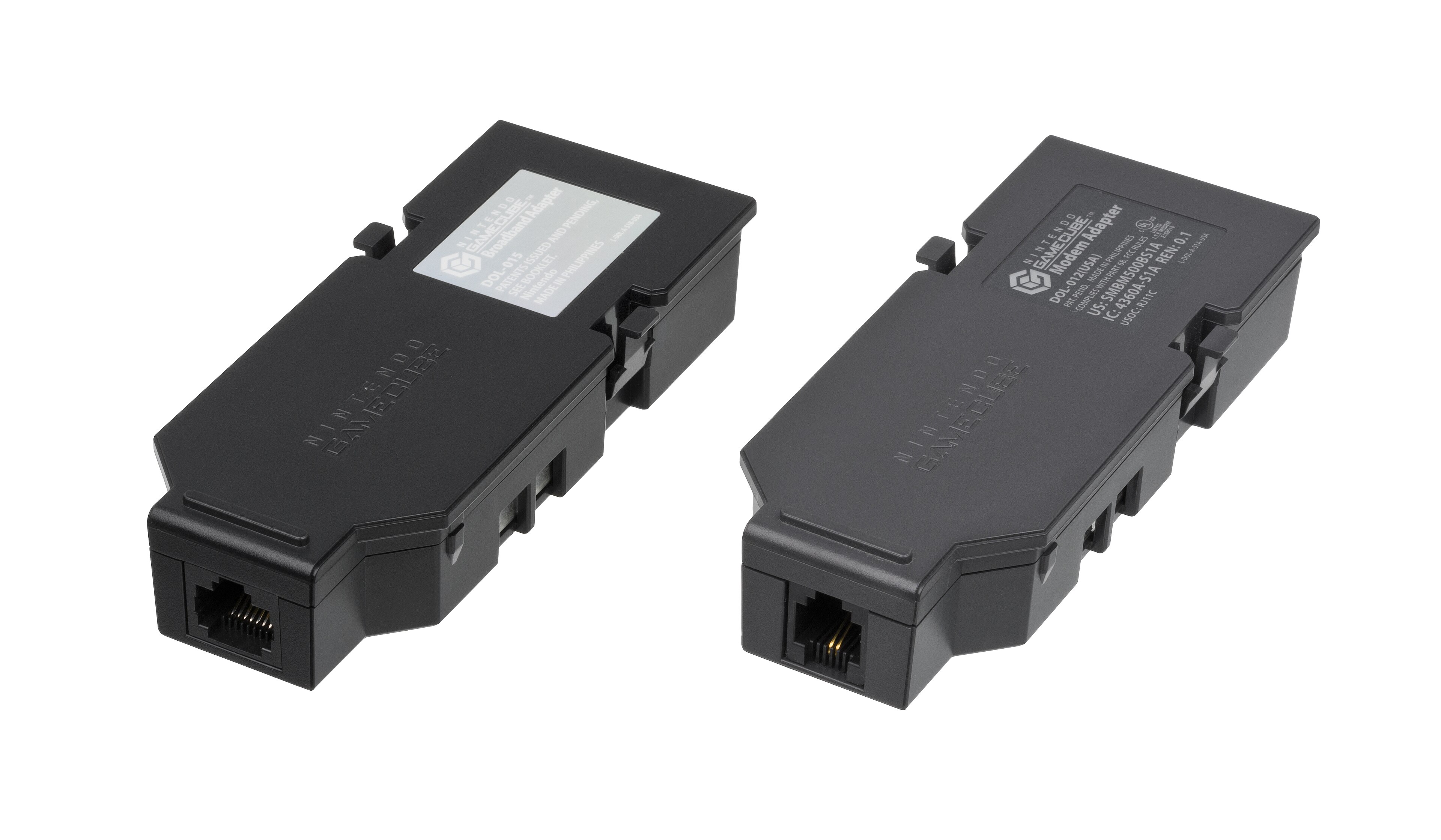
Second, Nintendo’s online strategy was weak. The company had experience with local multiplayer, not with the broad networked future that was starting to form. The GameCube did support broadband with the right adapter, but the ecosystem was thin. Compare that with what Sony would later build around online services, and you can see the gap. Not a disaster on day one, but definitely a warning sign.
A great example: the software library
The GameCube had excellent games. That’s worth saying plainly. The Legend of Zelda: The Wind Waker, Metroid Prime, Super Smash Bros. Melee, Pikmin, Mario Kart: Double Dash!!. Strong list. Highly recommended: if you care about Nintendo history, that line-up alone makes the console worth studying. But here’s the thing: a strong first-party library doesn’t always solve a market-positioning problem. The PS2 had a huge third-party catalogue, broad genre coverage, and the DVD bonus. The GameCube had polish. Sony had scale. That was the difference.
Pro tip: if you want to understand the GameCube’s image problem, look at its shape. Nintendo leaned into playful design and bright colours. Some players loved it. Others saw a toy. Perception matters, especially in console wars. This is where the marketing story becomes as important as the hardware story. The GameCube was easier to carry than a PS2, and much easier to recognise on a shelf. Nice. But it didn’t look like the future in the same way.
Why fans still care about GameCube today
No joke, the GameCube has aged better than its sales charts suggest. It became a collector favourite, and many of its games now sit near the top of Nintendo’s legacy discussions. That happens for a reason: the machine had a clean interface, fast load times compared with some rivals, and first-party software that still feels tight. If you are learning Japanese, it’s also a good console for vocabulary hunting. Game names, character titles, and menus give you useful words like バス (basu, bus), プレイ (purei, play), and ステージ (sutage, stage). Not a language course, obviously. But it helps your eye get used to the patterns.
The first time I went to Japan, I noticed how often older Nintendo hardware still came up in retro game shops in Akihabara and Osaka’s Den Den Town. GameCube cubes, boxed titles, memory cards, the whole lot. People remembered the machine fondly, but also as a turning point. Nintendo learned that being Nintendo wasn’t enough on its own. You needed price, timing, media formats, online plans, and a market story that made sense to adults with limited time and money. That’s the real lesson here.
And yes, the GameCube didn’t exactly collapse. It simply lost a generation that Sony had already won, while Sega stepped out of the hardware contest and Microsoft entered with fresh money and fresh expectations. Nintendo kept its core identity, and that saved the company in the long run. But in 2001, that identity wasn’t enough to dominate. See what I mean?
Frequently Asked Questions
Was the GameCube a commercial failure?
Not entirely. It sold about 21.7 million units, which is solid, but far behind the PlayStation 2.
Why did Sony beat Nintendo in that generation?
Sony had stronger third-party support, DVD playback, and a broader market image. That combination was hard to beat.
Did Sega compete with the GameCube?
Not really. Sega had already exited the console business by 2001, so the main competition came from Sony and Microsoft.