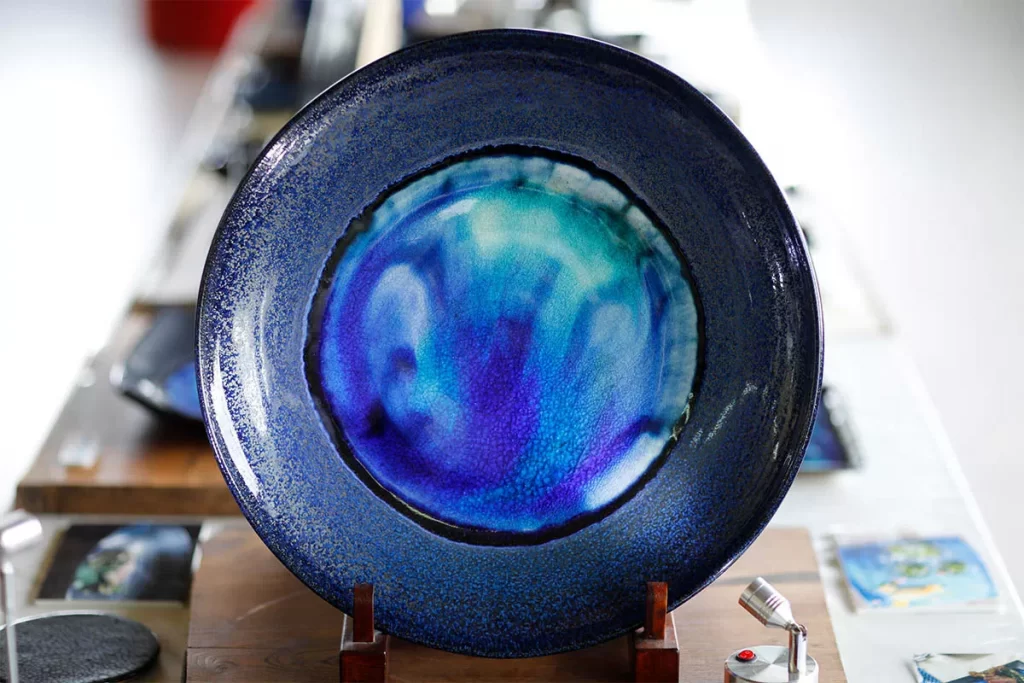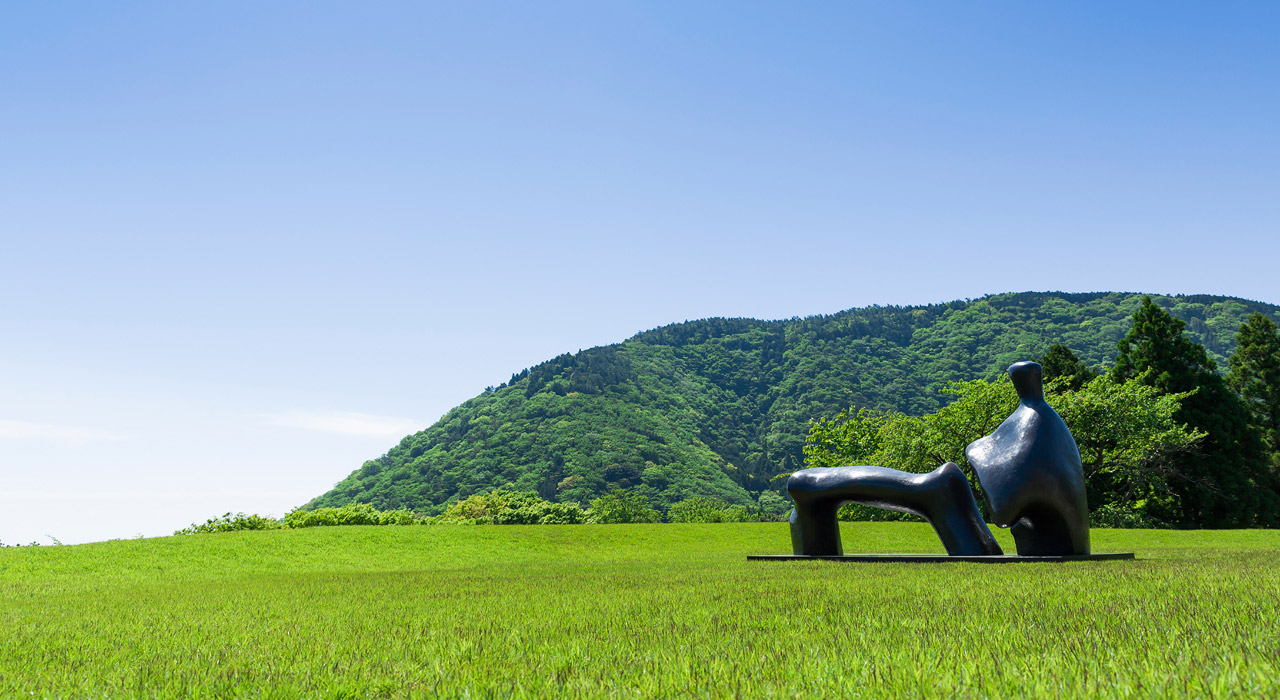
Growing up in green tea fields beneath Mount Fuji
Did you know that the slopes of Mount Fuji, especially in 静岡 (Shizuoka, Shizuoka Prefecture) prefecture, are famous for 煎茶 (sencha, loose-leaf green tea) and high-grade 抹茶 (matcha, powdered green tea) production? As a child, Kenta Takahashi worked alongside family and neighbours during harvest, learning about timing, humidity and how even a small change alters flavour. Compared to back home in Canada, those early lessons in tea farming are almost like basic training in taste control, and they still shape his approach to ingredients today. I still remember exactly how people in tea country talk about the soil, the sun and how a single rain can change a season's harvest, and Kenta heard all of that growing up. See what I mean?
Kenta Takahashi arrives in Vancouver's oyster scene
Question: How does someone raised among tea fields end up at an oyster bar in Vancouver? That's why Kenta's path matters. He brought classic Japanese pastry technique to a bustling seafood-focused restaurant in Vancouver, combining delicate sweets with the salt-sweet world of oysters. Take his timing, for instance. Pastry requires precision in temperature and hydration, while oyster service demands exact timing for shucking and dressings. That brings us to the core of his work, where pastry and seafood meet on the same plate.
Local reputation and critical attention
Unlike what we're used to in feel-good profiles, critics noticed him quickly. Local food coverage singled him out for creating visually arresting desserts that still respect the flavours of seafood service, and Vancouver Is Awesome wrote a feature detailing his arrival. That's why diners come in expecting both technical finesse and restraint. Sounds good, right?
Japanese precision in pastry and plate
It's early morning in Kyoto. Imagine that calm precision, then transplant it to a busy Vancouver kitchen at dinner service. Basically, Kenta applies the same attention to small details whether he's steeping matcha or finishing a tart glaze. My tip: watch how he balances acidity and sweetness. A single brush of 柚子 (yuzu, Japanese citron) or a whisper of matcha can lift a dessert without stealing the spotlight from oysters. Highly recommended:
He also uses technique names familiar to pastry chefs, like tempering chocolate and lamination, but his source of discipline is very Japanese, rooted in おもてなし (omotenashi, hospitality) and clean presentation. On the flip side, the restaurant scene forces compromise. You have to move quickly, and that pressure reshapes the slow, contemplative practice he learned in tea country. Wait, there's more.
Pairing sweets with sea
Compared to classic dessert menus, the combinations here are unexpected. Kenta has experimented with lightly sweetened matcha creams alongside citrusy ポン酢 (ponzu, citrus soy sauce) reductions on the savoury side, and he times a citrus gel so its acidity refreshes the palate between oyster bites. Before I forget, he often credits his tea upbringing when asked about restraint and how little sugar is sometimes the most powerful choice.
What this means for Japan learners and fans
Direct address: If you study Japanese or follow food culture, Kenta's journey is a living example of how regional food identity travels. You can connect vocabulary to practice, like matcha for powdered green tea, sencha for loose-leaf, and omotenashi for hospitality. Take cultural lessons, for instance: Shizuoka's tea traditions teach patience, and you'll find that same patience in careful mise en place at the oyster bar.
My opinion: If you want to understand why Japanese-trained chefs get so much attention abroad, watch how they treat ingredients. Simple items like green tea leaves become a measure of respect for technique and seasonality. Simply brilliant.
Before I forget, if you visit Vancouver, try pairing a light matcha dessert with a crisp local oyster, and notice how the flavours interact. Not bad, right?
Frequently Asked Questions
Who is Kenta Takahashi?
Kenta Takahashi is a pastry chef from the green tea region near Mount Fuji who currently works at a well-known oyster bar in Vancouver.
What is the connection between tea fields and pastry?
Growing up in tea fields teaches sensitivity to seasonality and taste, skills that transfer directly to precise pastry work.
Where can I read more?
Check local Vancouver food coverage and the original profile on Vancouver Is Awesome linked below.